


Govt likely to delay RON95 subsidy changes despite oil market risks, says PMO economist
Nurhisham Hussein, the senior director of economy and finance at the Prime Minister’s Office, noted that petrol remains a “politically sensitive” issue due to its direct impact on consumers.
“Even if there were to be any adjustment...
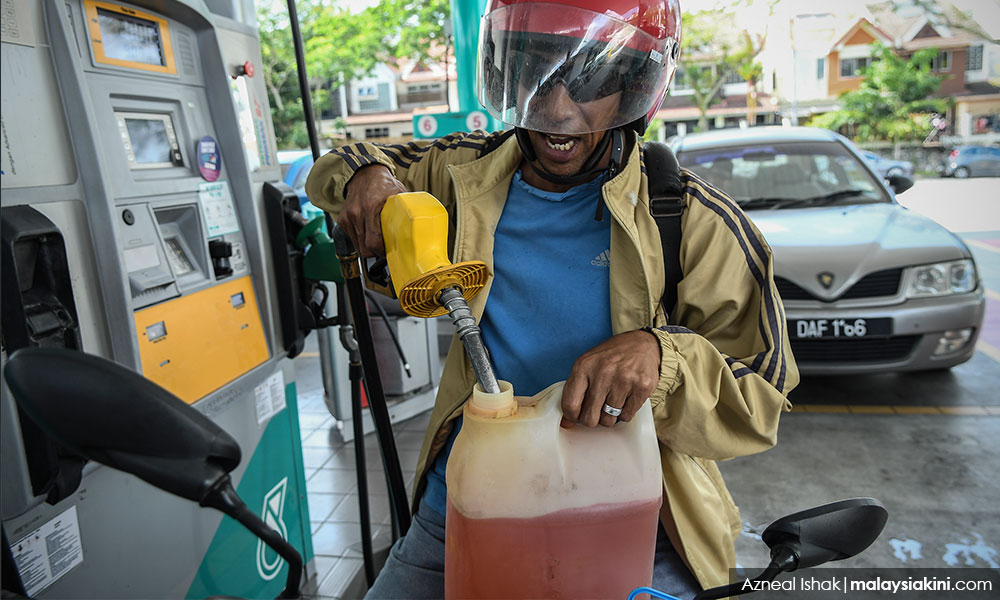
The government is likely to postpone any adjustments to RON95 fuel subsidies for as long as possible despite concerns over rising global oil prices and potential supply constraints in the coming months, according to a senior government official.
Nurhisham Hussein, the senior director of economy and finance at the Prime Minister’s Office, noted that petrol remains a “politically sensitive” issue due to its direct impact on consumers.
“Even if there were to be any adjustment to petrol subsidies, they would try to push it back later.
“That’s going to be one of the last options,” Nurhisham said as a guest on the Keluar Sekejap podcast.
Responding to host Khairy Jamaluddin, Nurhisham warned that current oil market conditions may be masking underlying supply issues, with analysts expecting a more challenging environment in the second half of the year.
He said the market has been calmed by reduced imports from China and the release of strategic petroleum reserves by major economies.
However, he cautioned that such measures could not continue indefinitely.
“At some point, you cannot release reserves. At some point, China will start importing again.
“At some point, you have to rebuild your strategic reserves.
“The physical shortage is still there,” he said.
Prices might still rise
According to Nurhisham, some industry experts have projected that July and August could become “very uncomfortable” as countries begin replenishing depleted reserves, potentially putting upward pressure on prices.
He added that crude oil prices around US$100 per barrel were closer to the commodity’s “real value”, even under a best-case scenario.
Despite those concerns, he noted that RON95 prices had eased in the short term, but stressed there were no guarantees that prices would remain stable through September.
Responding to questions on the government’s policy options should oil prices rise sharply, Nurhisham said there were numerous mechanisms available besides revising RON95 subsidies.
These include tightening existing diesel subsidy programmes, particularly the Subsidised Diesel Control System (SDCS).
He said the government recently announced the expansion of SDCS coverage to include jeeps and pickup trucks in Peninsular Malaysia, Sabah, and Sarawak, while simultaneously rationalising quota allocations under the scheme.

He also agreed with Khairy’s suggestion that the original SDCS allocations for the logistics sector may have been “overly generous” when the programme was introduced.
“We gave too much. Now we are actually tightening it,” he said.
The move, he added, could generate savings after authorities accumulated two years of operational data on fuel consumption patterns.
“We have enough data for two years.
“That’s going to be one option. Then we’ll look at further options on diesel going down,” he said.
Previously, Nurhisham predicted that manufacturing jobs would take a hit next month once raw material supplies run low. In contrast, fuel shortages are expected to last until the end of the year, if not 2027.


Report this comment
Are you sure you want to delete this comment?
This action cannot be undone.