


/file/publisher-c1a3f893382d2b2f8a9aa22a654d9c97/2026/07/bddcef80567af28f9f4756f25d722e6d.png)

MCMC Act amendments approved despite bipartisan calls for stronger checks
PARLIAMENT | The bill to amend the MCMC Act 1998 was passed in the Dewan Rakyat today via a voice vote.
Deputy Communications Minister Teo Nie Ching tabled the bill for its second and third readings today, after which it was immediately put to a vote.
“Reform takes time...
PARLIAMENT | The bill to amend the MCMC Act 1998 was passed in the Dewan Rakyat today via a voice vote.
Deputy Communications Minister Teo Nie Ching tabled the bill for its second and third readings today, after which it was immediately put to a vote.
“Reform takes time,” Teo (above) asserted when an argument broke out with Shahidan Kassim (PN-Arau) during her winding-up speech.
“It’s not perfect, I agree, but is this not an improvement?”
During the debates, lawmakers across the political spectrum expressed concerns about the scope of powers granted to the communications minister, the increased value of contracts the MCMC may approve without the minister’s green light, and the appointment process for the commission’s chairperson.
Commission still beholden to minister
For instance, Lim Lip Eng (Harapan-Kepong) argued that the bill significantly expanded the MCMC’s powers but did not include sufficient safeguards to ensure its independence and accountability.
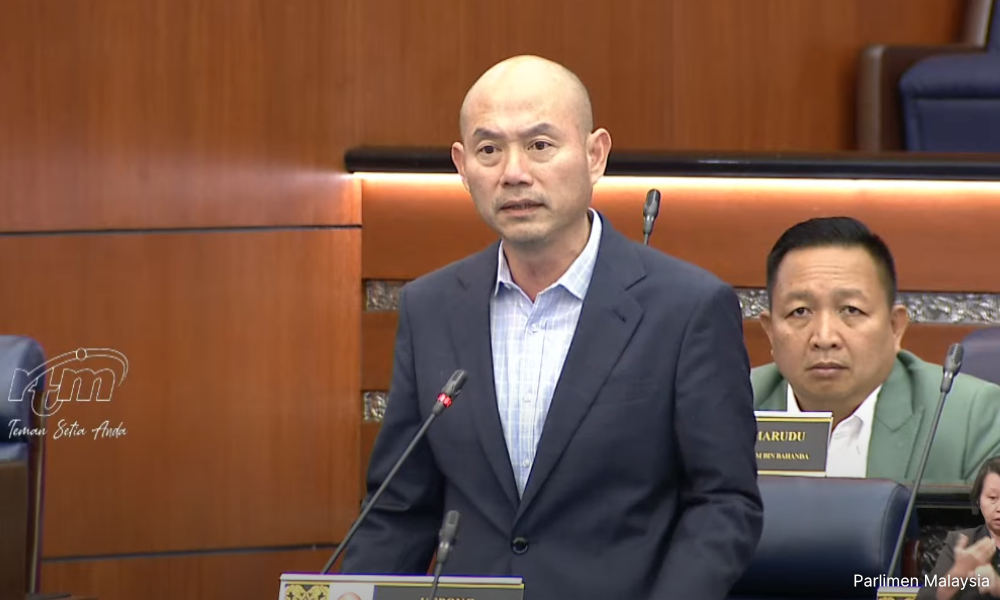
He pointed to provisions which allow the communications minister to appoint and dismiss commission members without having to provide reasons, saying this undermines the commission’s independence.
“This means the party that appoints, gives instructions, and can dismiss (staff) without reason still controls the regulator,” he said.
Lim also argued that the roles of MCMC chairperson and chief executive officer should be separated, with appointments made through an independent process.
‘MCMC will continue to be a weapon’
Similarly, PAS information chief Ahmad Fadhli Shari (PN-Pasir Mas) described the appointment of the MCMC chairperson as another political appointment and questioned the opaque selection process.
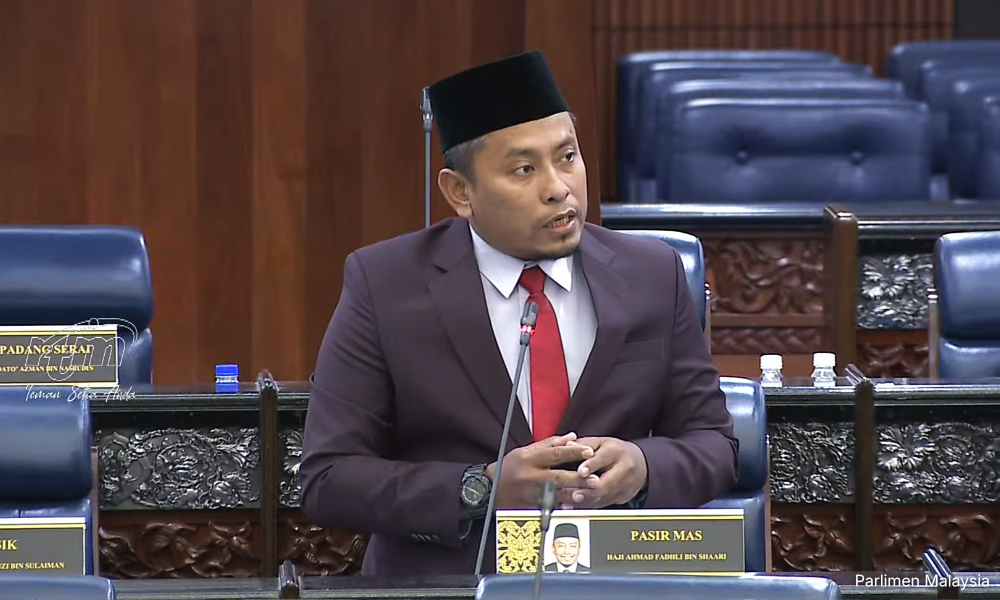
“The government says that MCMC will be more independent. I would like to ask the minister: what exactly has changed?
“Did the minister lose the power to appoint (the chairperson)? No. Was Parliament given the power to review the proposed candidates? No.
“Were citizens given the opportunity to know the process of selecting candidates? Also no. So what reforms were actually put in place?” he said.
Without an independent selection process, Fadhli pointed out that the MCMC will continue to be a weapon in any government’s hands, giving rise to allegations of double standards and political persecution.
‘Cosmetic’ reforms
Likewise, Azahari Hasan (PN-Padang Renggas) called for appointments and high-value contracts to be subject to mandatory scrutiny by a parliamentary select committee, saying such oversight should be included in the bill’s checks and balances.
Meanwhile, Fadhli further stressed that the MCMC already wields extensive powers and said any expansion of its authority should be accompanied by greater transparency.

Additionally, he, along with Dr Halimah Ali (PN-Kapar) and Isnaraissah Munirah Majilis (Warisan-Kota Belud), condemned the bill as a mere “cosmetic” reform.
Halimah had also highlighted her demand for the minister to explain the tenfold jump in the contract limit, indicating her firm disapproval of the suggested clause except in reasonable circumstances.
Communications Minister Fahmi Fadzil tabled the bill for its first reading on Monday (July 13).
Since its inception, the MCMC has faced criticism over its perceived lack of independence, with critics arguing that this has fuelled perceptions that the regulator acts at the government’s behest, particularly in matters involving political rivals.
/file/publisher-c1a3f893382d2b2f8a9aa22a654d9c97/2026/02/a0cba1c477d5118d0197bd2a4c0e5ca6.jpg)
/file/publisher-c1a3f893382d2b2f8a9aa22a654d9c97/2026/06/17625cf0455b674e7dd03bb9ba22a473.jpg)
/file/publisher-c1a3f893382d2b2f8a9aa22a654d9c97/2022/12/6deb9bfd41788558fb0447898a7e532d.jpg)
/file/publisher-c1a3f893382d2b2f8a9aa22a654d9c97/2023/02/0ac8eef10712ce382c67464c2786a7ab.jpg)
/file/publisher-c1a3f893382d2b2f8a9aa22a654d9c97/2023/09/2eb9fc3636d1794b3c0e7cc346698ce9.jpg)
/file/publisher-c1a3f893382d2b2f8a9aa22a654d9c97/2026/05/0554e73c91b2a7fde1d13912d371df6d.jpg)


Report this comment
Are you sure you want to delete this comment?
This action cannot be undone.