



Govt says AI won't replace teachers, but it is making sure netizens behave
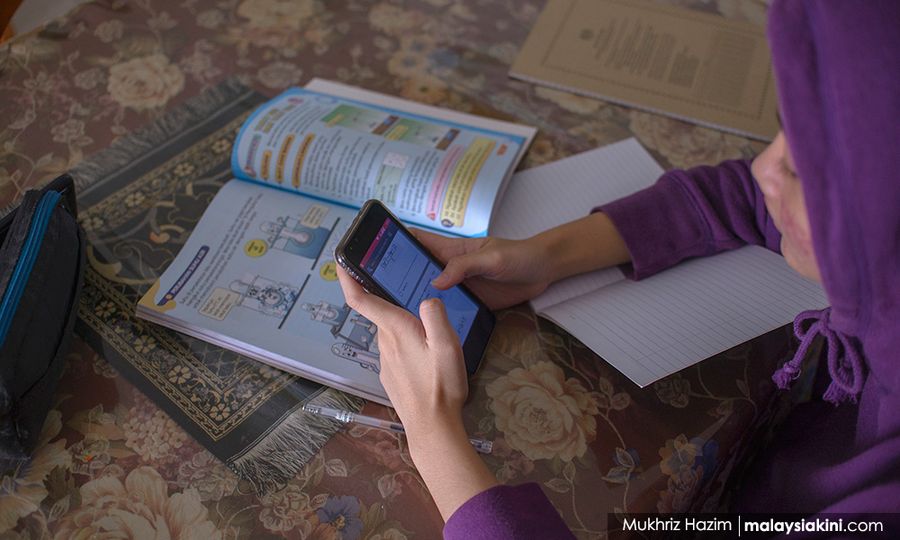
PARLIAMENT | As lawmakers and the public seek details on how the government is adopting artificial intelligence (AI) across public services, the Education Ministry has assured that the technology will not replace teachers, while the National Unity Ministry has highlighted its use to crack down on online offences.
Addressing the Dewan Rakyat today, National Unity Minister Aaron Ago Dagang said AI technology has been leveraged for the early detection of issues that could potentially affect harmony among the nation’s races.
The approach, he said, includes...
PARLIAMENT | As lawmakers and the public seek details on how the government is adopting artificial intelligence (AI) across public services, the Education Ministry has assured that the technology will not replace teachers, while the National Unity Ministry has highlighted its use to crack down on online offences.
Addressing the Dewan Rakyat today, National Unity Minister Aaron Ago Dagang said AI technology has been leveraged for the early detection of issues that could potentially affect harmony among the nation’s races.
The approach, he said, includes monitoring, filtering, and detecting sensitive content related to royalty, religion, and race (3R) matters, to prevent such comments from inciting tensions among the rakyat.
Noting MCMC’s use of AI to analyse sentiments and monitor trends on social media, Aaron said the technology is also utilised to detect digitally manipulated content with the potential to spread false information or spark discord.
The National Unity Ministry, he added, is constantly stepping up online unity campaigns to instil values of harmony, mutual respect, and togetherness among the public, with the ministry also employing social media influencers to spread such values.
READ MORE: When primary school pupils shun 'pork-eating' and 'cross-wearing' classmates
The minister said this in response to a question from V Sivakumar (Harapan-Batu Gajah), who had sought details on the measures taken by the National Unity Ministry in utilising AI to detect issues that could affect racial harmony, and to spread unity messages through digital platforms, particularly to the younger generation.

What safeguards are in place?
Education Minister Fadhlina Sidek was later also faced with a similar query from Nazri Abu Hassan (PN-Merbok), who questioned the ministry’s plans to integrate AI literacy into school syllabuses.
Syerleena Abdul Rashid (Harapan-Bukit Bendera) also asked Fadhlina to detail how the ministry intends to prevent the decline of moral values among AI-literate students.
In particular, the DAP MP highlighted a previous case where more than 300 female students at a secondary school in Seremban, Negeri Sembilan had their faces allegedly superimposed onto nude images using AI.
READ MORE: AI deepfakes, extremist recruitment: PAS MP sounds alarm over threats to children
Teacher, parent guidance still vital
In her responses, Fadhlina emphasised that while AI may be able to help students complete assignments, teachers and parents still play a role, particularly when children face interpersonal issues.
“Human care, love, and judgment cannot be handed over to machines,” the minister said, stressing that in terms of AI integration in schools, there is “no way” the technology can take over teachers’ core duties.

Fadhlina further referenced the Education Ministry’s AI Literacy Guidelines, which she said have been in effect since May 8, noting that the guidelines affirm that parents, teachers, and even children themselves bear responsibility in ensuring the safe use of AI.
“We cannot let children be left behind in the world of AI, but we also do not want technological advancement to make them increasingly reliant on the internet and think less.
“Technology will continue to change, but the responsibility of education does not change - we must ensure children know how to think, hold on to human values, and care for others,” she added.
She also said that the training platform for teachers and students on AI, Delima 3.0, is controlled by the ministry, thus ensuring that proper ethics are maintained throughout the learning process.




Unity Ministry can use AI to detect activities that endangers unity in this country. But, does it have the authority to take actions against those involved? Political considerations by 'those above them' will make sure that nothing changes! We can have lots of reports with NFA signs stuck on them!
We cannot shut AI out of our children’s lives. They are growing up with it, so we need to teach them how to use it responsibly. That means checking facts, thinking for themselves and understanding that using AI to humiliate or harm someone is unacceptable. I agree with the minister. Teachers and parents still have a vital role. Knowing how to use the technology means very little if children are not also taught to respect others.
Report this comment
Are you sure you want to delete this comment?
This action cannot be undone.