



Sabah MP urges action plan over unpaid hospital bills among refugees, undocumented migrants
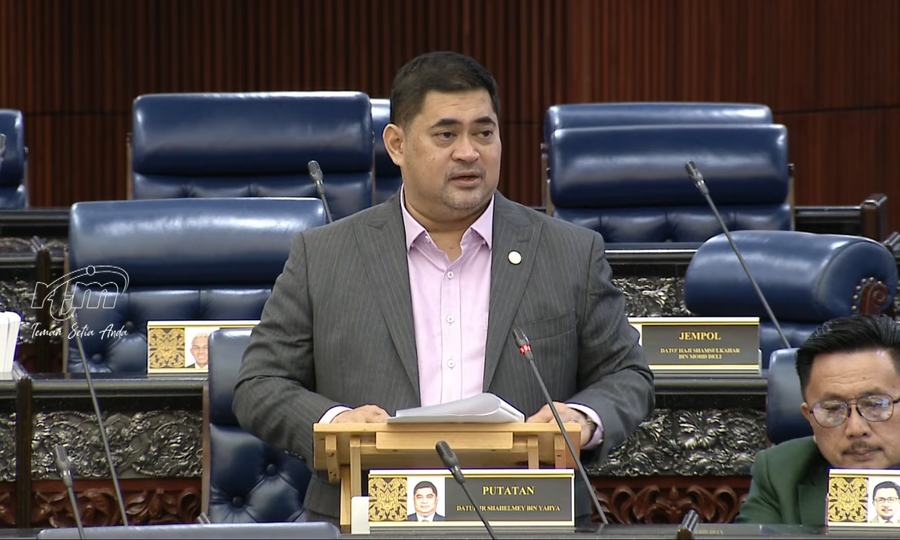
PARLIAMENT | Health Ministry must prepare an action plan to ensure that the issue of unpaid healthcare bills among refugees and undocumented migrants does not drag on, said Shahelmey Yahya (BN-Putatan).
He cited a report by the special select committee on Human Rights, Election and Institutional Reform regarding the management of refugees in Malaysia, which found that the unpaid hospital bills reached RM1.06 million last year, with Sabah recording the highest amount of arrears.
However, the report, published on the Parliament website in July, did not...
PARLIAMENT | Health Ministry must prepare an action plan to ensure that the issue of unpaid healthcare bills among refugees and undocumented migrants does not drag on, said Shahelmey Yahya (BN-Putatan).
He cited a report by the special select committee on Human Rights, Election and Institutional Reform regarding the management of refugees in Malaysia, which found that the unpaid hospital bills reached RM1.06 million last year, with Sabah recording the highest amount of arrears.
However, the report, published on the Parliament website in July, did not provide a specific breakdown for Sabah.
According to Shahelmy, this situation gives the impression that refugees in the country are taking advantage of the government's openness and receiving preferential treatment compared to locals.
"If this scenario is not handled properly, operating expenditure for the public health sector will have to be increased every year merely to cover unexpected costs from healthcare services provided to refugees," said the Sabah lawmaker while debating Budget 2027 for the Health Ministry in Dewan Rakyat today.

He added that public healthcare services in Sabah will become even more critical when the ministry has to also attend to refugees and undocumented immigrants.
He explained that the increase in the ministry's annual expenditure should instead be focused on strengthening the quality of healthcare services for locals, particularly in Sabah.
Therefore, he urged the Health Ministry to provide a detailed explanation regarding this issue.
Data centres and mental health
In another matter, Halimah Ali (PAS-Kapar), who also participated in the committee-stage debate for the Health Ministry, urged that mental health be given attention amid the government's enthusiasm for developing artificial intelligence data centres.
She said Malaysia is racing to build data centres with billions of ringgit in investments in digital infrastructure, artificial intelligence, and future technologies.
"These data centres represent artificial intelligence, while our brains represent natural intelligence, human intelligence.
"So, I ask, in our eagerness to build information centres to process digital information, to what extent are we investing in understanding, protecting, and treating the most complex human information processing centre, which is our own brain, neurology," she said.


So let the refugees die is it?
Report this comment
Are you sure you want to delete this comment?
This action cannot be undone.