




Lim: Who says we're buying new cars?
The Pakatan Rakyat Penang government is not buying ‘cheaper’ foreign cars to replace its current official Proton Perdana V6 fleet.
The Pakatan Rakyat Penang government is not buying ‘cheaper’ foreign cars to replace its current official Proton Perdana V6 fleet.
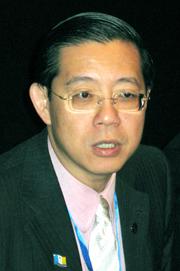 "When did I say that Penang government would buy new cars?" a bemused Chief Minister Lim Guan Eng asked at a press conference in his office in George Town today.
He was baffled by recent news reports quoting state Barisan Nasional (BN) leaders who were critical of the state government for ‘wasting public funds’.
Lim recalled that one of his earliest decisions was to cancel the purchase of new Proton Perdana cars worth more than RM600,000 that had been ordered by the previous BN state administration.
"When we had cancelled a previous order to cut costs, how could we plan to buy new (cars)?" he said.
Lim clarified that he had only stated on Monday that the state would emulate its Pakatan counterparts in Perak by buying cheaper foreign cars “if at all it wants to change the official cars”.
"However, this does not mean Penang is also going to buy new cars," he said.
The Perak government has announced that it will replace its fleet of Proton Perdanas with Toyota Camry cars, due to the high maintenance cost of the national car.
TNB's reluctance queried
Asked to comment on the further reduction of fuel prices, by 10 sen per litre effective today, Lim said the federal government should have lowered the prices by 48 percent based on the global price.
"By right, the price of petrol should be RM1.42 not RM1.80," Lim said.
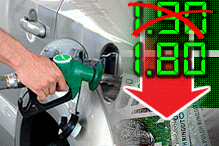 The price of RON97 petrol has been reduced from RM1.90 per litre to RM1.80, while the cost of RON92 and diesel will drop from RM1.80 per litre to RM1.70.
This is the seventh time the price of petrol and diesel has come down since August.
Lim also called on national power supplier Tenaga Nasional Bhd (TNB) to reduce its electricity tariff in tandem with lower global gas and coal prices. These are the main sources of energy used by TNB to generate power.
He ticked off the company for being willing to pay RM4 billion per year to independent power producers, but showing reluctance to reduce financial burden of ordinary consumers.


