



UN climate change report sounds 'code red for humanity'
The UN climate panel sounded a dire warning Monday, saying the world is dangerously close to runaway warming - and that humans are "unequivocally" to blame.
Already, greenhouse gas levels in the atmosphere are high enough to guarantee climate disruption for decades if not centuries, scientists warn in a report from the Intergovernmental Panel on Climate Change (IPCC).
That’s on top of the deadly...
Global warming is dangerously close to spiralling out of control, a UN climate panel said in a landmark report Monday, warning the world is already certain to face further climate disruptions for decades, if not centuries, to come.
Humans are "unequivocally" to blame, the report from the scientists of the Intergovernmental Panel on Climate Change (IPCC) said. Rapid action to cut greenhouse gas emissions could limit some impacts, but others are now locked in.
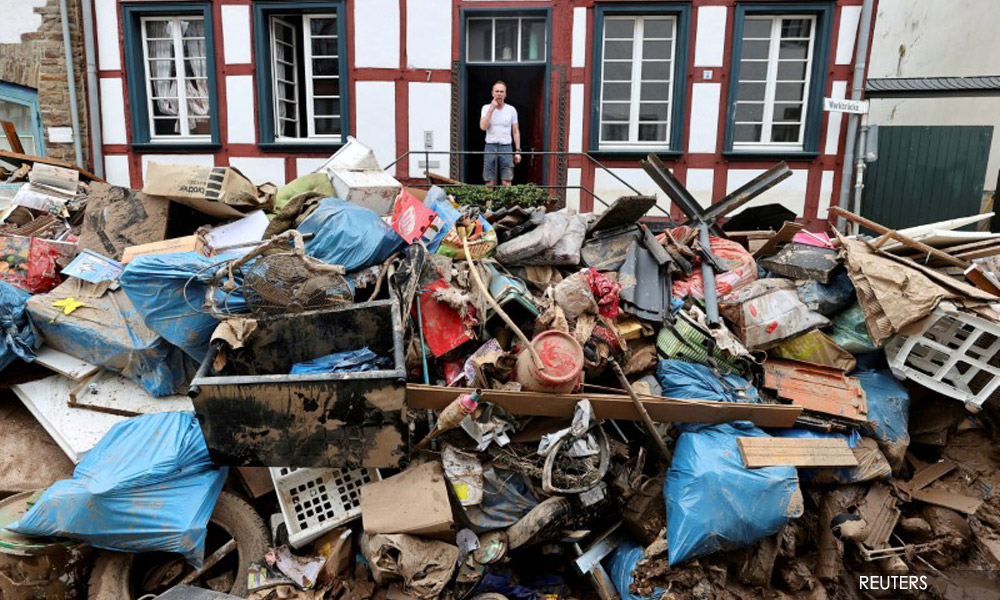
The deadly heat waves, gargantuan hurricanes and other weather extremes that are already happening will only become more severe.
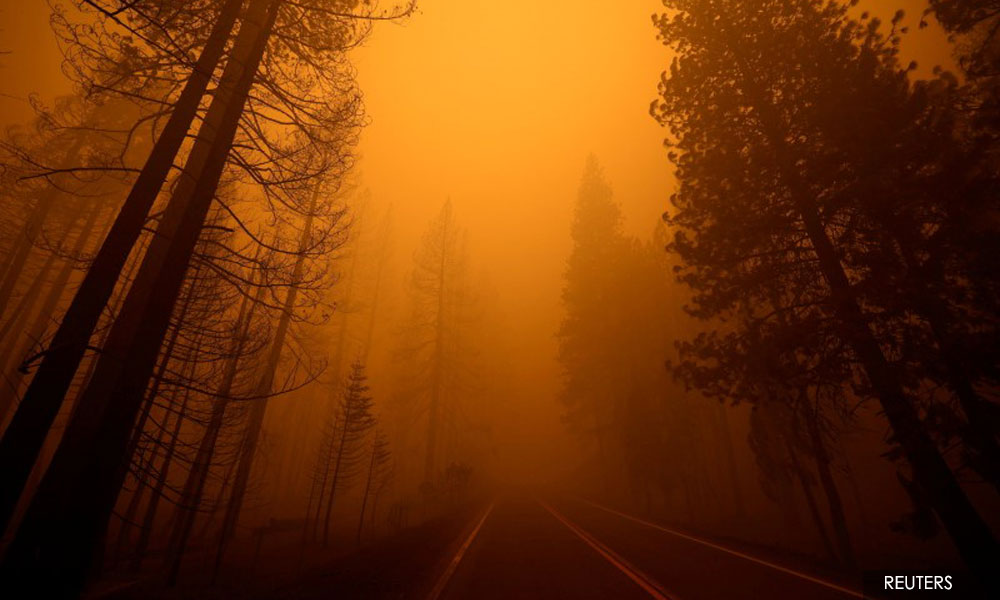
Monday alone saw 500,000 acres of forest burning in California, while in Venice tourists waded through ankle-deep water in St Mark's Square.
UN Secretary-General António Guterres described the report as a "code red for humanity".
"The alarm bells are deafening," he said in a statement. "This report must sound a death knell for coal and fossil fuels, before they destroy our planet."
In an interview with Reuters, activist Greta Thunberg called on the public and media to put "massive" pressure on governments to act.
In three months, the UN COP26 climate conference in Glasgow, Scotland, will try to wring much more ambitious climate action out of the nations of the world, and the money to go with it.
Drawing on more than 14,000 scientific studies, the IPCC report gives the most comprehensive and detailed picture yet of how climate change is altering the natural world - and what could still be ahead.
Unless immediate, rapid and large-scale action is taken to reduce emissions, the report says, the average global temperature is likely to reach or cross the 1.5-degree Celsius (2.7 degrees Fahrenheit) warming threshold within 20 years.
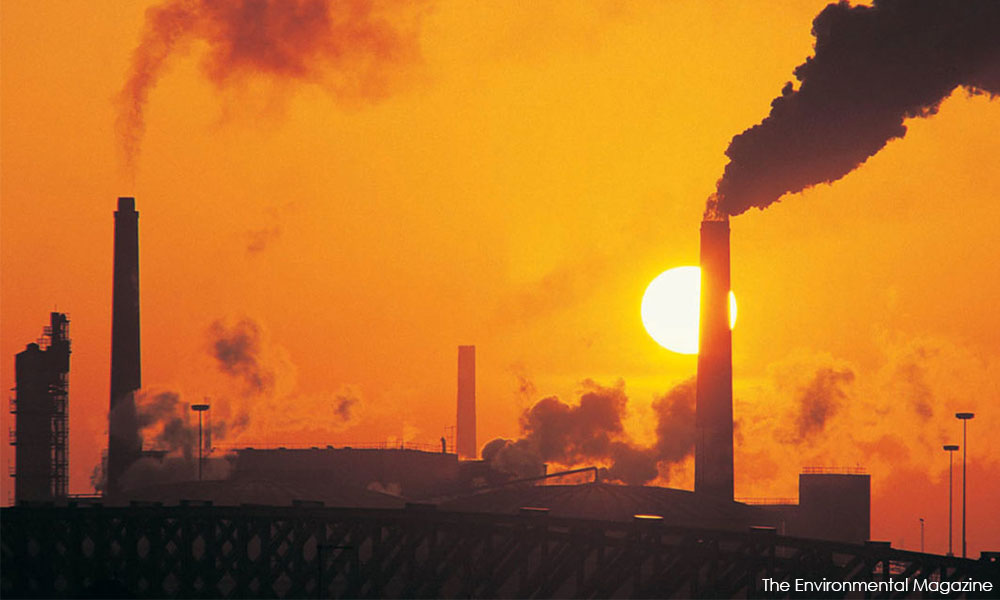
The pledges to cut emissions made so far are nowhere near enough to start reducing the level of greenhouse gases - mostly carbon dioxide (CO2) from burning fossil fuels - accumulated in the atmosphere.
'Wake-up call'
Governments and campaigners reacted to the findings with alarm.
British Prime Minister Boris Johnson said he hoped the report would be "a wake-up call for the world to take action now, before we meet in Glasgow".
US President Joe Biden tweeted Monday: "We can’t wait to tackle the climate crisis. The signs are unmistakable. The science is undeniable. And the cost of inaction keeps mounting."
The report says emissions "unequivocally caused by human activities" have already pushed the average global temperature up 1.1°C from its pre-industrial average - and would have raised it 0.5°C further without the tempering effect of pollution in the atmosphere.
That means that, even as societies move away from fossil fuels, temperatures will be pushed up again by the loss of the airborne pollutants that come with them and currently reflect away some of the sun's heat.
A rise of 1.5°C is generally seen as the most that humanity could cope with without suffering widespread economic and social upheaval.
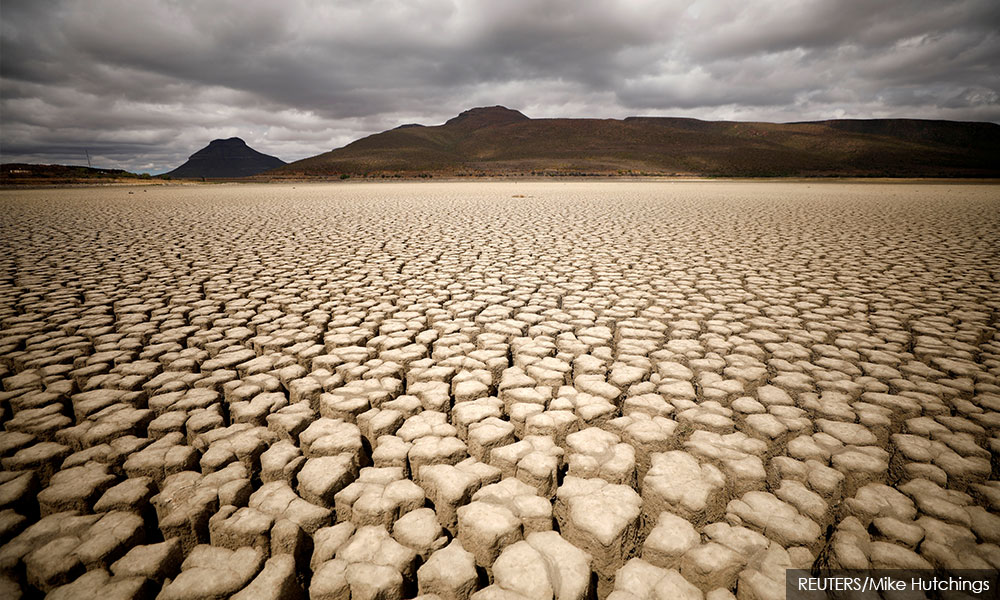
The 1.1°C warming already recorded has been enough to unleash disastrous weather. This year, heat waves killed hundreds in the Pacific Northwest and smashed records around the world. Wildfires fuelled by heat and drought are sweeping away entire towns in the US West, releasing record carbon dioxide emissions from Siberian forests, and driving Greeks to flee their homes by ferry.
Further warming could mean that in some places, people could die just from going outside.
"The more we push the climate system ... the greater the odds we cross thresholds that we can only poorly project," said IPCC co-author Bob Kopp, a climate scientist at Rutgers University.
Irreversible
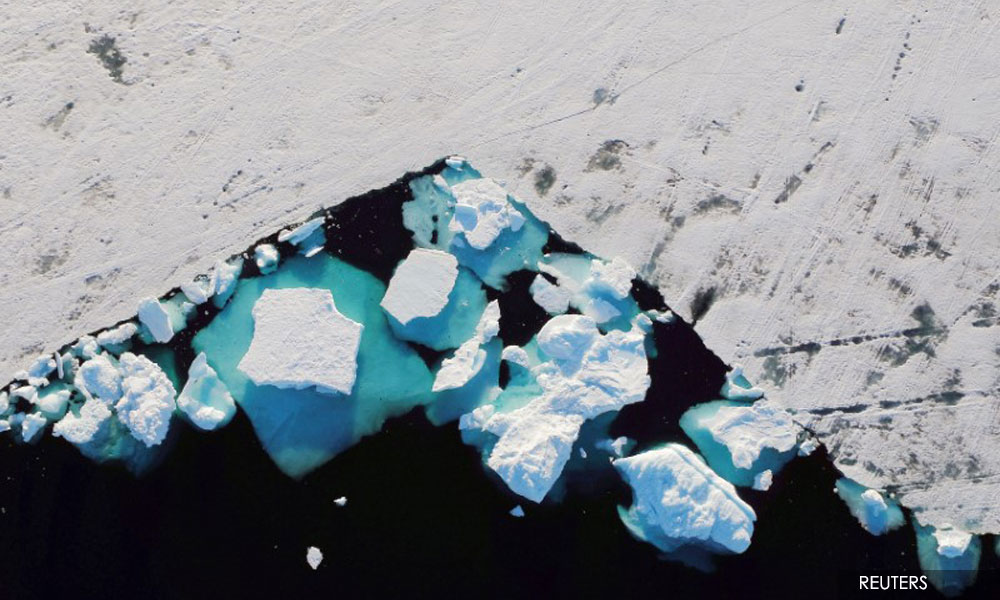
Some changes are already "locked in". Greenland’s sheet of land-ice is "virtually certain" to continue melting, and raising the sea level, which will continue to rise for centuries to come as the oceans warm and expand.
“We are now committed to some aspects of climate change, some of which are irreversible for hundreds to thousands of years,” said IPCC co-author Tamsin Edwards, a climate scientist at King’s College London. “But the more we limit warming, the more we can avoid or slow down those changes.”
But even to slow climate change, the report says, the world is running out of time.
If emissions are slashed in the next decade, average temperatures could still be up 1.5°C by 2040 and possibly 1.6°C by 2060 before stabilising.
And if, instead the world continues on its current trajectory, the rise could be 2.0°C by 2060 and 2.7°C by the century’s end.
The Earth has not been that warm since the Pliocene Epoch roughly 3 million years ago - when humanity's first ancestors were appearing, and the oceans were 25 metres (82 feet) higher than they are today.
It could get even worse, if warming triggers feedback loops that release even more climate-warming carbon emissions - such as the melting of Arctic permafrost or the dieback of global forests.
Under these high-emissions scenarios, Earth could broil at temperatures 4.4°C above the preindustrial average by the last two decades of this century.
Focus on cutting methane
In four decades of climate negotiations, the world has focused intensely and exclusively on the most abundant climate-warming gas: carbon dioxide.
This year, scientists are urging a focus on another potent greenhouse gas - methane - as the planet's best hope for staving off catastrophic global warming.
Countries must make "strong, rapid and sustained reductions" in methane emissions in addition to slashing CO2 emissions, scientists warn in a landmark report by the UN Intergovernmental Panel on Climate Change released Monday.
The plea could cause consternation in countries opting for natural gas as a cleaner alternative to CO2-belching coal. It also could pose challenges for countries where agriculture and livestock, especially cattle, are important industries.
But while both methane and CO2 warm the atmosphere, the two greenhouse gases are not equal. A single CO2 molecule causes less warming than a methane molecule but lingers for hundreds of years in the atmosphere whereas methane disappears within two decades.
The report puts "a lot of pressure on the world to step up its game on methane," said IPCC report reviewer Durwood Zaelke, president of the Institute for Governance and Sustainable Development in Washington, DC.
“Cutting methane is the single biggest and fastest strategy for slowing down warming,” Zaelke said.
But why methane now?
Today’s average global temperature is already 1.1°C higher than the preindustrial average, thanks to emissions pumped into the air since the mid-1800s. But the world would have seen an additional 0.5°C of warming, had skies not been filled with pollution reflecting some of the sun’s radiation back out into space, the report says.
As the world shifts away from fossil fuels and tackles air pollution, those aerosols will disappear – and temperatures could spike.
Quickly reducing methane could “counteract” this effect, while also improving air quality, said IPCC report summary author Maisa Rojas Corradi, an atmospheric scientist at the University of Chile.
On a global scale, methane emissions are responsible for around 30 percent of warming since the pre-industrial era, according to the United Nations.
But the role of methane, aerosols and other short-lived climate pollutants had not been discussed by the IPCC until now.
“The report draws attention to the immediate benefits of significant reductions in methane, both from an atmospheric concentration point of view, but also the co-benefits to human health from improved air quality,” said Jane Lubchenco, deputy director for climate and environment at the White House Office of Science and Technology Policy.
Methane momentum
Updates in technology and recent research suggest that methane emissions from oil and gas production, landfills and livestock have likely been underestimated.
The report sends a loud signal to countries that produce and consume oil and gas that they need to incorporate “aggressive oil and gas methane reduction plans into their own climate strategies,” said Mark Brownstein, senior vice-president of energy at Environmental Defense Fund.
Landfill and energy company emissions might be the easiest to tackle, he said. Large-scale agricultural methane is tougher because scaled-up replacement technology does not exist.
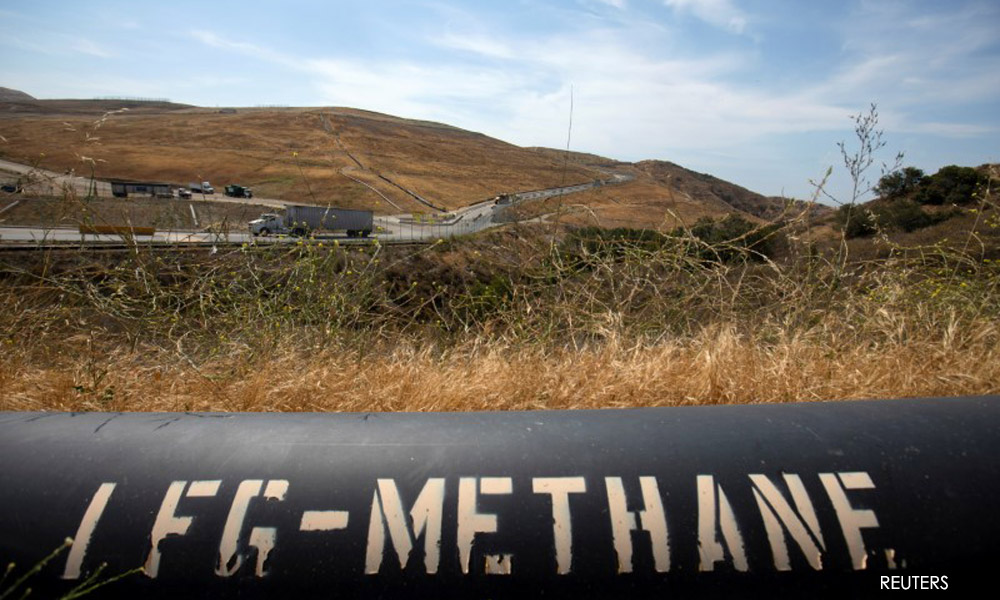
The EU is proposing laws this year that will force oil and gas companies to monitor and report methane emissions and to repair any leaks.
The United States is expected to unveil methane regulations by September that are more stringent than rules issued by the Obama administration, which were then rolled back under former president Donald Trump.
The United States and the EU account for more than a third of global consumption of natural gas.
But major economies without strict regulations on oil and gas production or agriculture, such as Brazil and Russia, are also likely to be high methane emitters, said IPCC co-author Paulo Artaxo, an environmental physicist at the University of Sao Paulo.
“(Methane) leakage from gas and also oil wells is very difficult to quantify,” he said. If countries are not looking, they will not find it.
Some environmental groups and government officials have urged a global agreement on methane, such as the Montreal Protocol that tackled ozone depletion.
Such an agreement could start with methane from the oil and gas industry, which already has the technology to curb those emissions, said Armond Cohen, executive director of the Clean Air Task Force, a Boston-based climate technology group.
“It's not rocket science. There's no exotic technology required here,” he said. “So let's start there.”
- Reuters





Report this comment
Are you sure you want to delete this comment?
This action cannot be undone.