



More than 100 countries join pact to slash planet-warming methane emissions
More than 100 countries have joined a US and EU-led effort to slash 30 percent of methane emissions by 2030 from 2020 levels.
The initiative to cut emissions of the potent greenhouse gas is aimed at tackling one of the main causes of climate change.
The main greenhouse gas after carbon dioxide, methane has a...
More than 100 countries have joined a US and EU-led effort to slash 30 percent of methane emissions by 2030 from 2020 levels.
The initiative to cut emissions of the potent greenhouse gas is aimed at tackling one of the main causes of climate change.
The main greenhouse gas after carbon dioxide, methane has a higher heat-trapping potential than CO2 but breaks down in the atmosphere faster - meaning cutting methane emissions can rapidly rein in global warming.
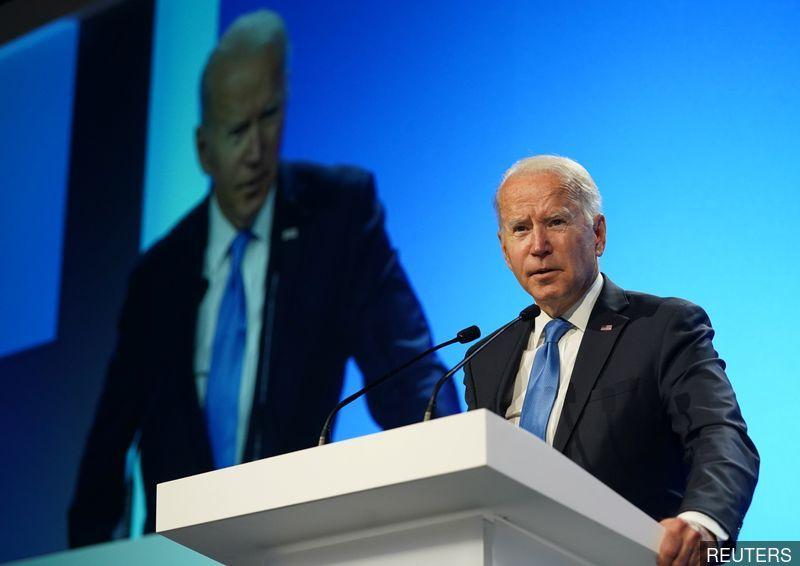
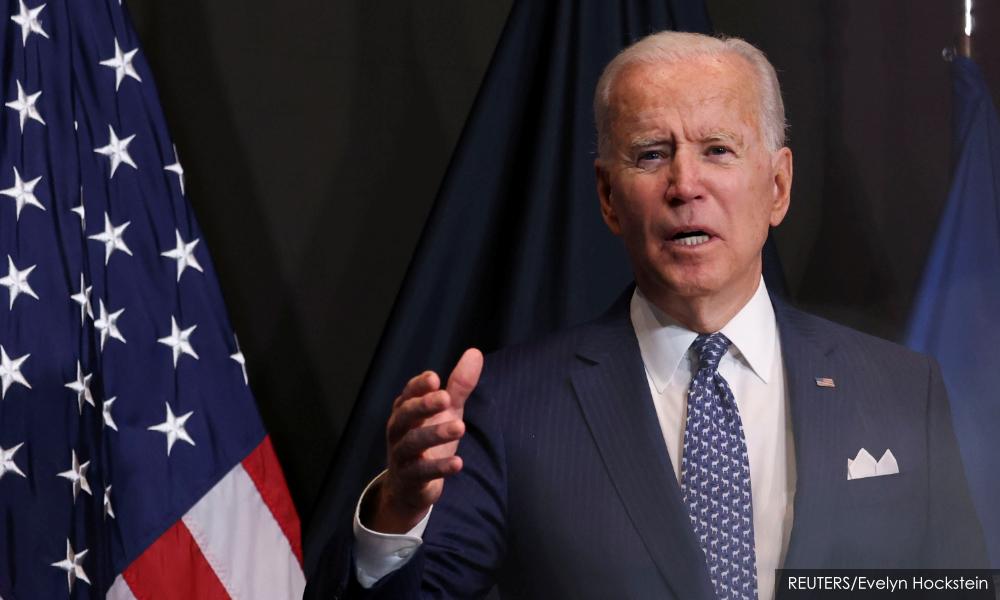
The Global Methane Pledge, launched at the COP26 summit in Glasgow yesterday after being announced in September, now covers countries representing nearly half of global methane emissions and 70 percent of global GDP, said US President Joe Biden (above).
"Together, we're committing to collectively reduce our methane by 30 percent by 2030. And I think we can probably go beyond that," Biden said at the COP26 summit in Scotland.
"It's going to boost our economies, saving companies money, reducing methane leaks, capturing methane to turn it into new revenue streams, as well as creating good-paying union jobs for our workers."
Among the new signatories was Brazil - one of the world's five biggest emitters of methane.
China, Russia and India, also top-five methane emitters, have not signed on to the pledge. Those countries were all included on a list identified as targets to join the pledge, first reported by Reuters.
"Methane is one of the gases we can cut fastest. Doing that will immediately slow down climate change," said European Commission President Ursula von der Leyen.
Widening the pact
Since it was first announced in September with a handful of signatories, the United States and European Union have worked to get the world's biggest methane emitters to join the partnership.
There were roughly 60 countries signed up only last week, after a final diplomatic push from the United States and EU ahead of the COP26 summit.
While it is not part of the formal UN negotiations, the methane pledge could rank among the most significant outcomes from the COP26 conference, given its potential impact in holding off disastrous climate change.
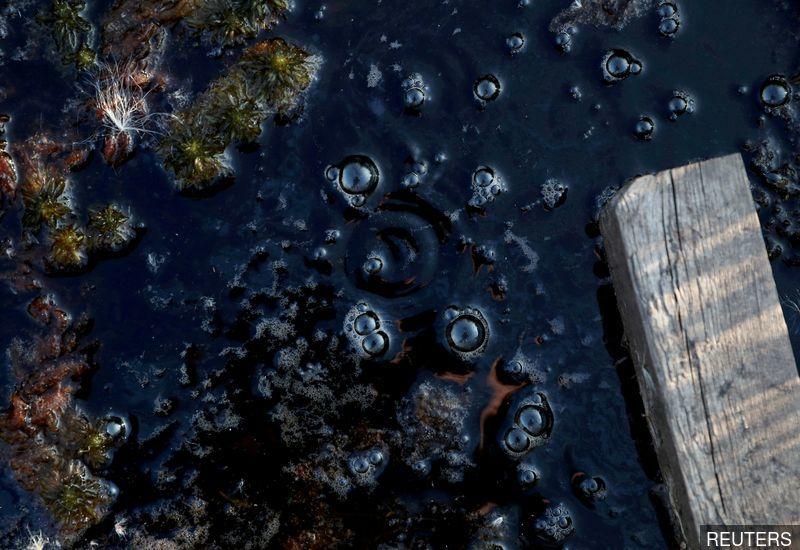
A UN report in May said steep cuts in methane emissions this decade could avoid nearly 0.3 degrees Celsius of global warming by the 2040s.
Failing to tackle methane, however, would push out of reach the 2015 Paris Agreement's objective to limit the global rise in temperature to 1.5C above pre-industrial levels and avoid the worst impacts of climate change.
The 30 percent methane cut, which is not legally binding, would be jointly achieved by the signatories, and cover all sectors.
Key sources of methane emissions include leaky oil and gas infrastructure, old coal mines, agriculture and landfill sites.
If fulfilled, the pledge is likely to have the biggest impact on the energy sector, since analysts say fixing leaky oil and gas infrastructure is the fastest and cheapest way to curb methane emissions.
The United States is the world's biggest oil and natural gas producer, while the EU is the biggest importer of gas.
The United States on Tuesday unveiled its own sweeping proposal to crack down on methane emissions with a focus on the oil and gas sector.
The main regulation could take effect as soon as 2023 and slash methane from oil and gas operations by 74 percent from 2005 levels by 2035, according to the US Environmental Protection Agency.
The EU and Canada both plan to unveil methane legislation addressing the energy sector later this year.
- Bernama



Are you sure you want to delete this comment?
This action cannot be undone.