



COMMENT | Why can't UN maintain world peace and security?
COMMENT | In this turbulent world where people everywhere are suffering from health and economic problems, mainly caused by Covid-19, and about six million people have died as a result of it, what is needed is a collective effort to overcome this challenge.
Not war, because war destroys peace and disrupts the fight against this epidemic.
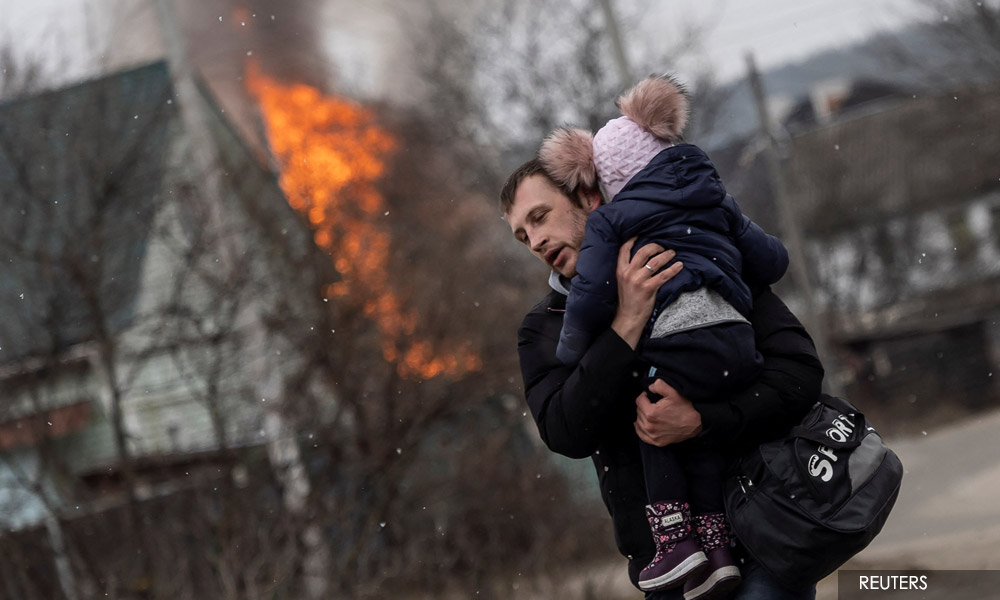
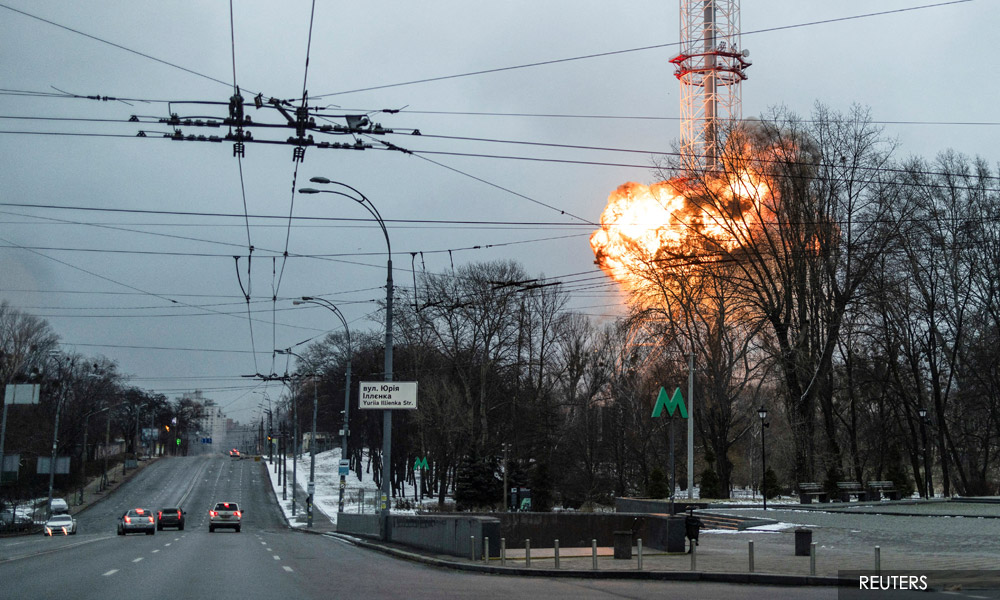
However, as the current situation in Ukraine clearly shows, war remains a threat to peace, which has to be removed.
Peace and security, which are the main goals of the United Nations (UN) and its predecessor, the League of Nations, must be maintained.
Both the League of Nations and the UN were founded on the principle of “collective security” that considers an attack on one nation as an attack on all nations.
Under the collective security system, as reflected in...
COMMENT | In this turbulent world where people everywhere are suffering from health and economic problems, mainly caused by Covid-19, and about six million people have died as a result of it, what is needed is a collective effort to overcome this challenge.
Not war, because war destroys peace and disrupts the fight against this epidemic.
However, as the current situation in Ukraine clearly shows, war remains a threat to peace, which has to be removed.
Peace and security, which are the main goals of the United Nations (UN) and its predecessor, the League of Nations, must be maintained.
Both the League of Nations and the UN were founded on the principle of “collective security” that considers an attack on one nation as an attack on all nations.
Under the collective security system, as reflected in the Covenant of the League of Nations (Articles 10-16) and the UN Charter (Articles 39-51), the aggressive war would no longer be the concern of the individual nation, but the concern of all nations, and all countries are committed to collectively respond to the threat to peace or its violations.
The League of Nations failed to implement its collective security system and thus dissolved, and if the UN fails to implement its ideas of collective security and maintain international peace and security, the fear is that its fate will be the same as that of its predecessor.
Inter-state wars, other than self-defence wars (individual or collective), are prohibited by international law.
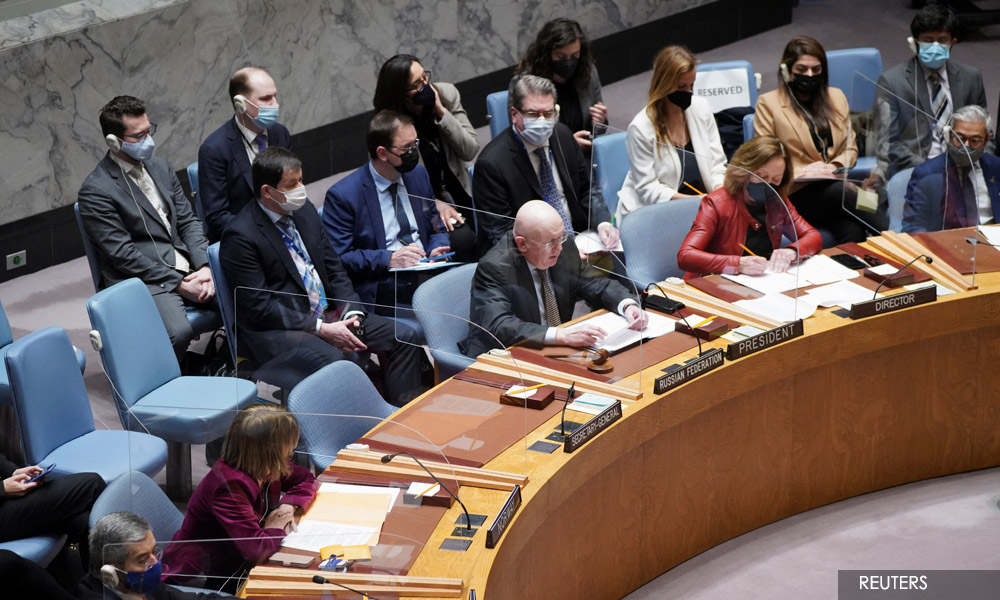
Such wars, like the one in Ukraine, which has the potential to trigger a “Third World War”, can be considered as a threat or breach of international peace and security and this, in turn, require a collective response by the UN Security Council - a powerful body that has 15 members, five of them permanent, namely US, Britain, France, China and Russia - known as P5.
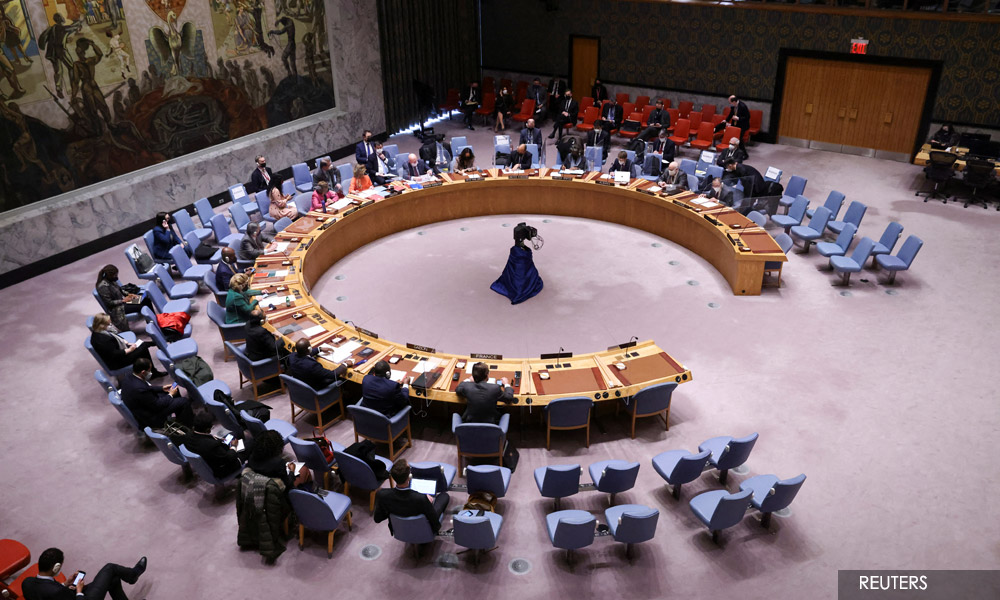
The Security Council has “the primary responsibility”, conferred upon it by all nations to maintain international peace and security. All nations “agree that in carrying out its responsibility the Security Council acts on their behalf.”
In discharging its responsibility under Chapter VII of the UN Charter, the council may adopt binding measures in the form of non-military sanctions (such as trade, air and travel, smart or targeted sanctions) or, as a last resort, military sanction, against any country whose actions determined by the council as a threat or violation of international peace.
Given that the UN alone does not have a standing army or police force, the implementation of collective security decisions requires the support of the member states.
It was through the cooperation of the member countries that the UN collective security decision in the form of military sanction was successfully implemented against North Korea in 1950 when it invaded South Korea, and against Iraq in 1990 when it invaded Kuwait.
Apart from a few success stories the ideas of a collective security system, described by some writers as “the best approach to international peace and a valuable tool for crisis management in the world”, are not fully implemented, due to lack of cooperation by some nations, especially the powerful among them.
For instance, “to its member states’ eternal shame, on some occasions”, like the one in Rwanda and Srebrenica in the early 1990s, [the UN] has been a bystander to ‘’genocide”, ie, “the systematic massacre of thousands of people because of their ethnicity, religion, race or nationality”, and shockingly failed to prevent it.
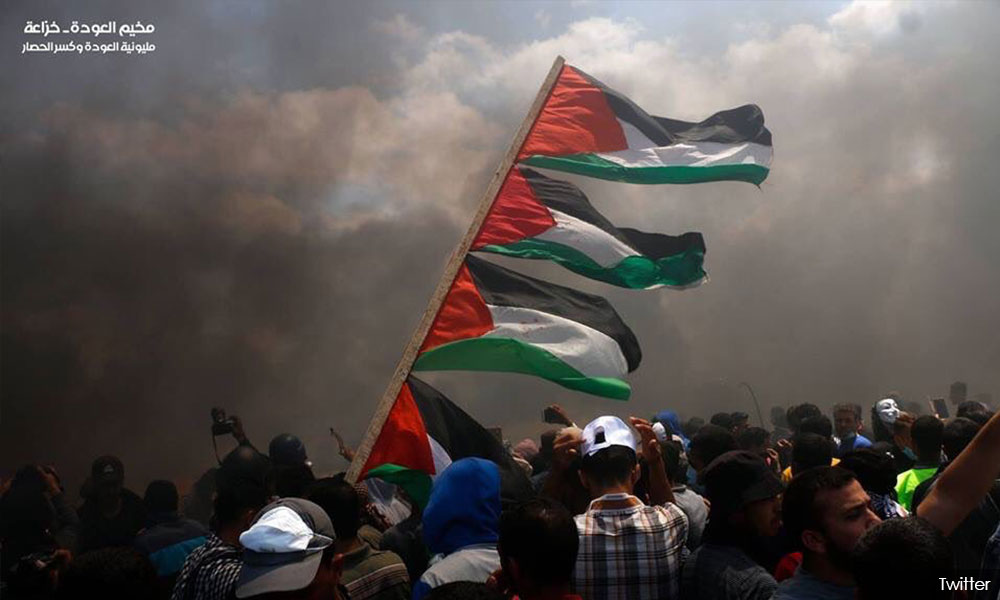
For more than 70 years, the Palestinians have sought to free themselves from the yoke of occupation, but so far to no avail.
The UN should have been active in finding a peaceful, just and lasting solution to the Israeli-Palestine conflict, but so far it has failed due to the lack of cooperation or prejudice of some P5 members in the Security Council.
UN collective security system
No system works effectively when its members do not cooperate fairly. The UN collective security system is not an exception.
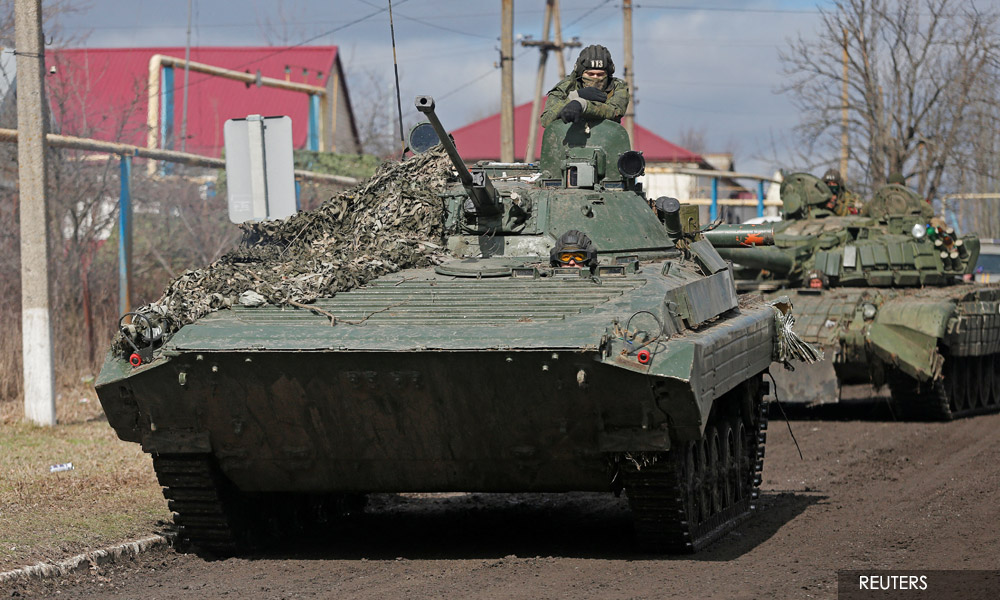
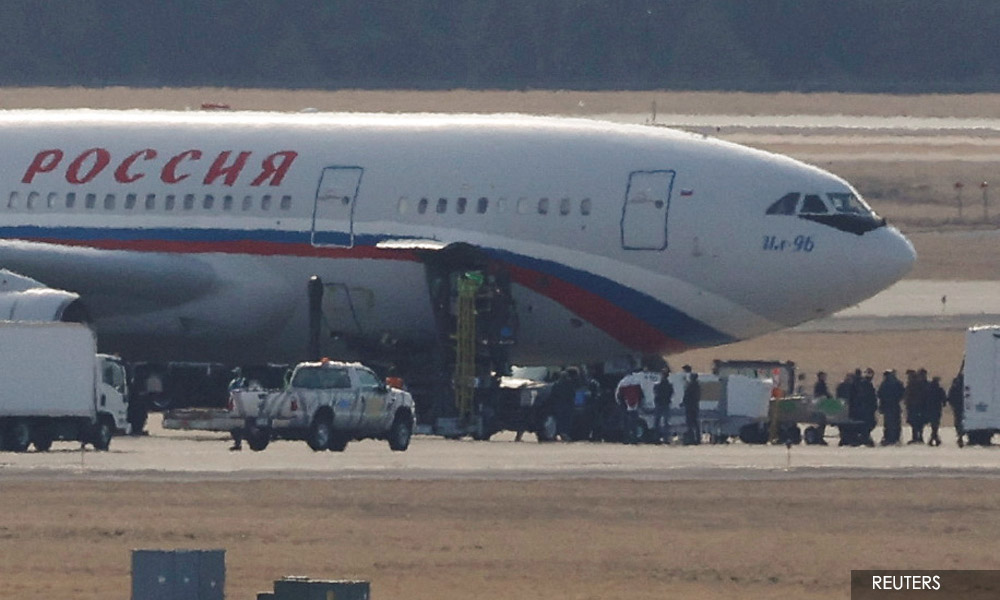
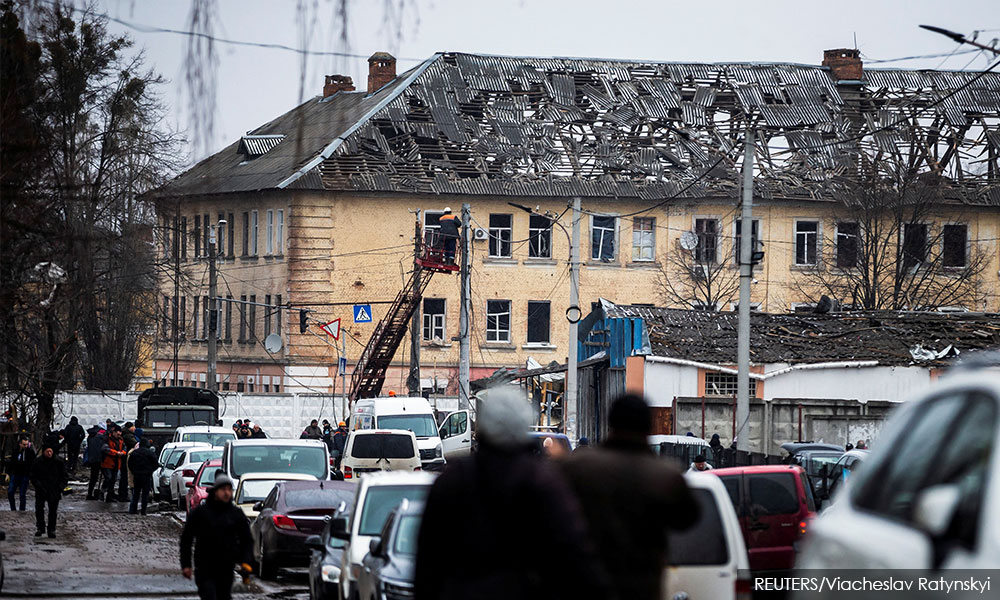
The US led-wars in Afghanistan in 2001, Iraq in 2003 and now the Russian invasion of Ukraine are a few other instances of evidence of the sad reality.
These wars, which were carried out in violation of international law and could not be justified by reference to the right of self-defence, have shaken the very foundation of the UN collective security system that aims to “safe succeeding generation from the scourge of war” and to that effect creates a responsibility on the part of the UN Security Council to defend the security of the victim nations.
Unfortunately, the council has been paralysed in the performance of its duties in these cases, as well as during the first Cold War, due to rivalries between P5 members, and fear is that the situation would not improve during the second Cold War period, which is in the making.
These instances clearly suggest that international consensus and unity of purpose that existed in the area of international peace and security in 1945 when the UN Charter was adopted no longer exist, and for this reason, those who have undermined international peace and security were and still are not held accountable.
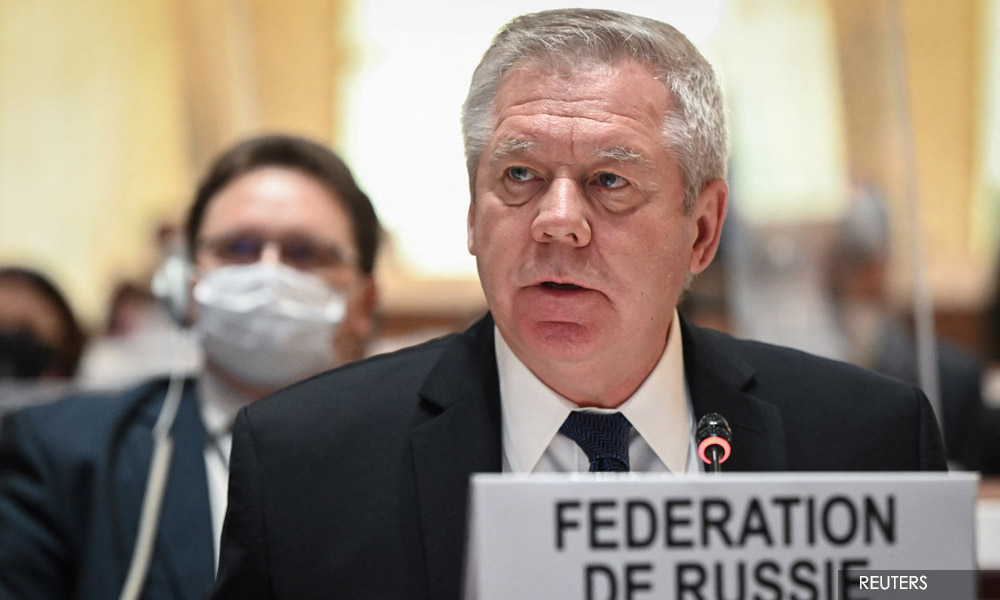
For instance, the Union of Soviet Socialist Republics (USSR), which is now dead, was not held accountable for invading Afghanistan in 1979, the US was not held accountable for invading Iraq in 2003 and it is doubtful Russia will ever be held responsible for its invasion of Ukraine. Recently Russia vetoed the UN Security Council resolution calling on it to withdraw from Ukraine.
The failure of the UN stems from its undemocratic nature, as its "focus of power is in the Security Council," where P5 still has crippling vetoes.
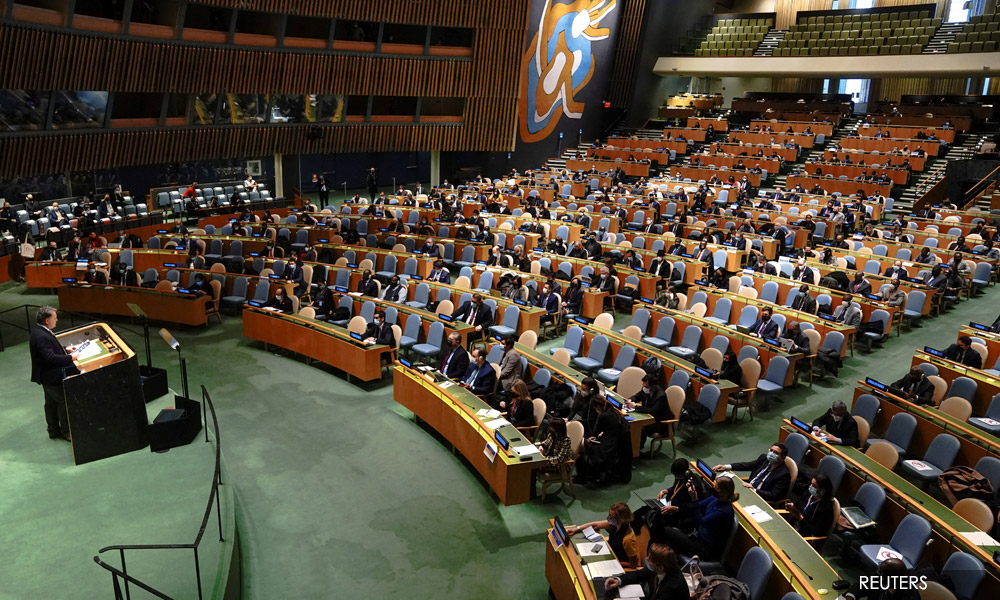
Although each country has a vote in the General Assembly, that body has less power, which means that approximately “75 percent of the world's population is disenfranchised in the Security Council.”
The question of how to get rid of the veto is a topic that has been debated for years. But it has proven to be difficult, though not impossible, to get rid of veto because it requires amendment of the UN Charter, which is possible when it is adopted by a vote of two-thirds of the members of the General Assembly, including all the permanent members of the Security Council.
This means without the consent of all the P5 members, the amendment to the UN Charter and removing their vetoes would not be possible. P5 so far has shown an unwillingness to give up their right to veto.
Suggestions have been made to increase the number of permanent members but so far no decision has been made in this regard.
Although the UN is currently unable to take a Chapter VII decision against the P5 and their allies because of the veto as well as because P5 are nuclear-capable, the world has no better alternative but to maintain it, and at the same time push hard for its democratisation, for the world with the UN would still be safer than without it.
It is true "the UN was not created to take mankind to heaven, but to save humanity from hell", yet the world may turn into a “hell” once "World War III", which is feared, occurs.
The fact that it has been averted so far is a success story. We wish the UN more success, but we are not talking about the success stories of the UN here.
The UN, in spite of its success in different aspects of international relations, needs reform in the area of collective security. However, this does not mean the world no longer needs the UN.
The UN must be preserved, and all nations, especially the P5 members, should act dutifully and not encourage others to put the final nail in the coffin of the UN collective security system.
They must make sure that the system, which is in the interest of peace and security of all nations, works.
All nations should cooperate with the UN to remain effective, otherwise, a persistent lack of cooperation, which caused the demise of the League of Nations may do the same to its successor, the UN.
MOHAMMAD NAQIB EISHAN JAN is a professor at the International Islamic University of Malaysia.


Are you sure you want to delete this comment?
This action cannot be undone.