


/file/publisher-c1a3f893382d2b2f8a9aa22a654d9c97/2022/08/7189ab7ed4abfa89f3853b3c1a2ba5e1.jpg)

COMMENT | Malayan Sikhs' blind loyalty to the British a myth
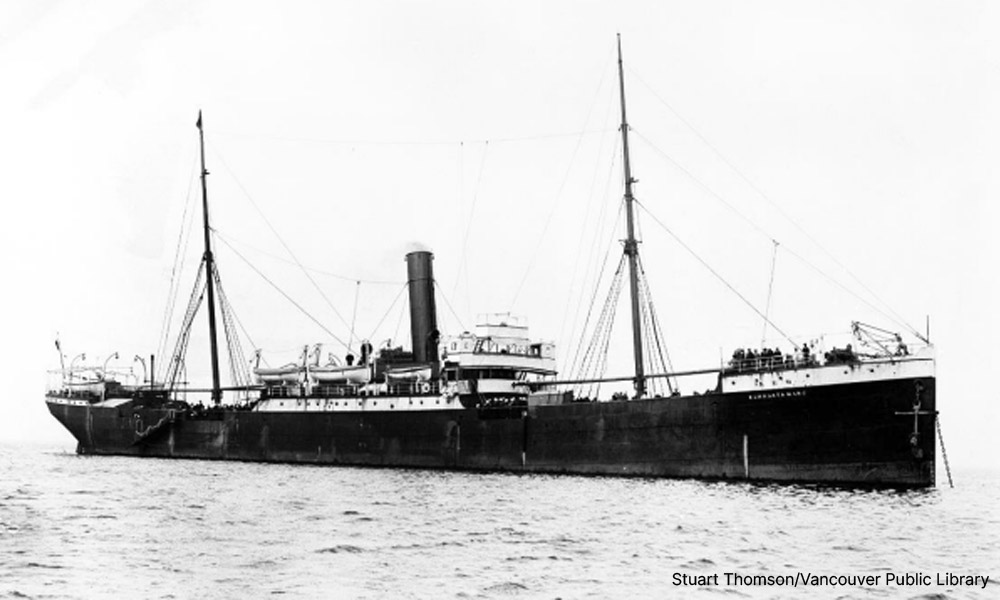
It is a dramatic transnational saga of imperial politics, global white supremacy agenda, the rights of British subjects and the valiant spirit of Komagata Maru’s Punjabi passengers – 90 percent of whom were Sikhs – who were denied entry into Canada.
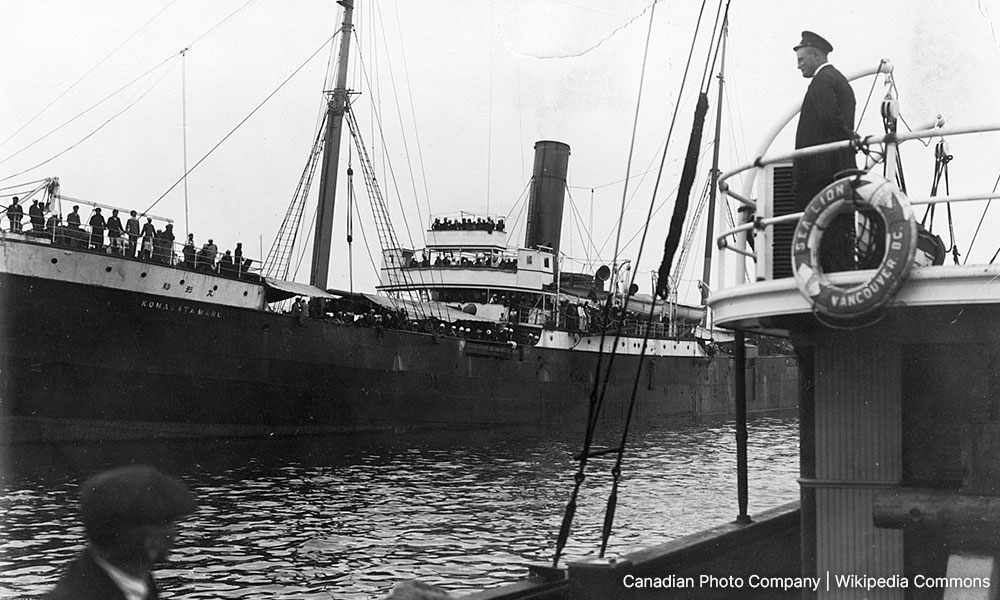
This transnational incident revolves around the turning away of 352 out of 376 Punjabi passengers aboard a Japanese-owned steamship, Komagata Maru, by the Canadian government - primarily due to racial discrimination and fear of economic competition.
The ship sailed into Vancouver’s harbour on May 23, 1914, and was not allowed to dock, virtually becoming a floating detention camp. It was eventually forced to sail out on July 23, 1914, by a Canadian cruiser.
Upon returning to Budge Budge, near Kolkata, India, on...
COMMENT | The 1914 Komagata Maru incident is considered by historians as “one of the most shameful tragedies in Canadian race relations” and “probably the most dramatic occurrence in the history of Canadian immigration”, which “presented a messy tangle of local, national and international interests.”
It is a dramatic transnational saga of imperial politics, global white supremacy agenda, the rights of British subjects and the valiant spirit of Komagata Maru’s Punjabi passengers – 90 percent of whom were Sikhs – who were denied entry into Canada.
This transnational incident revolves around the turning away of 352 out of 376 Punjabi passengers aboard a Japanese-owned steamship, Komagata Maru, by the Canadian government - primarily due to racial discrimination and fear of economic competition.
The ship sailed into Vancouver’s harbour on May 23, 1914, and was not allowed to dock, virtually becoming a floating detention camp. It was eventually forced to sail out on July 23, 1914, by a Canadian cruiser.
Upon returning to Budge Budge, near Kolkata, India, on Sept 29, 1914, nineteen of the ship’s passengers were killed by gunfire when they ignored the directive of the British authorities to board a special train to Punjab.
This brutal treatment of the Komagata Maru’s returning passengers by the British authorities further mobilised Sikh public opinion against the British Raj in India and overseas, including Malaya.
This article seeks to shed new light, besides revising existing knowledge on Gurdit Singh, the charterer of the Komagata Maru; the link between the incident and the transnational Ghadar movement; and its impact on the Malay States Guides (MSG) – Malaya’s first military regiment.
Factual errors
Although much has been written on the Komagata Maru incident and the Ghadar movement, many glaring factual errors have been made by prominent international historians.
For example, Gurdit was a long-time resident of Serendah, Malaya (now West Malaysia), not Singapore or Hong Kong. The other factual errors are summarised in the following table.
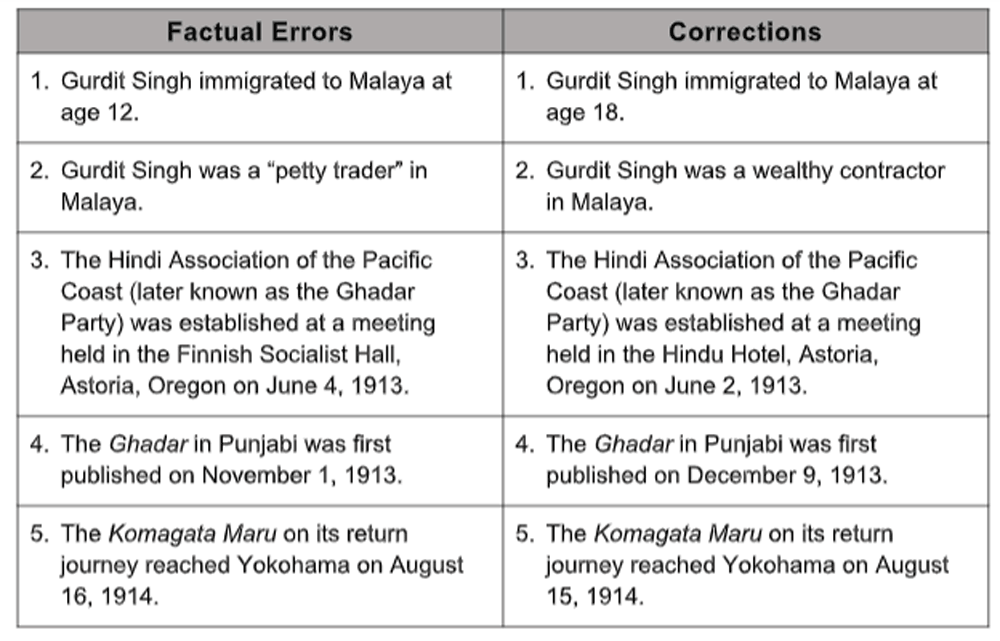
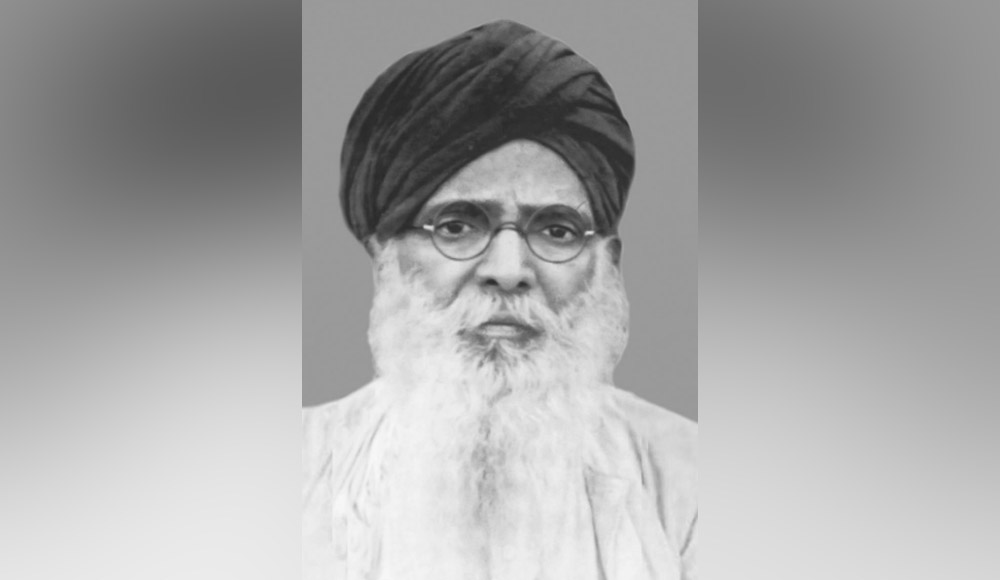
Gurdit had immigrated to Malaya around 1877 and started work with a Chinese pork dealer in Taiping, apparently named Mow Pin Liu. Subsequently, he operated a successful dairy business supplying milk to the British paramilitary force in Taiping.
Around the early 1890s, Gurdit shifted to Serendah and became a successful contractor involved primarily in railway and road construction, besides planting rubber. He was instrumental in constructing the first Sikh gurdwara in Serendah in 1897.
History will remember Gurdit as a bold entrepreneur and an ardent champion of racial equality, fair play, and justice.
In March 1914, Gurdit Singh chartered the Komagata Maru in Hong Kong to take prospective Punjabi immigrants to Canada, a white dominion of the British Empire.
He challenged Canada’s then racist immigration policy aimed at maintaining Canada as a “white man’s country” by limiting or halting Asian immigration.
Gurdit strongly believed that Indians, as subjects of the British Crown, had the right to settle anywhere in the British Empire, including Canada.
The Komagata Maru massacre at Budge Budge gave a great fillip to the Ghadar movement (1913-18); it provided fodder for the movement to fan hatred against the British Raj in India.
Indeed, some of the ship’s passengers were transformed from economic migrants into ardent revolutionaries. Beginning in August 1914, the massacre spurred an exodus of thousands of diasporic Indians, including those from Malaya, to return home to expel the British from India.
Fighting the British Raj
Pertaining to the Ghadar movement, it originated with the formation of the Ghadar Party in the United States in 1913. The Ghadar movement was the first secular and militant anti-colonial movement aimed at attaining complete independence of India and forming a national republic based on equality and freedom.
The Ghadar movement drew considerable support from the Indian diaspora – almost wholly Sikh with the gurdwaras being the centres of manpower mobilisation and revolutionary planning – through the virulent propaganda of its revolutionary weekly paper, Ghadar, which mobilised Indian patriots into action.
The Komagata Maru incident greatly fanned anti-British feelings among the Malayan Sikhs. The Malayan Ghadarites under the leadership of Jagat Singh of Perlis capitalised on this affair to evoke anti-British feelings and played a major role in persuading the MSG not to embark on active service overseas during the First World War.
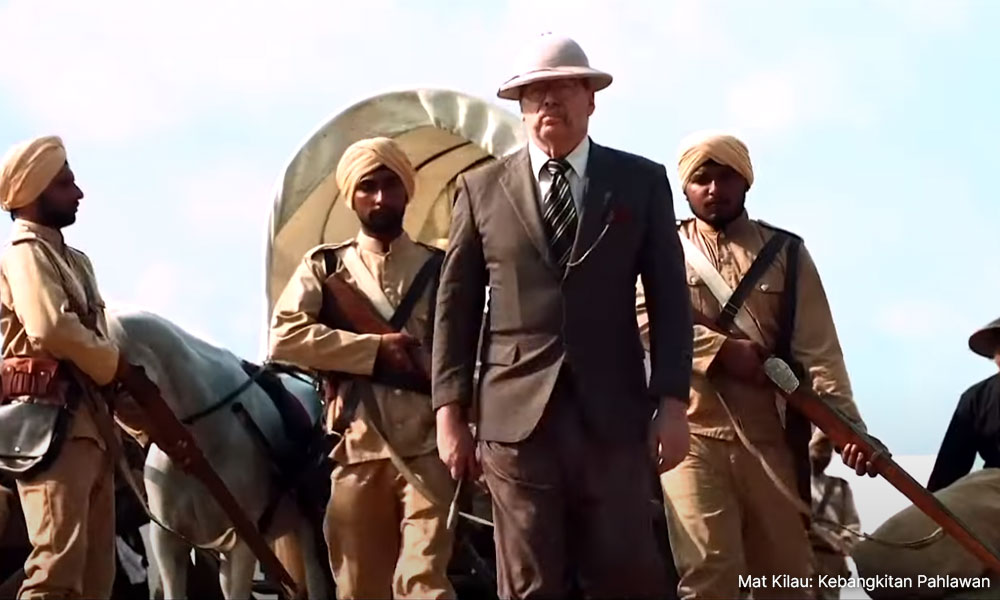
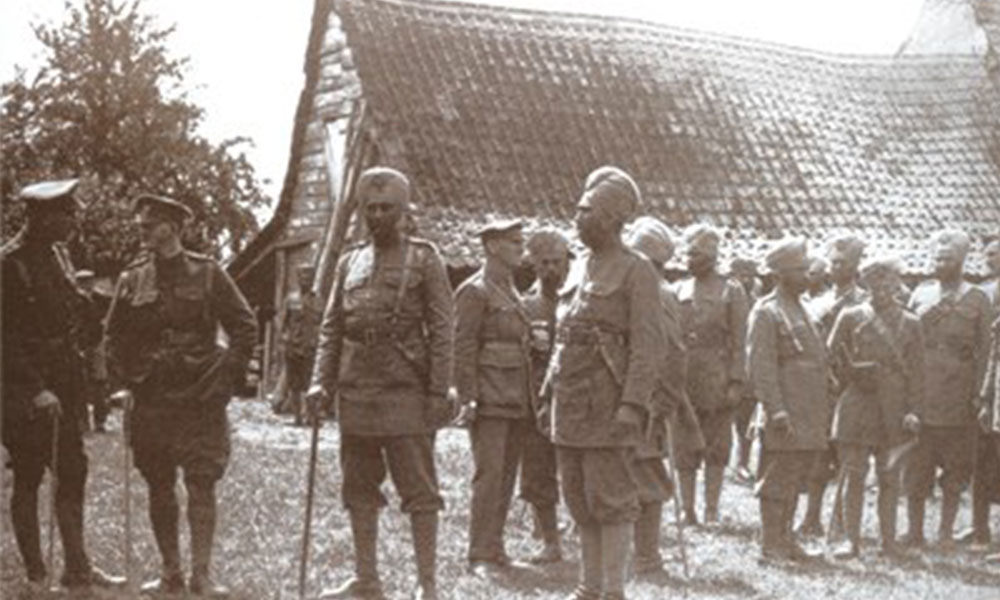
The MSG, headquartered at Taiping, Perak, was a regiment (comprising about 65 percent Sikhs) entrusted primarily with the internal defence of the Federated Malay States.
On Aug 8, 1914, the MSG (with the exception of a company stationed in Penang to defend the cable installations and a few recruits under a retired native officer to guard the barracks at Taiping) left for duty in Singapore.
The MSG volunteered for active service on Aug 31, 1914. On December 3, 1914, Lt-Col CHB Lees, the commandant of the MSG, received a notification that the regiment was ordered to go to East Africa.
On Dec 6, 1914, the MSG withdrew their offer to proceed to the front, stating that they had only enlisted to serve in the Federated Malay States and the Straits Settlements.
During a Ghadarite meeting held at his house in Kangar, Perlis, on Jan 4, 1915, Jagat apparently stated that funds are being collected for the twin purposes of purchasing weapons to expel the British out of India and to incite British native regiments everywhere (including the MSG) to mutiny.
He also spoke about British discrimination in not allowing the Komagata Maru passengers to land in Vancouver and British brutality at Budge Budge.
‘No freedom in own country’
Hira Singh, a Ghadar activist from Penang, apparently stated in this meeting: “The British are taking Sikhs to the war and getting them killed. The Asiatic regiments had not made any agreement for foreign service and they were being taken against the terms of their agreement. The MSG had agreed to serve only in the Malay States, and why should they be taken to Singapore in order to be taken to the war? Although they were being forced, the MSG men were not willing to go.”
Interestingly, what was allegedly discussed in this meeting on Jan 4, 1915, bears a close resemblance to the letter purportedly written by “Men of the Guides” in early December 1914:
“...We cannot under any circumstances fight in any other country than the ones mentioned in our agreement sheets… and we may again point out that if the order for our going is given it will bring a very disastrous result.
“As the shooting of our brethren (Komagata Maru case) have troubled and grieved us, some of us have lost dear brothers and other blood relations, we can never forget the ‘kindness’ of the Indian government (British) for shooting and slaughtering the dead who lost their lives in India in the hopes of earning money and better lives in America, from which they were expelled, and were not allowed to land and return, but the Indian government again took the poor dead as seditious people, did not allow them to land at their own home even.
“When we have no right to walk freely on our own land, then what do you want from us in other countries? As we are butchered in our own country, we cannot expect better treatment from other countries, therefore, we strongly tell you that we will not go to other countries to fight except those mentioned in our agreement sheets.”
Between October 1914 and the first quarter of 1915, it is estimated that more than 100 Malayan Sikhs, including several police officers who deserted from the Federated Malay States police force, returned to India to take part in the planned uprising against the British Raj.
The Ghadar movement, however, failed to accomplish its desired aim of expelling the British from India.
To conclude, the Komagata Maru incident and the Ghadar movement in Malaya not only greatly impacted a segment of the Malayan Sikh community but also shattered the myth of its blind loyalty to the British Raj.
RANJIT SINGH MALHI is an independent historian who has written 19 books on Malaysian, Asian, and world history. He is highly committed to writing an inclusive and truthful history of Malaysia based on authoritative sources.
The views expressed here are those of the author/contributor and do not necessarily represent the views of Malaysiakini.




Report this comment
Are you sure you want to delete this comment?
This action cannot be undone.