


/file/publisher-c1a3f893382d2b2f8a9aa22a654d9c97/2022/07/45f41c3828211bb3ce2a41b0f09cf5fd.jpg)

COMMENT | Mat Kilau and our nostalgia for Britain
COMMENT | Our relationship with the British is weird. Were they colonisers who exploited us, or were they people we still somehow look up to and want to imitate?
The movie ‘Mat Kilau’ was the biggest Malaysian box office hit ever, with RM90 million in ticket sales. This was our version of an Islamic Rambo rebelling against the “oppression” of British rule. Yet Pahang, Selangor, and Penang announced that they would fly flags at half-mast for the recent funeral of Queen Elizabeth II.
This is confusing. If we believe the movie, the British were the “bad guys”. So how are we supposed to feel when Malaysian states honour the British Queen?
And here I am, a Malaysian with ancestors from China, writing this article in English. Is this because I am a descendant of Anglicised “Straits Chinese” who were once proud to be called “the King’s or Queen’s Chinese”?
Certain political parties claim that...
COMMENT | Our relationship with the British is weird. Were they colonisers who exploited us, or were they people we still somehow look up to and want to imitate?
The movie ‘Mat Kilau’ was the biggest Malaysian box office hit ever, with RM90 million in ticket sales. This was our version of an Islamic Rambo rebelling against the “oppression” of British rule. Yet Pahang, Selangor, and Penang announced that they would fly flags at half-mast for the recent funeral of Queen Elizabeth II.
This is confusing. If we believe the movie, the British were the “bad guys”. So how are we supposed to feel when Malaysian states honour the British Queen?
And here I am, a Malaysian with ancestors from China, writing this article in English. Is this because I am a descendant of Anglicised “Straits Chinese” who were once proud to be called “the King’s or Queen’s Chinese”?
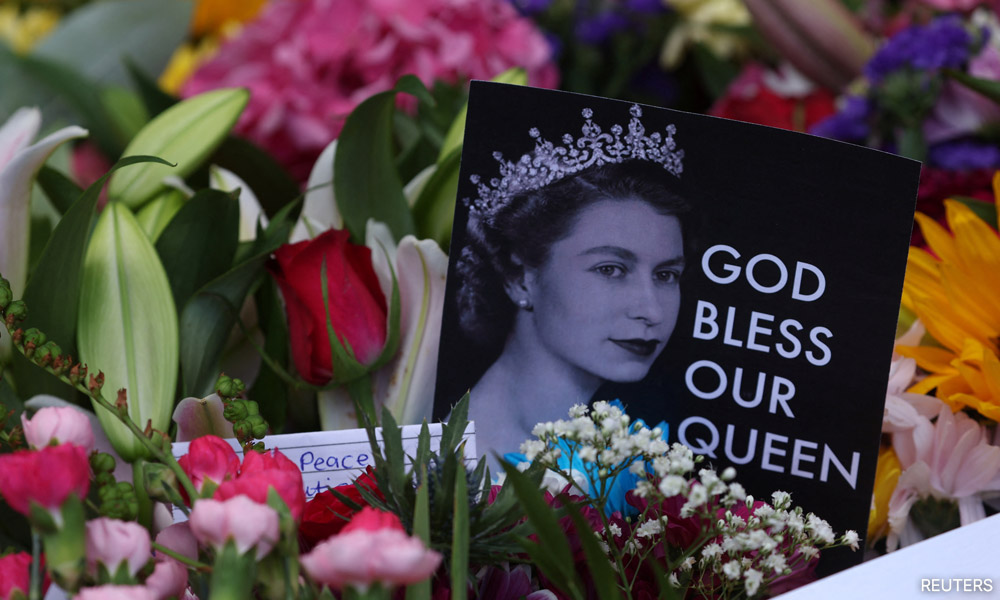
Certain political parties claim that they “fought” for independence from the British. But theirs was a polite fight, not a military one, unlike what the Indonesians and Vietnamese undertook against the Dutch and French colonists. Perhaps that is why some of us still crave the glamour of shopping in London and the prestige of UK university degrees?
There has been saturation coverage in the Western media about the Queen’s passing. But behind the pomp, ceremony and adulation, certain people remember a darker past that the monarchy represents.
Foremost is the slave trade, when 11 million Africans were kidnapped and brutalised to work in sugarcane plantations.
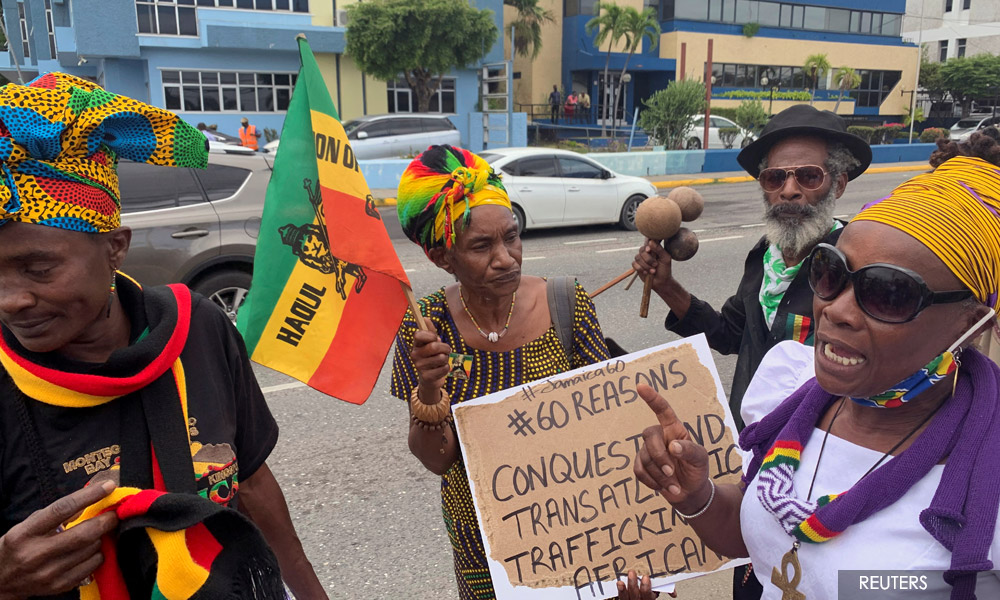
Now, six Caribbean nations (including Jamaica, Bahamas, and Belize) want to follow Barbados’ example to remove (finally!) the British sovereign as their head of state.
Next comes exploitation. In 2019, India’s Foreign Minister S Jaishankar cited an economic study that the British took away US$45 trillion (RM205.5 trillion) from India during their 200-year rule.
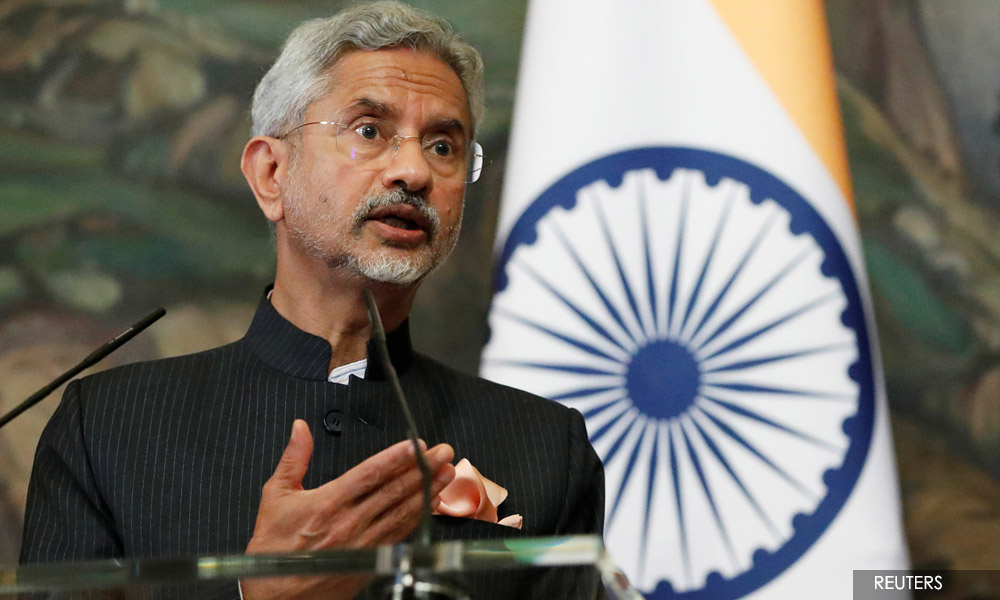
In 2015, writer and politician Shashi Tharoor made a landmark speech on how Britain impoverished India to enrich itself. For example, the hand looms (even thumbs) of Indian weavers were broken to ensure that the textile mills of Lancashire controlled the world market. India became Britain’s biggest market and cash cow.
But didn’t Britain build railways in India? Yes, but it was done to enable exploitation and paid for with Indian taxes, explained Shashi. This encouraged overcharging so that each mile of rail in India was double the cost paid in Canada or Australia!
Rebellion in Kenya and Malaya
OK, but all these were not done during the Queen’s time, one may argue. Not true. The brutal clampdown on Kenya’s Mau Mau rebellion began just months after she ascended to the throne in 1952, with what the New York Times called “a vast system of detention camps and the torture, rape, castration and killing of tens of thousands of people.”
This was an armed rebellion launched by the Kikuyu tribe, who had lost land during colonisation. Perhaps one could even call them the Mat Kilau of Kenya. But the British called them “terrorists” and declared an “Emergency” to fight them in October 1952.
During the Queen’s reign, Malaya also had an “Emergency” (1948-1960). People like Chin Peng started out as “freedom fighters” during World War Two in the Malayan People’s Anti-Japanese Army. He was even awarded an OBE (Order of the British Empire) medal for his efforts.
But by 1948, as communists started fighting against British colonial/financial interests, they were branded as “terrorists”. Britain could not afford to lose Malaya as its tin and rubber made it the most valuable colony after the loss of India in 1947. Among the half-forgotten atrocities of this period is the Batang Kali massacre of 24 unarmed villagers.
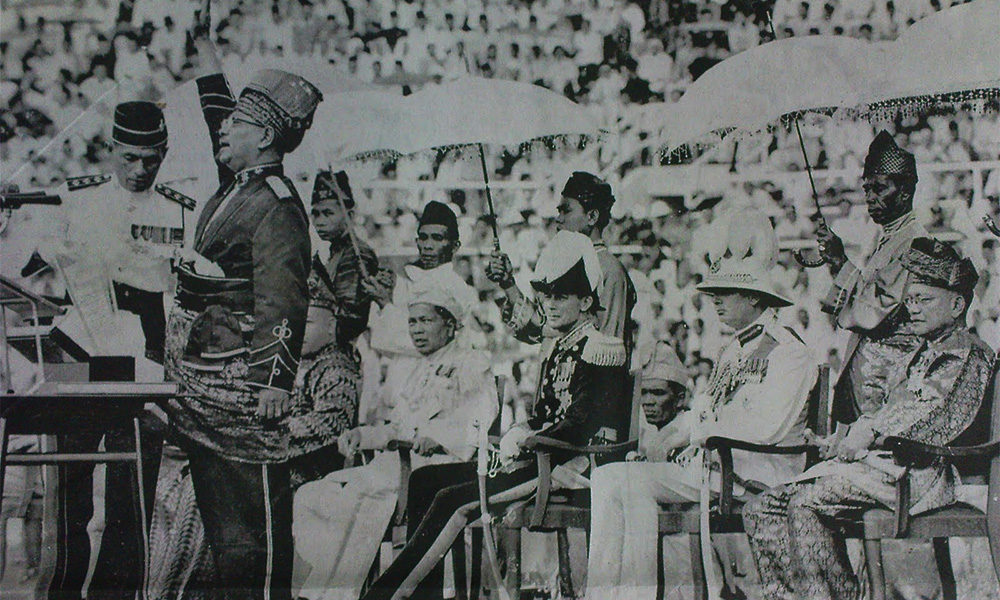
However, the rebellion did speed up the independence of Malaya, or as Tunku Abdul Rahman said, “Baling (talks with communist leaders) led straight to Merdeka.”
Kenya’s brutal past did not prevent its President William Ruto from attending the Queen’s recent funeral. However, he and other “lesser world leaders” (as described by the UK Sunday Times), including our Yang di-Pertuan Agong, were put onto a bus while US President Joe Biden was allowed to use his own armoured limousine (called “The Beast”) plus his own motorcade!
Imperial nostalgia or what?
Britain grabbed Hong Kong in 1841 after Qing Dynasty officials tried to stop the sale of opium in China. But today, the people there do not seem to see the British as drug pushers destroying Chinese lives.
Instead, there were massive queues in the heat to pay tribute to the queen. Some burst into tears or fell to their knees in front of her portrait. Had they forgotten those “No dogs and Chinese allowed” signs put up by the British? Were they “brainwashed” colonial people?
But it’s not so simple. One article analysed that the outpouring of grief reflected both nostalgia for times past (when Hong Kong was much richer than mainland China) and worries about its freedoms and future.
Yes, the British came to this country, Malaya, not to do charity but to exploit our natural resources. But were we impoverished by the British like India? Or did their rule result in a net gain of stability, progress and education, almost as an unintended side effect? A firm foundation to build on to become a first-world country? Like Singapore?
Could local rulers have modernised this country on our own terms, as Emperor Meiji and King Mongkut did in Japan and Thailand? After all, both countries could build their own railways.
Some would say no, not in Malaya. There were too many chaotic civil wars as petty princes fought for state thrones. It reminds us of how PAS, Bersatu, and Umno are now clawing at each other for power and we wonder who is really planning our long-term strategic advancement.
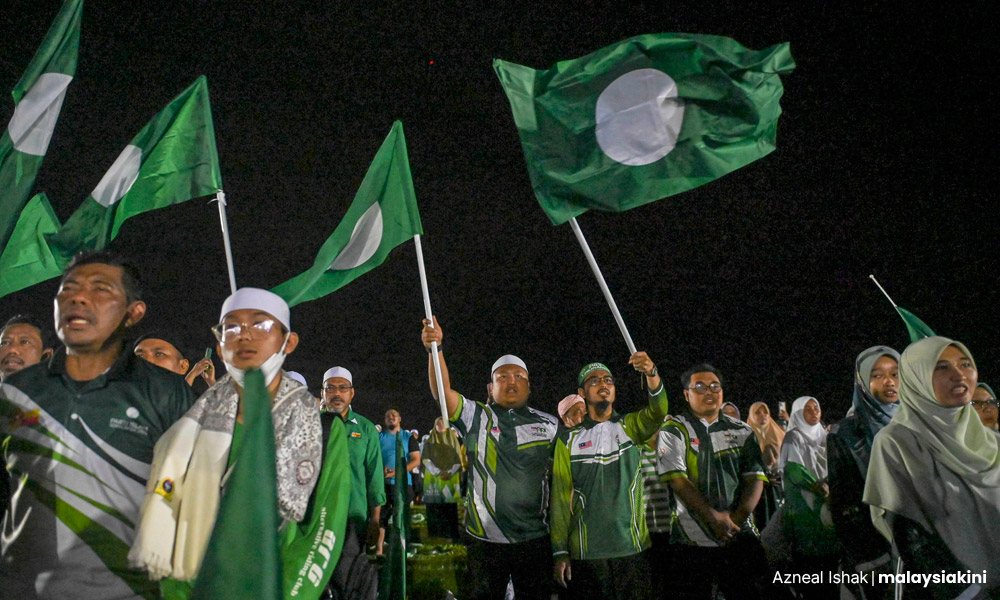
Anyway, it was the battles of Selangor and Perak in the 1870s which allowed for British intervention. This then led, arguably, to “stability”, “modern governance”, and economic development.
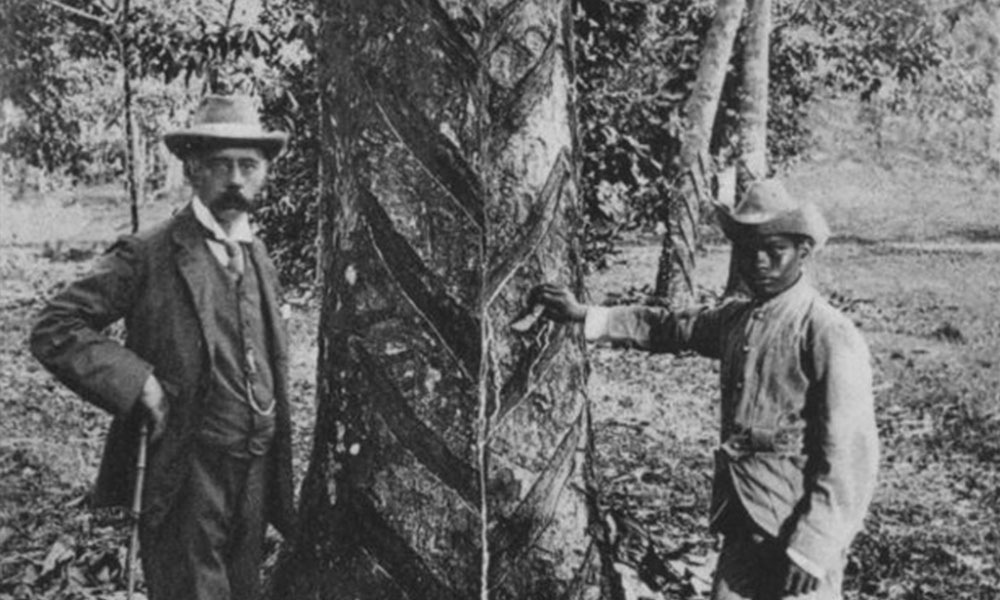
But just beneath this veneer of progress was the quasi-slavery and immense suffering (even deaths through disease) of Chinese tin miners and Indian rubber tappers/road builders, plus the neglect of Malay villagers. It didn’t help that British authorities encouraged the sale of opium and toddy to keep the natives lulled.
On the other hand, a good, strong ruler like Sultan Abu Bakar of Johor, with the help of Chinese immigrants, was able to bring about some modern development, without losing independence until 1914.
Longing for a better past?
Yes, the British did build Victoria Institution, Malacca High School, etc, while missionaries set up our La Salle, Convent, and Methodist schools. But we Malaysians have built many of our own schools since independence. Well done! But have we maintained equally high standards?
Our problem begins when the federal government ends up paying five times the original cost of building six new Universiti Teknologi Mara (UiTM) campuses. As PKR deputy president Rafizi Ramli revealed, this is due to dubious privatisation deals with certain companies. Does that sound like how the Indian taxpayers were forced to pay double the cost to British companies to build railways during colonial times?
Suffice to say, the merits and demerits of British colonial rule in Malaya are probably too complex for one short article. But perhaps it’s fair to say that we rather admired the British (at least, they were not as brutal as the Japanese during the war).
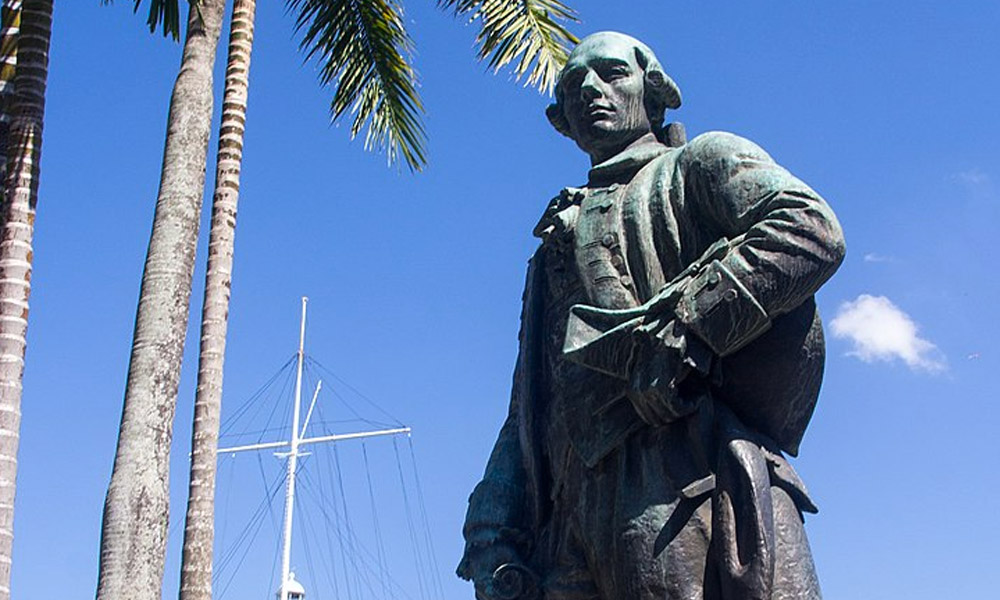
For example, the racial exclusion of British-only clubs was not despised. Instead, they became a social aspiration for local elites after Merdeka, keen to be “accepted” into “classy society”.
A Kathirasen of Free Malaysia Today recalls that the coronation of Queen Elizabeth in 1953 was celebrated in grand style for a week in Malaya. Many towns and villages tried to show their best with singing competitions, exhibitions, processions and parades plus “joget and keronchong parties”.
Kathirasen adds, “Over the years, as a journalist, I have met many senior citizens and they have always told me that although the British did come to Malaya to exploit its people and resources, the streets were safer and the civil service more efficient (and largely honest) during the British administration. This was the case, they said, even after the British left – but only until the 1970s.”
Whatever the sins of British rule, countries like India and Malaysia have been independent for too long to keep blaming the white men for our problems, be it lack of development or corruption.
For example, the New Economic Policy of 1970 was justified to resolve the inequalities of British colonial rule. Is that still valid in 2022?
The British always claimed to “bring civilisation” to “the natives” they ruled over. It’s up to us to prove that was a lie used to cover up their exploitation. That we can indeed build a great nation by ourselves, without having new jokers trying to exploit our fellow Malaysians.
ANDREW SIA is a veteran journalist who likes teh tarik khau kurang manis. You are welcome to give him ideas to brew at tehtarik@gmail.com.
The views expressed here are those of the author/contributor and do not necessarily represent the views of Malaysiakini.
/file/publisher-c1a3f893382d2b2f8a9aa22a654d9c97/2022/09/a4a8da8d51076560f6c2eb423db03f11.jpg)
/file/publisher-c1a3f893382d2b2f8a9aa22a654d9c97/2022/08/7189ab7ed4abfa89f3853b3c1a2ba5e1.jpg)
/file/publisher-c1a3f893382d2b2f8a9aa22a654d9c97/2022/09/2274ab3d69514999c40c08a6a21e0343.jpg)


Report this comment
Are you sure you want to delete this comment?
This action cannot be undone.