


/file/publisher-c1a3f893382d2b2f8a9aa22a654d9c97/2024/11/e833710d756baea106221afa61bf2078.jpg)

COMMENT | Strike on UN peacekeepers may shape regional politics
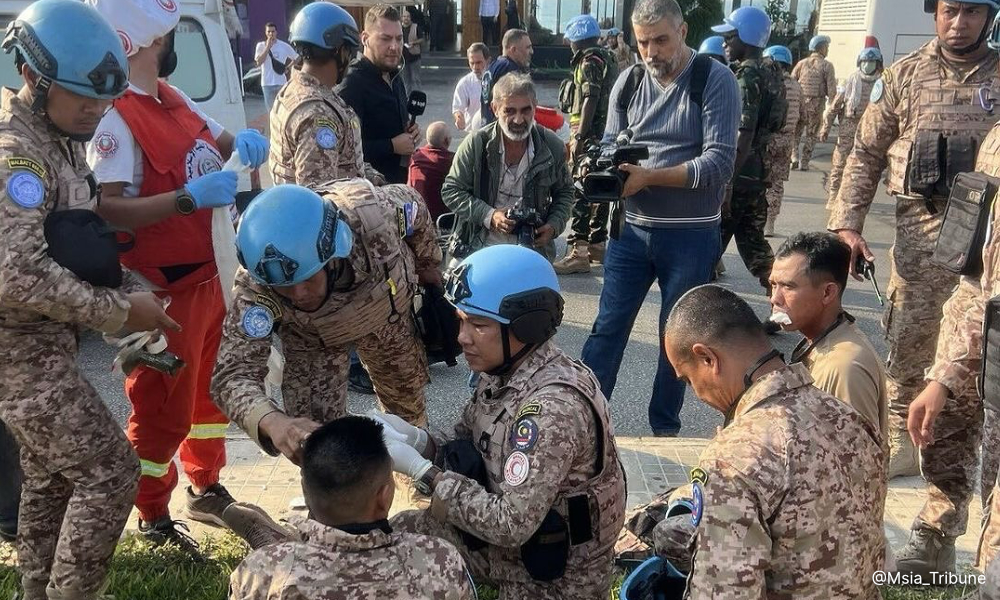
COMMENT | Last week’s Israeli strike near Sidon in southern Lebanon marks another calculated escalation of regional tensions, injuring six Malaysian Battalion (Malbatt) personnel deployed to the region.
The attack at a checkpoint killed civilian occupants of a vehicle, wounded three Lebanese soldiers, and damaged a Malbatt transport bus en route to Camp Marakah.
This incident continues a trend of operations showing diminishing regard for international law, raising mounting concerns about both the safety and effectiveness of UN peacekeeping missions in the increasingly volatile region.
COMMENT | Last week’s Israeli strike near Sidon in southern Lebanon marks another calculated escalation of regional tensions, injuring six Malaysian Battalion (Malbatt) personnel deployed to the region.
The attack at a checkpoint killed civilian occupants of a vehicle, wounded three Lebanese soldiers, and damaged a Malbatt transport bus en route to Camp Marakah.
This incident continues a trend of operations showing diminishing regard for international law, raising mounting concerns about both the safety and effectiveness of UN peacekeeping missions in the increasingly volatile region.
Malaysia is among the 40 countries, including France, Spain, Ghana, China, and the Republic of Korea, that have unequivocally denounced Israel’s recent series of attacks.
These include the particularly devastating airstrike on the United Nations Interim Force in Lebanon (Unifil) headquarters in Naqoura and residential areas in Beirut last October, which resulted in significant casualties among both peacekeepers and civilians.
These actions, Malaysia maintains, represent a severe breach of international law and established protocols for military engagement in areas with UN presence.
The Malaysian government is also actively urging decisive international action to end Israeli impunity and ensure strict adherence to Security Council resolutions.
Israel’s unprecedented strikes
The regional landscape shifted dramatically in September with an unprecedented “pager attack” that sent shockwaves through Lebanon and parts of Syria.
The operation, which was considered to be a major intelligence coup, targeted members and supporters of Hezbollah through a sophisticated infiltration of the pager’s upstream supply chain.
The coordinated strike culminated in the simultaneous detonation of thousands of walkie-talkies and pagers, leaving 39 dead and thousands injured in its wake, including children.
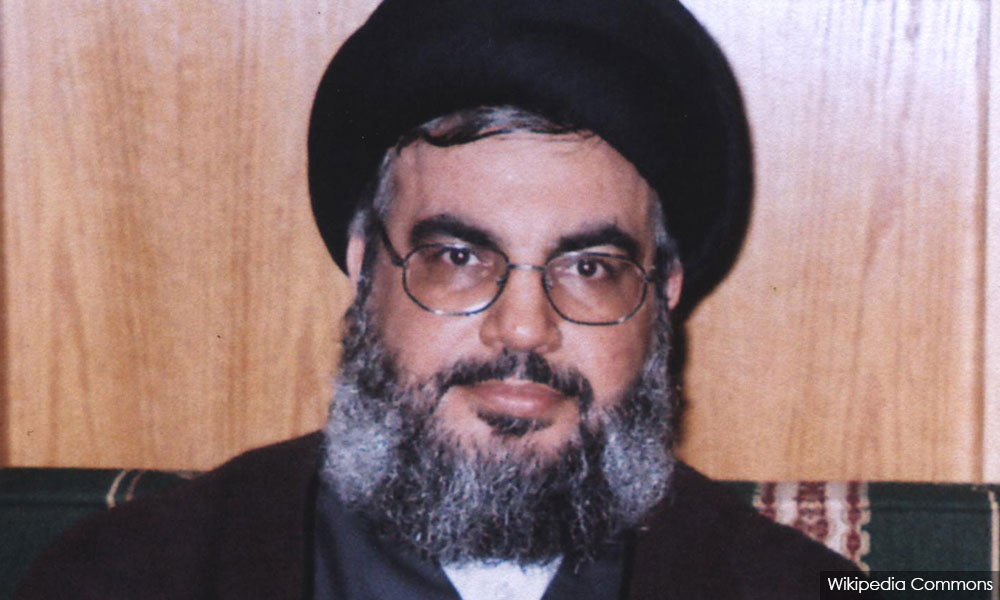
The hostilities further intensified with Israel’s subsequent airstrikes, most notably one that killed Hassan Nasrallah, the secretary-general of Hezbollah, along with several other senior Hezbollah members.
Israel’s follow-up ground offensive into southern Lebanon in early October not only challenged fundamental principles of armed conflict but also undermined Western officials’ assessments that Israel was pursuing a path of military restraint.
These military actions have raised serious questions about both the effectiveness and enforceability of UNSC resolutions, particularly regarding principles of armed conflict and proportionality in maintaining regional stability.
The gravity of these events reached a watershed moment this week on Monday when Israeli Prime Minister Benjamin Netanyahu broke sharply with historical precedent.
In a bold departure from Israel’s long-standing policy of maintaining strategic ambiguity regarding covert operations and assassinations, Netanyahu publicly acknowledged authorising the pager attack, a candid admission that signals a remarkable shift in Israel’s approach to regional conflict.
This revelation proved especially indicative coming from the heels of his dismissal Yoav Gallant, who as defence minister had consistently opposed Netanyahu’s vision for the campaign against Hamas.
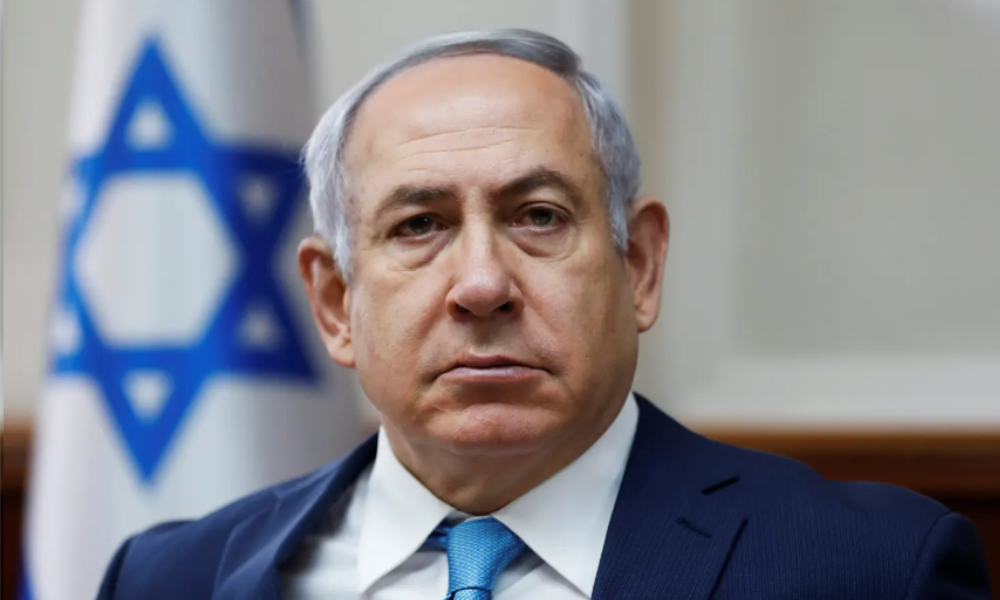
The timing of these developments highlighted the deepening political discord at the highest levels of Israeli leadership, with Netanyahu citing a “crisis of trust” as he swiftly replaced Gallant with his long-time loyalist, former foreign minister Israel Katz.
Whether this newfound boldness stems from Donald Trump’s recent second electoral victory in the US, with Trump being a steadfast supporter of Israeli policy, remains a matter of speculation.
The current condition stands in stark contrast to the intentions of UN Resolution 1701, which was established in 2006 as the primary legal framework to maintain stability between Lebanon and Israel.
This resolution outlined several key objectives: maintaining a ceasefire between Israel and Hezbollah, ensuring the withdrawal of Israeli troops, and establishing the exclusive deployment of the Lebanese Armed Forces and Unifil in southern Lebanon.
Additionally, the resolution demanded the disarmament of Hezbollah, reaffirmed Lebanon’s sovereignty, and strengthened Unifil’s mandate in securing the border and preventing further conflict.
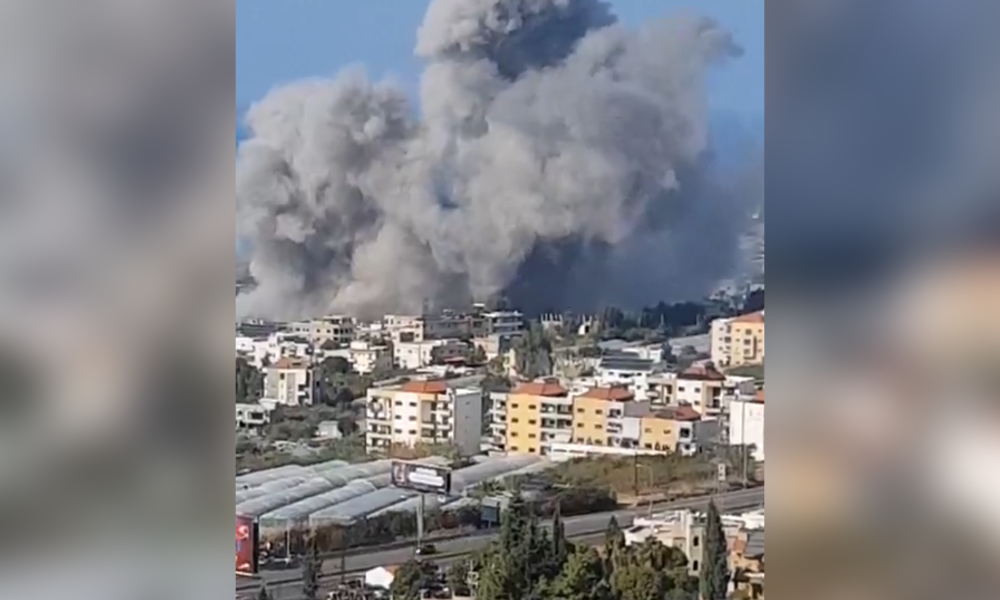
However, despite these clear directives, the region has witnessed periodic skirmishes, rocket fire, and retaliatory strikes, with both sides consistently accusing each other of violating the agreement over the past two decades.
The timing of the recent Sidon strike appears particularly significant when viewed against the backdrop of Malaysia’s heightened diplomatic activism on the Palestinian cause.
Under Prime Minister Anwar Ibrahim’s leadership, Malaysia has emerged as a key architect of an ambitious UN draft resolution that could have far-reaching implications for Israel’s international standing.
The resolution’s comprehensive scope, from potentially contesting Israel’s UN membership to seeking International Court of Justice (ICJ) opinions on activities in Occupied Palestinian Territories, represents one of the most substantial diplomatic rebukes of Israel’s current policies and regional operations.
The pattern of Israeli attacks on UN forces along the 120km Blue Line is particularly troubling, given the restrained response from its primary ally the United States, which risks fundamentally undermining the credibility of Western-led international institutions.
Opportunity for Russia, China
The latest assault on Malbatt represents a dangerous escalation, following Israel’s reported threats to Unifil and the previous strike on UN peacekeepers at the Naqoura outpost.
More critically, this steady degradation of UN peacekeeping forces’ protected status may risk creating a diplomatic vacuum, one that Russia and China appear eager to fill despite questions about their capacity to do so.
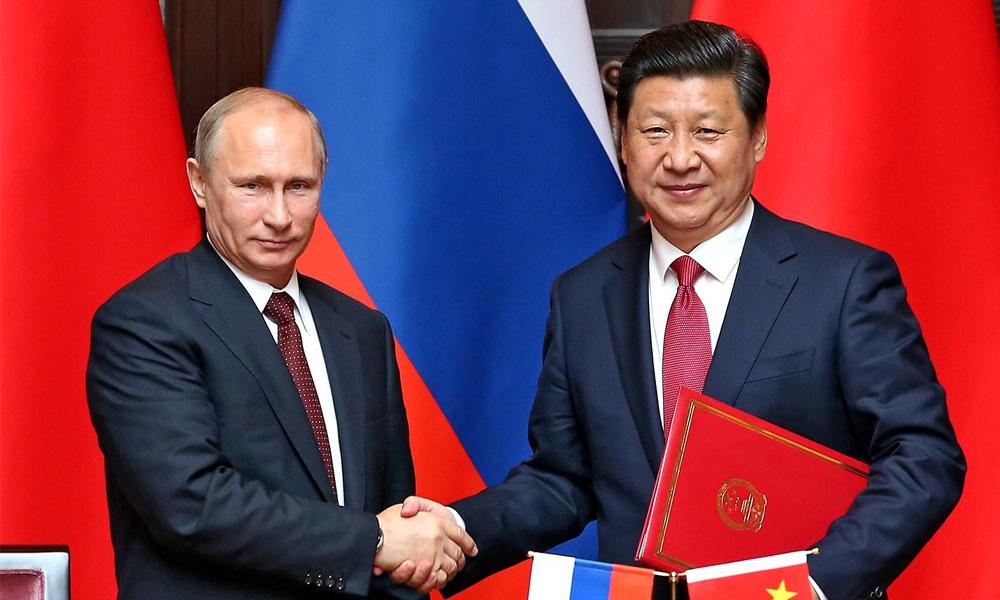
Both powers are attempting to position themselves as alternative guarantors of international stability, an especially appealing proposition for the so-called Global South nations that have grown increasingly sceptical of the current international order’s ability to protect their interests.
However, their ability to deliver on such security guarantees remains uncertain, particularly given China’s muscular approach to asserting its expansive sovereignty claims in the South China Sea.
The assault on Malaysian peacekeepers is especially significant in this context, as Malaysia embodies a strategic nexus of Islamic, Asian, and Global South interests.
Washington’s muted reaction to its ally Israel’s continued military operations and dismissal of international demands for a ceasefire, coupled with unchecked attacks on UN peacekeepers, has inadvertently bolstered rhetorics that powers like China and Russia serve as necessary counterweights in the international system.
Beijing and Moscow can effectively leverage this development to advance their vision of a “multipolar world order”, a narrative that resonates precisely because the current system’s principal architect appears unwilling or unable to maintain its foundational principles.
Malaysia’s bid to join Brics assumes heightened strategic significance in this context, especially as the prospect of Trump’s return to power suggests another period of his “America First” isolationism that could reinforce perceptions of the US as an unreliable partner prone to erratic foreign policy and trade decisions.
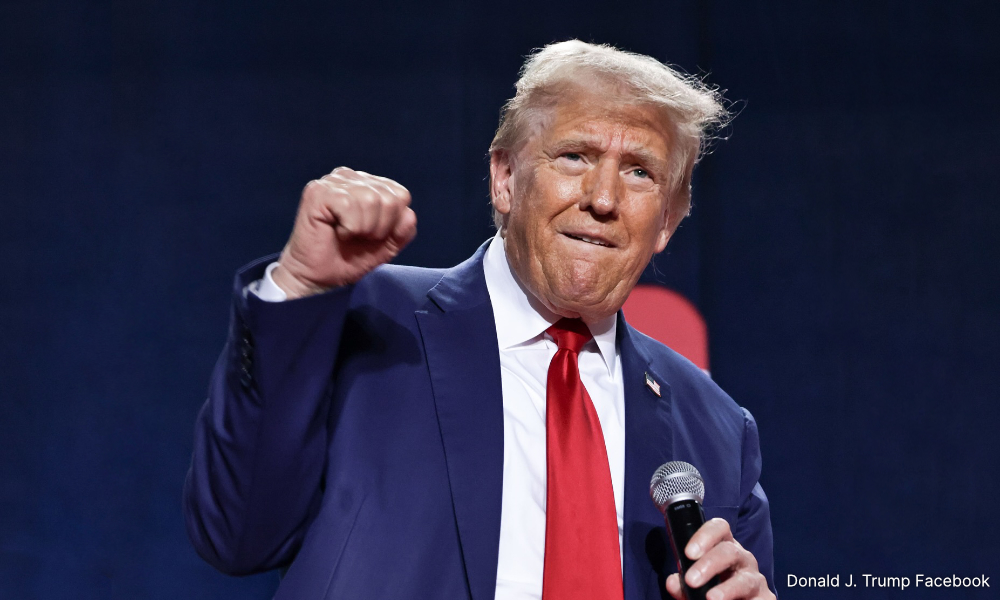
Anwar’s ongoing efforts to mobilise support for Palestine at the Arab-Islamic summit for UNRWA’s humanitarian operations demonstrate Malaysia’s commitment to pursuing multiple avenues of engagement.
These actions, combined with the broader diplomatic initiatives, suggest the recent strike near Sidon may have implications that extend far beyond immediate military objectives, potentially reshaping regional alliances and international power dynamics in ways that could have lasting consequences for the global security architecture.
MUNIRA MUSTAFFA is the executive director and principal consultant of Chasseur Group, specialising in emerging threats and non-traditional security challenges.
The views expressed here are those of the author/contributor and do not necessarily represent the views of Malaysiakini.
/file/1183/4bef6271d713b3a5ccc2f7e4e8939e29.jpeg)
/file/publisher-c1a3f893382d2b2f8a9aa22a654d9c97/2024/11/2cc174332046f5ffaa5109a9fccb245d.jpg)
/file/publisher-c1a3f893382d2b2f8a9aa22a654d9c97/2024/11/f4e3181d5faa07fbb21af329be68aeee.jpg)
/file/publisher-c1a3f893382d2b2f8a9aa22a654d9c97/2024/11/e833710d756baea106221afa61bf2078.jpg)
/file/publisher-c1a3f893382d2b2f8a9aa22a654d9c97/2024/11/86ad756d51e2ff3fa58ed4c4ad23515e.jpg)
/file/publisher-c1a3f893382d2b2f8a9aa22a654d9c97/2024/11/051d88702ef82fc90313e03e51f7b036.jpg)


Report this comment
Are you sure you want to delete this comment?
This action cannot be undone.