


/file/publisher-c1a3f893382d2b2f8a9aa22a654d9c97/2024/11/396d0df43c42a35e46c2b58307441e3f.jpg)

COMMENT | Inflation, Najib, race - likely M'sian takeaways from Trump win
COMMENT | It has been a week since Donald Trump was elected as the 47th President of the United States with a convincing victory, including sweeping all seven swing states with a relatively comfortable margin.
Every politician will have their own key takeaway points from the Trump victory and Kamala Harris’ loss, and each political party will have their own response towards this historic political event, including those in Malaysia.
Here are some of the likely takeaway points for the major coalitions and political parties in Malaysia including some points which would be the subject of discussion among leaders in certain parties but not publicly disclosed.
COMMENT | It has been a week since Donald Trump was elected as the 47th President of the United States with a convincing victory, including sweeping all seven swing states with a relatively comfortable margin.
Every politician will have their own key takeaway points from the Trump victory and Kamala Harris’ loss, and each political party will have their own response towards this historic political event, including those in Malaysia.
Here are some of the likely takeaway points for the major coalitions and political parties in Malaysia including some points which would be the subject of discussion among leaders in certain parties but not publicly disclosed.
It’s the economy, stupid
Firstly, for the parties in the Madani government, one of the key takeaway points would be the importance of inflation and the rise in the cost of living in the post-Covid era as one of the main issues causing the Democrats under outgoing president Joe Biden and vice-president Harris to lose support across almost all demographic groups.
This will put even more pressure on the key ministries and ministers in charge of the petrol subsidy targeting plan (Economy, Finance) that is expected to be rolled out in the middle of 2025.
If there are signs that the rollout will have negative political consequences, this plan may be postponed, perhaps indefinitely.
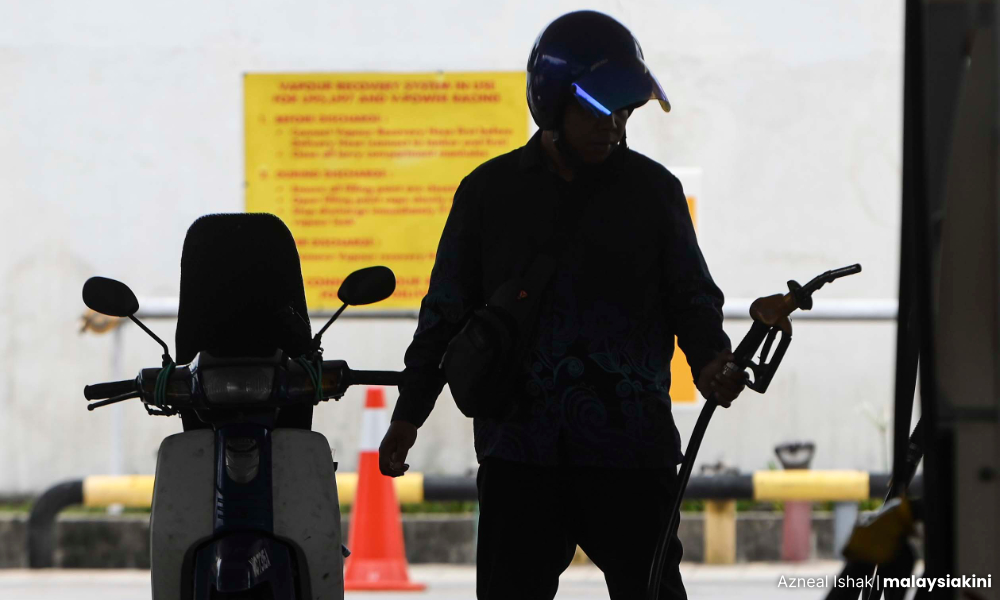
In addition, there will likely be more scrutiny paid to the translation of the encouraging foreign direct investment (FDI) figures into higher-paying jobs that benefit the country’s lower and middle classes.
The successful economic and job creation record of the Biden/Harris administration wasn’t felt enough “on the ground” in terms of wage growth that was higher than the inflation rate (or at least, that was the perception of many voters).
Diferrent party, different lesson
The leaders of Malaysia’s federal coalition government will also pay more attention to the public messaging of various government narratives and initiatives. Biden did not “expose” himself enough to showcase the track record of his own administration through initiatives such as the Chips Act and the Inflation Reduction Act (IRA).
In contrast, the challenge with the Madani government is perhaps “overexposure”, where the messages being communicated by the prime minister and some ministers are not consistent or convincing, including in important areas such as good governance and transparency.
On the part of Umno/BN, there will be some leaders and even grassroots members who will look at Trump’s victory and consider the possibility that former prime minister Najib Abdul Razak (or Bossku) presents the best opportunity for the party and the coalition to return to a more dominant position of power.
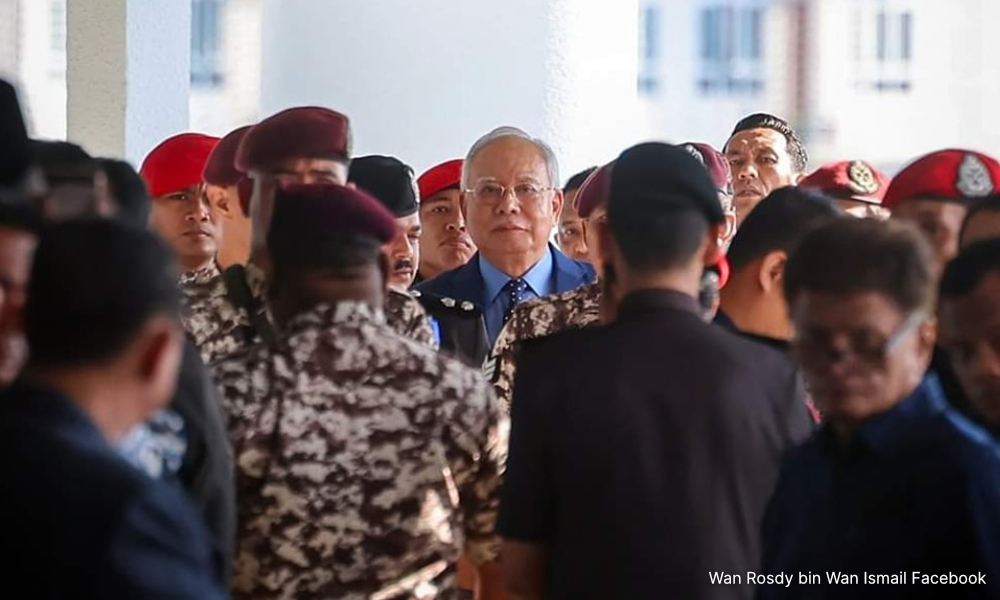
This will mean continued pressure on Umno president Ahmad Zahid Hamidi to try to free Naijb from his current charges and to receive a royal pardon before the next general elections.
While the likelihood of this happening is small, Trump’s return to power will continue to be used as a reference point for Najib’s supporters, of which there are many within Umno, especially at the grassroots level.
On the part of Perikatan Nasional, Trump’s strategy of appealing to his base as his pathway to victory will embolden them to double down on their own political strategy of appealing mostly to their Malay base by using the narratives of race and religion against the parties in the Madani government.
If they are lucky, if the economy takes a turn for the worse just before the next general election, and if the Madani government fails to execute properly some of its key policies, PN may even get some protest votes from its non-traditional support base, including some non-Malay voters in the urban areas. Or at least, this is where PN’s thinking may lie.
Communication and succession
PN leaders would also have noted that even though much of Trump’s mainstream media coverage was negative, the president-elect’s campaign and his supporters used alternative channels to reach out to many disaffected and on-the-fence voters.
PN would see many similarities between Trump activists and their own supporters who regularly flood TikTok, WhatsApp, and other social media platforms with their own anti-Pakatan Harapan and anti-Umno/BN content that can be easily shared and made viral.
Perhaps as important as the key takeaway points that may be communicated publicity by the political leaders of different parties in Malaysia are the key takeaway points that are not publicly discussed.
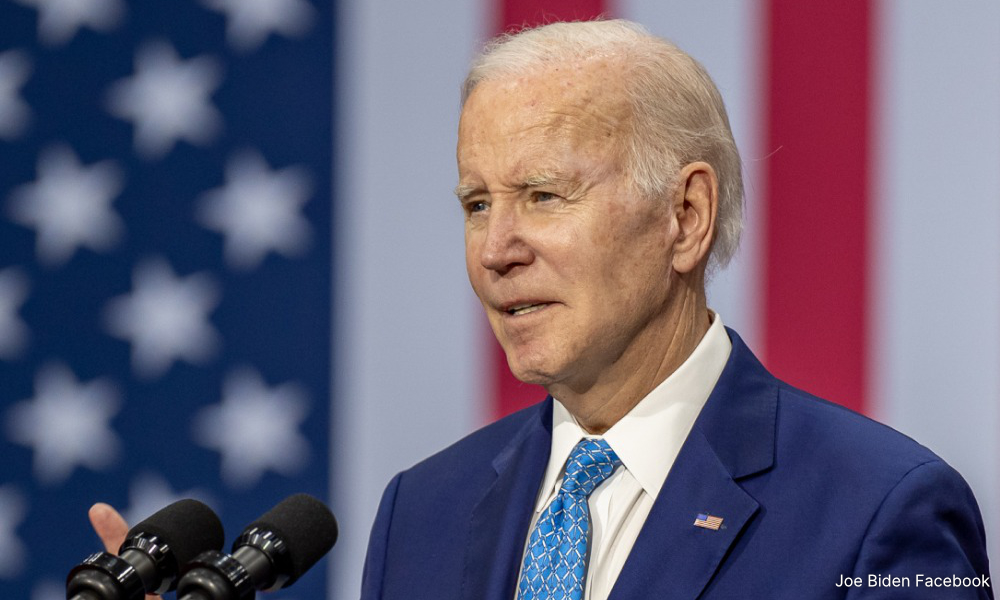
For example, the question of Biden’s age was regularly used as a campaign issue by Trump before he dropped out of the race. Biden is 81 this year during the final year of his presidency. Anwar Ibrahim, who is 77 this year, will turn 80 in August 2027, which is around the time when the 16th general election will be held.
Although Anwar is showing himself to be a much more energetic and “fit” leader compared to Biden’s performance on the debate and campaign trail, questions about who will succeed the prime minister or who will step up to the plate in case something happens to him is an issue which many in Harapan are thinking about but would not dare voice out publicly.
Will the failure to address the succession issue affect Harapan in ways similar to how Biden’s failure to find a successor earlier and to make way for him/her affected Democrats in the 2024 elections?
The question of succession is not only being discussed among Harapan parties. Leaders and grassroots members are asking the same question in Umno, where Zahid’s health and performance have been quietly questioned.
PAS is also facing similar succession questions in the midst of various possible contenders to replace president Abdul Hadi Awang.
In Bersatu, although the line of succession from president Muhyiddin Yassin to new deputy president Hamzah Zainudin is a bit clearer after the recent party elections, it remains to be seen if PAS can accept the latter as PN’s head. (The answer, for now, is a likely “no”).
While Trump’s direct impact on Malaysia will likely be economic, we must not discount the indirect impact of his presidency as a reference point to the thinking and actions of various politicians and political parties in Malaysia.
ONG KIAN MING is former Bangi MP and former deputy international trade and industries minister.
The views expressed here are those of the author/contributor and do not necessarily represent the views of Malaysiakini.
/file/1191/a2956d4b8994d96944e5e912c6c19c47.jpeg)
/file/publisher-c1a3f893382d2b2f8a9aa22a654d9c97/2024/11/e8091cd3768a58209338e97d6b36543f.jpg)
/file/publisher-c1a3f893382d2b2f8a9aa22a654d9c97/2024/11/97f04d89e610fa79e613b13c157c2ffe.jpg)
/file/publisher-c1a3f893382d2b2f8a9aa22a654d9c97/2020/10/c18473232beefad46a426bd9888dd5c5.jpg)
/file/publisher-c1a3f893382d2b2f8a9aa22a654d9c97/2024/07/e96d58cd5da6864564c4496e717271d4.jpg)
/file/publisher-c1a3f893382d2b2f8a9aa22a654d9c97/2024/11/41e688e6d3f8e4fdc561af69c63d9d0a.jpg)


Report this comment
Are you sure you want to delete this comment?
This action cannot be undone.