


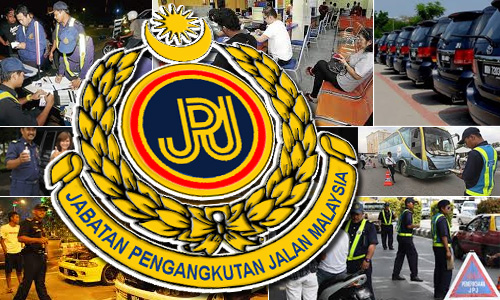

It is enforcement, stupid
I welcome the transport minister’s order to install speed limiters on all express buses. According to him, this ruling was made two years earlier but enforcement was not fully carried out.
It is unfortunate that this order was directed after fatal accidents involving express buses have occurred. However, it is better late than never, given the precarious nature of our public transportation.
Ultimately, everything is pivoted around enforcement. Speed limiters with poor enforcement are as useless as not having no speed limiters.
I believe our public transportation system is not lack of rules, regulations, standards and gadgets governing its safety. Express bus drivers are required to pass health checks. Buses are required to go through vehicle inspection. We have traffic rules governing speed limits and careless/reckless driving.
We have also provided avenues for the public to complain to the authorities on violations of express buses. But why does nothing seem to work, while serious accidents continue to happen unabated?
If bus drivers are mandated to go through health checks, why are there so many of them failing urine tests?
If buses are required to go for regular inspection, why are safety standards not maintained?
If we have issued summonses to drivers and express bus companies for violations, how can they continue operating without settling the summonses for years? Instead of being hauled up, many of the offenders are in fact waiting for the authorities to give them a discount to settle the summonses.
I tried before to perform my public duty. I called the telephone numbers (stated on the express bus by regulation I believe) to report reckless express buses plying our highways. What I got was unanswered calls or SMSes.
I think we have had enough regulations, rules and gadgets. What we need is a corruption-free enforcement system that is relentless in its pursuit of violators and a punishment system that is imminent and real.
If corruption is rampant, everything is compromised, including vehicle inspection, health checks, and adherence to traffic rules and regulation.
When enforcement is irregular and rare in between, I think no one is going to respect the rules much. Enforcement should be an everyday affair, not just during festivals or holiday seasons. Only relentless enforcement will lead to behavioural change.
Enforcement must provide real and imminent punishments. Violators must be made to face the consequences within a specific timeframe regardless of their status and position. When violators could wait for discount of summonses issued to them, it is a reflection enforcement failure. It ‘devalues’ the significance of the summonses issued, rendering them useless as deterrents to bad behaviour.
So it is enforcement, enforcement and enforcement - an enforcement system that is corruption-free, relentless and provides imminent and real punishment and deterrent to the offenders.


Are you sure you want to delete this comment?
This action cannot be undone.