


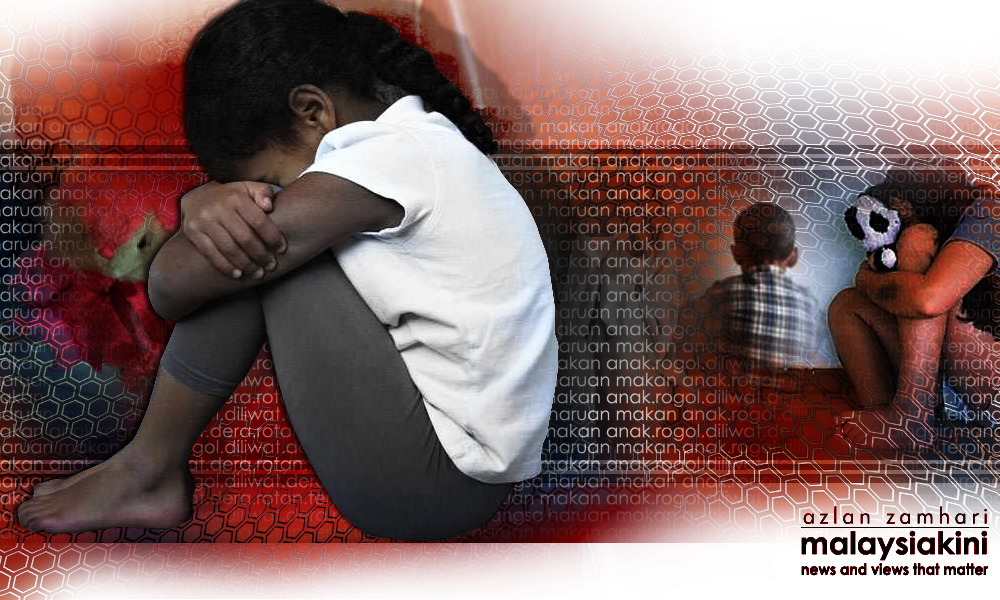

Unicef hails proposed Child Sexual Crimes Bill
Unicef welcomes the recent announcement by Minister in the Prime Minister’s Department Azalina Othman on the proposed Child Sexual Crimes Bill.
As a result of efforts by Yang Berhormat Azalina and the Taskforce for Sexual Crimes against Children, the draft legal framework for a bill is another step forward for child rights in Malaysia as it reflects the commitment of the government and its partners to strengthen the criminal justice system in response to the horrific cases of child sexual abuse and exploitation that have emerged over the past years.
What is especially noteworthy is the proposed Bills’ inclusion of child online protection, with a focus on curbing the practice of grooming, which has become a worrying trend in recent years as the country’s digital footprint increases.
We also applaud the commitment of Yang Berhormat Azalina to expedite cases of sexual crimes against children and her proposal to promote the specialization of justice sector professionals, such as judges and prosecutors with specific expertise in sexual crimes against children. Such a move is especially important to minimize the trauma experienced by a child victim.
Over the past few months, notable progress has been made to build greater consensus on the need to strengthen the legislation with the aim to reduce risks of sexual abuse children in Malaysia are exposed to on a daily basis.
In drafting the law itself, we must ensure that the full range of physical contact offences and ‘non-contact’ offences are encompassed. For instance, engaging in sexual acts in front of a child, inducing a child to touch him/herself in a sexual manner or inciting or facilitating a child to perform a sexual act should also be considered as offences, which can be used against those who participate in ‘on-demand’ or on-line streaming of child sexual abuse.
While strengthening legislative framework on sexual crimes against children in Malaysia is essential, laws alone, however, are not enough to keep children safe online and offline. What are also needed are mechanisms to implement and enforce such laws; and services to provide support to victims; and an environment that enables children to recognize and report sexual abuse when it happens.
Sound legislation must be supported by a coordinated response. Altogether, criminal justice systems, law enforcement mechanisms, payment gateways, civil society organisations and private companies from the child welfare, education, health, and technology sectors can and should contribute to a stronger child protection environment in the country itself.
This includes strengthened measures to protect child victims of abuse and violence and ensure that they get the care and support they need to rebuild their lives as well as providing education and awareness programmes including sexual and reproductive health for children, young people and parents.
The fast-changing digital landscape in Malaysia brings ever-changing risks to children. Therefore, another critical component is to ensure that all stakeholders, including enforcement officials, social workers, the judiciary and other justice sector professionals have the requisite knowledge and skills to carry out their duties in protecting children.
To that end, Unicef in Malaysia has been involved in strengthening the capacity of the judiciary, the police, prosecutors, the legal fraternity and other key stakeholders through capacity building initiatives on child protection and child justice over the past three years.
In the light of its global experience in developing comprehensive child protection laws, Unicef welcomes the opportunity to be involved in the process of drafting the new bill and stands ready to offer additional technical expertise to further support the government’s efforts.
Throughout this process, we also call for a continuous and broad consultation process with local and international partners in Malaysia. Such sustained dialogue is crucial to ensure that legislation on child protection is not just aligned with local contexts and needs, but also with existing international legal frameworks such as the Convention on the Rights of the Child and its Optional Protocols, which Malaysia is a party to.
MARIANNE CLARK-HATTINGH is Unicef representative in Malaysia.


Are you sure you want to delete this comment?
This action cannot be undone.