



Water operators should be more careful during floods
As this article was written, the flood situation in Terengganu has already improved with the decrease in number of evacuated people to about 8,300 yesterday morning. The day before, the number of evacuees reported in Terengganu was 12,910 from 3,550 families.
Meanwhile, the flood situation in Kelantan worsened. The total number of evacuees increased to 14,132 yesterday from 10,041 the day before. Currently, they are housed at 53 flood relief centers in seven districts.
East Malaysia is also not spared from the disaster this time. In the northern Pitas district of Sabah, seven primary schools were already closed due to the floods that occurred just overnight. The rain that started from 10pm on Wednesday night caused 10 villages in the district to be flooded.
Fret not. As Malaysians experience floods every year, their tolerance towards the disaster has also increased. We can see many flood relief centres being opened to accommodate evacuees. The distribution of supplies and aid also was handled more effectively as we have not yet heard any complaints about it.
Furthermore, after the great flood in 2014, the government has taken tremendous action by establishing the National Disaster Management Agency (Nadma) to coordinate government agencies in tackling disasters. This action helps to ease the problem of congestions and red tape in the preparation of relief centres and the distribution of aid.
In the meantime, the basic needs of the flood victims at the flood relief centers should not be neglected. Among them is potable water and sanitation.
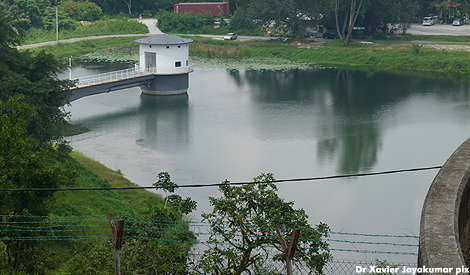
As the flood increased the water levels of the rivers, they also increased the waterborne waste. Water operators in affected areas should be more careful to monitor their water treatment plants during this time. This is because the processed water might become contaminated. Last year, the polluted river in Selangor had caused the water treatment plants to stop operation
Besides, as reported by Air Kelantan Sdn Bhd (AKSB), the water treatment plant at Merbau Chondong has already stopped operations last week. It is believed to be caused by stagnant water due to the heavy rain.
Moreover, water operators also should not overlook the possibilities of power failure that will cause the water treatment plant to stop operations. At Tanah Merah, Tenaga Nasional Berhad (TNB) has just announced that they will provide four mobile power generators to prepare for power outages during the floods.
In conclusion, all parties should work together in the face of disaster and provide any means of help for the victims. Though we cannot replace what they have lost, we should at least provide them with their basic needs.
MOHAMMAD HAFIZZ DZULKIFLI is policy and communication executive, Forum Air Malaysia.


Are you sure you want to delete this comment?
This action cannot be undone.