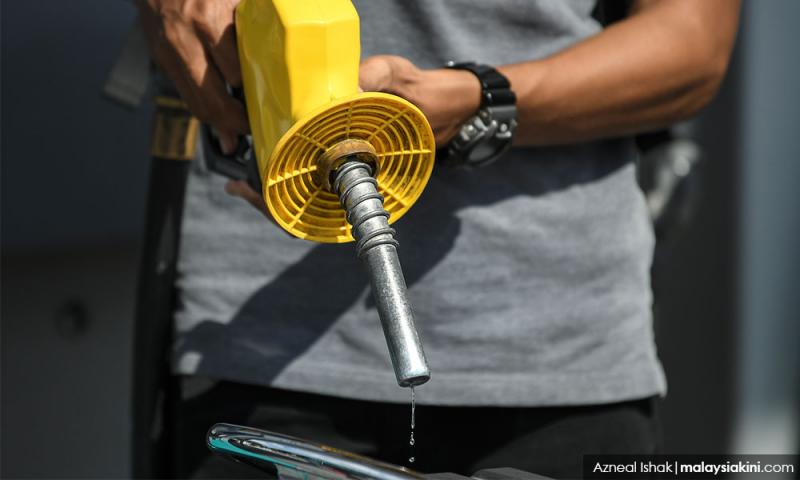

LETTER | The current discussion surrounding fuel subsidy rationalisation must be approached with caution, fairness, and a clear understanding of the realities faced by ordinary citizens.
At a time when global oil prices remain volatile and unpredictable, oil subsidies must remain in place. Any sudden removal or reduction of subsidies would disproportionately affect workers, lower-income households, and the middle class - many of whom are already struggling with rising living costs.
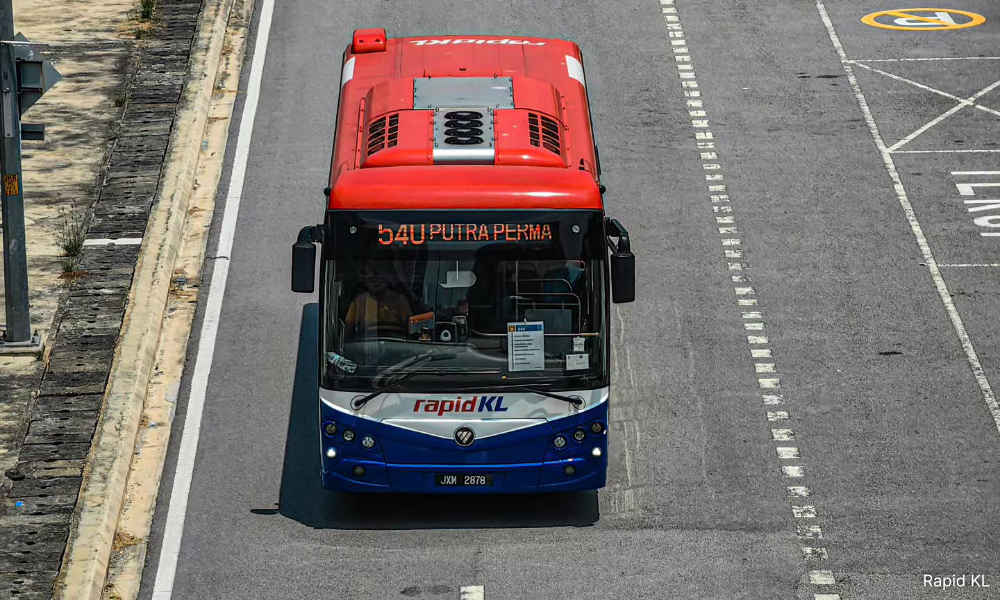
Before any meaningful subsidy rationalisation can take place, Malaysia must first establish a robust and accessible public transportation system.
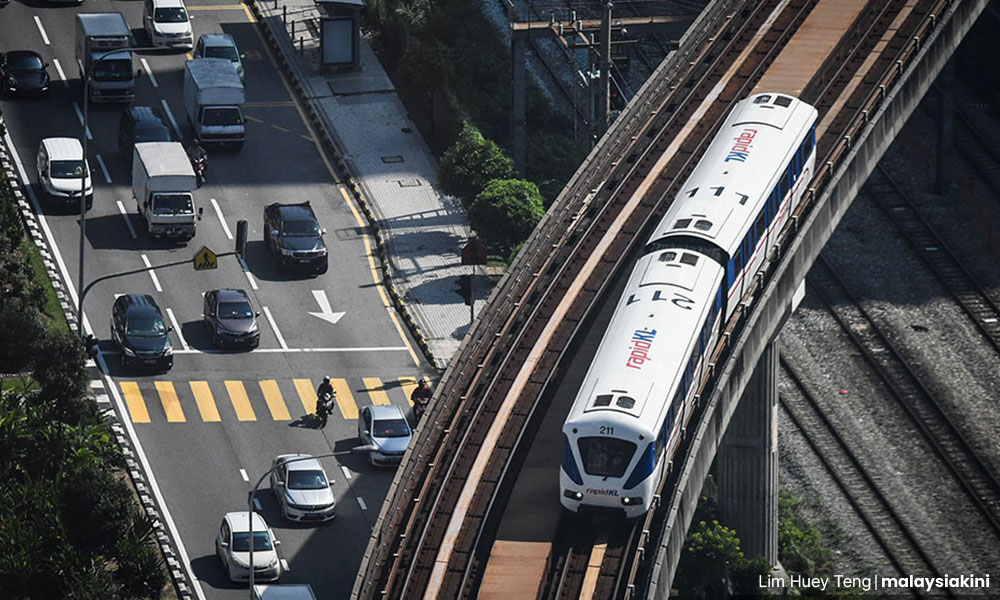
This requires a conscious national shift toward public transport, including measures such as free train services, free feeder buses, and major investments to improve accessibility, connectivity, and reliability across both urban and semi-urban areas.
Only after these structural improvements are implemented can the government begin discussing a phased removal of fuel subsidies.
Such a process should prioritise equity by targeting luxury vehicles, larger engine capacity cars, and high-end non-national vehicles.
Subsidies could also be restructured into direct cash transfers to vehicle owners, identified transparently through existing road tax records.
The ‘wealthy’ and their challenges
However, even proposals to remove subsidies for the so-called “wealthy” require scrutiny. The government must first accurately define and identify who qualifies as wealthy.
For example, many workers commute long distances from towns such as Nilai to Kuala Lumpur due to housing affordability issues.
Their fuel consumption may be high, but this does not necessarily mean they are financially comfortable. The middle class, in particular, cannot simply absorb a sudden doubling of petrol costs without severe consequences to household finances.
In the interim, broader structural reforms are necessary. These include stronger work-from-home (WFH) policies to reduce commuting burdens and emissions, as well as the introduction of wealth and inheritance taxes to ensure that fiscal responsibility is shared more fairly by those with the greatest capacity to contribute.
Moreover, the existing capital gains tax should be expanded to include listed shares, in addition to increasing corporate taxes.
At the same time, regressive taxes on ordinary people, such as the goods and services tax, should be held off until after the implementation of revenue generation from the super-rich and capitalist class.
We must view taxation as a means to balance the scales between the powers of labour and capital.
Fuel subsidy reform cannot be treated merely as a budgetary exercise. It must be part of a wider social and economic transformation that protects workers, reduces inequality, and expands public mobility for all.
Writer is PSM’s head of policy research bureau.
The views expressed here are those of the author/contributor and do not necessarily represent the views of Malaysiakini.