




Suaram: Halt repatriation of 17 refugees
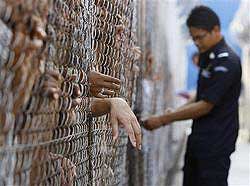
Human rights NGO Suaram has urged the government to stop the repatriation of some 17 Sri Lankan ‘asylum seekers and refugees’, who claim to fear persecution in their home country.
Human rights NGO Suaram has urged the government to stop the repatriation of some 17 Sri Lankan ‘asylum seekers and refugees’, who claim to fear persecution in their home country.
In a statement today, Suaram coordinator Temme Lee said Malaysia is planning to deport the group over two days from Thursday.
It said the Sri Lankans were transferred yesterday from Machap Umboo immigration detention centre in Malacca to the KLIA immigration detention depot, in preparation for deportation.
 “This is a repatriation exercise by the Malaysian government,” claimed Lee, pointing out that refugees can only be sent home on voluntary basis.
Suaram demanded that the government respects the international law of non-refoulement , which prohibits the return of people to places where they may face persecution or threats to their life or freedoms.
It also said the group should be given immediate access to United Nations High Commissioner for Refugees. Once they are verified to be refugees, they should be released into the commissioner’s care.
Officer ‘unaware’ of move
When contacted, immigration principal deputy director of enforcement, Kamroldin Hitam, said he was not aware of the deportation of this group.
He explained that each detention centre makes arrangements for deportation whenever the immigration court hands down a conviction.
 “We do not deport refugees who carry the UNHCR card as they have been certified (as refugees) and (are entitled to) receive protection from (the immigration department),” he added.
However in a later development, assistant deputy director of the KLIA detention centre Shainurin Shaari said he received instructions to hold the deportation of these 17 refugees.
"We received a directive from the immigration director-general's office today to postpone the deportation until a later date. However, I have not been briefed as to the reasons why it has been stopped," he said.
Refugee issues in Malaysia have been increasingly highlighted in recent years as more asylum seekers from neighbouring shores flock to the country.
NGOs and the media have reported that they are vulnerable to rampant abuse by the authorities, prolonged detention and human trafficking.
Lack of recognition and protection from the government has further exposed them to various forms of abuse.


Are you sure you want to delete this comment?
This action cannot be undone.