




Watchdog: Don't allow follow-up GM mosquito trials
The Malaysian government should not allow follow-up trials for genetically modified (GM) mosquitoes in populated areas, as it would pose unnecessary risks to its inhabitants, said a UK-based GM watchdog.
The Malaysian government should not allow follow-up trials for genetically modified (GM) mosquitoes in populated areas, as it would pose unnecessary risks to its inhabitants, said a UK-based GM watchdog.
This is especially in view of the poor results of similar trials in the Cayman Islands, said GeneWatch UK director Helen Wallace.
“(The GM mosquito’s developer) Oxitec’s poor results from the Cayman Islands and Brazil raise an even more worrying concern because partially effective interventions can actually make the incidence of the more severe form of dengue (dengue haemorrhagic fever) worse,” she said.
This is because people may lose cross-immunity to different types of dengue viruses if the number of mosquitoes is only partially reduced, she told Malaysiakini last week when contacted by email.
 Her comments follow the publication of the Bentong GM mosquito trial results last month, which found that cross-breeding the GM mosquitoes with a local strain had not adversely affected its fitness. The researchers also mooted following up the trials in a populated area in Malaysia.
The results of the Oxitec’s GM mosquito trials in the Cayman Islands were published later in this month’s issue of Nature Biotechnology as a letter to the editor, where it claimed an 80 percent reduction in the wild mosquito population compared to an untreated area.
This involved the release of up to 14,000 GM male mosquitoes per hectare per week, causing locals to complain of the nuisance and Oxitec to reduce the numbers, and release a portion of them as pupae rather than adults.
However, GeneWatch countered that Oxitec had no clear basis for such claiming the huge drop, and the release of mosquito pupae spaced between 70 to 90 metres from each other was not a practical method of reducing its population.
‘Claims should be treated sceptically’
Wallace cautioned that since Oxitec is trying to promote its products, its claims should be treated sceptically, even in a scientific paper.
In her correspondence with Malaysiakini , she also pointed out that the Malaysian government regulator Genetic Modification Advisory Committee (GMAC) had also identified a number of issues that need to be considered before further trials.
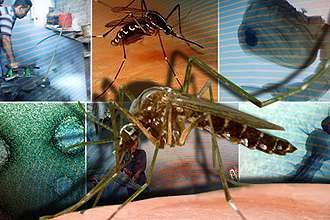 These include the fact that the Aedes aegypti mosquitoes would simply be replaced by another dengue-transmitting mosquito, the Asian Tiger mosquito, and the possibility of accidentally releasing female GM mosquitoes due to poor sorting (only female mosquitoes bite humans).
“It is also unclear whether the GMAC was aware of an internal Oxitec document which shows that its GM mosquitoes had a 15 percent survival rate when fed on cat food containing chicken contaminated with (the antibiotic) tetracycline.
“Exposure to tetracycline in the environment could mean more GM mosquitoes survive and breed,” she added.
Oxitec had responded in a press statement in January that they had previously conducted a dose-response study with widely used antibiotics, and found that there was not enough tetracycline in the environment to ensure the mosquitoes’ survival.
The GM mosquitoes, dubbed OX513A or OX513A-MY for the Malaysian strain, are designed to die prematurely unless bred in presence of tetracycline.
When asked how Malaysia can improve its regulation of GM organisms, Wallace said Malaysia is already acting more responsibly than the other two countries that conducted the GM mosquito trials - Cayman Islands and Brazil - because it did consult NGOs and started with a small trial under strict conditions.
“But it (Malaysia) should now re-examine Oxitec’s science very carefully and publish its full application (to conduct the trial) for proper scientific scrutiny.
“Oxitec cannot deliver the claimed benefits, so a further trial is not worth the risks,” she said.


Are you sure you want to delete this comment?
This action cannot be undone.