




Anti-cyanide group's findings suspect, says ministry
A pressure group’s findings linking the use of cyanide in the Raub gold mining operations to skin ailments among residents in the vicinity, have been deemed ‘suspect’.
A pressure group’s findings linking the use of cyanide in the Raub gold mining operations to skin ailments among residents in the vicinity, have been deemed ‘suspect’.
 The Health Ministry has found that the methodology used by the Ban Cyanide Action Committee (BCAC) Raub “is too general”, according to Deputy Minister Rosnah Abdul Rashid Shirlin
(left)
.
The Health Ministry has found that the methodology used by the Ban Cyanide Action Committee (BCAC) Raub “is too general”, according to Deputy Minister Rosnah Abdul Rashid Shirlin
(left)
.
She told the Dewan Rakyat during Question Time today that the ministry had sought clarification from the BCAC at meetings.
“The ministry asked them to explain their finding that 78 percent of skin ailments by residents are due to exposure to cyanide. We found that their methodology was too general. As such we questioned their findings,” she said in reply to Hee Loy Sian (PKR-Petaling Jaya Selatan).
As such, Rosnah said the ministry has proposed a joint study with BCAC to get to the root of the problem.
She said the group has agreed that the study will be based on scientific methods and epidemiology.
BCAC-appointed experts and health officials will develop the methodology and run the study together.
"Accusations that we are not transparent and do not take this seriously do not arise," she noted.
 However, she said the study has yet to begin because the group has not been able to appoint its experts even after four months.
As such, the ministry will proceed with the study on its own if needs be.
It has submitted its preliminary study framework to the BCAC, and has asked the World Health Organisation for technical help to ensure the research is scientific and meets international standards.
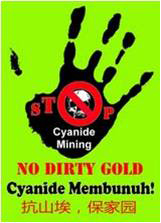
The BCAC has been campaigning against the gold-mining operations in Bukit Koman, claiming that the use of cyanide is creating a multitude of health problems for residents.


