




MACC: Amend evidence laws to fight major corruption
The country's laws on evidence need to be loosened to help the Malaysian Anti-Corruption Commission (MACC) haul major and high profile corruption cases to trial, MACC's head Abu Kassim Mohamed has said.
The power to prosecute offenders is secondary, as MACC's own studies show that difficulty in gathering evidence is the weak point in the fight against corruption, Abu Kassim said in an interview published by Sinar Harian today.
The country's laws on evidence need to be loosened to help the Malaysian Anti-Corruption Commission (MACC) haul major and high profile corruption cases to trial, MACC's head Abu Kassim Mohamed has said.
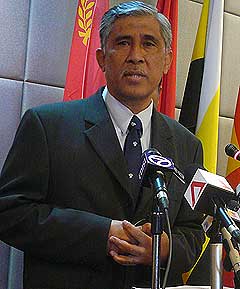 The power to prosecute offenders is secondary, as MACC's own studies show that difficulty in gathering evidence is the weak point in the fight against corruption, Abu Kassim (left) said in an interview published by Sinar Harian today.
"The law that we have now needs a third party witness to the act of bribery, besides confession from the giver or receiver of the bribe," Abu Kassim is quoted saying. "Without this, the case cannot be brought to trial."
He said that without a change in the law, even prosecution powers would not have much use for the MACC.
This requirement for an independent witness made the country's evidence standard even higher than that of Hong Kong.
Kassim said the MACC has tried to fortify its evidence gathering process by video recording confessions and not just getting written statements and this was being tried out in the courts.
Changes to the law are in the process, Abu Kassim added, and he suggested that these include a law for reporting on corporate liabilities to help detect companies allocating funds to pay a bribe in return for getting a project.


Are you sure you want to delete this comment?
This action cannot be undone.