


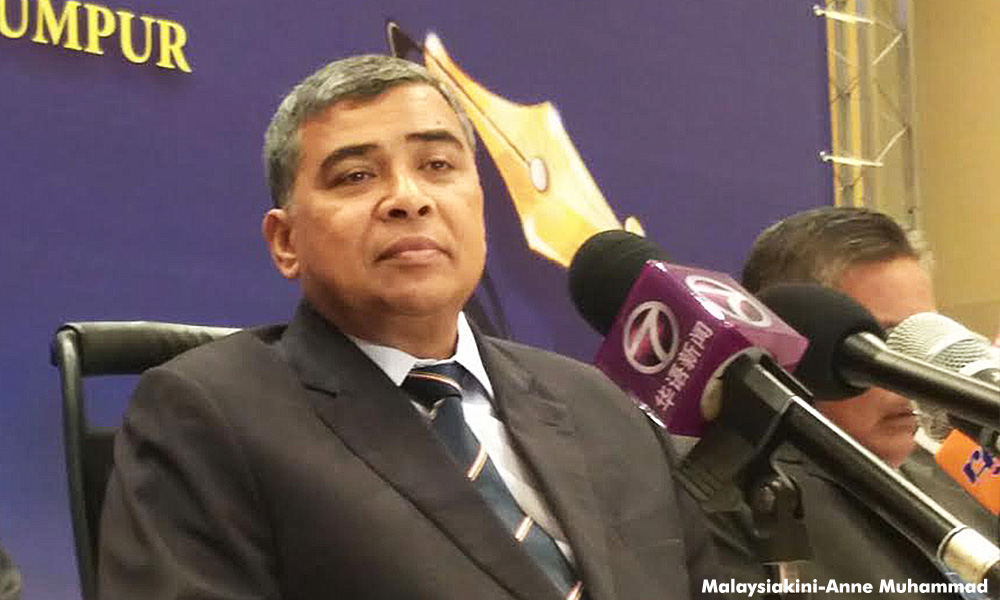

IGP: We won't snoop on all WhatsApp messages
The police will not snoop into people's WhatsApp messages but would instead monitor those who abuse social media platforms which threaten national security.
Inspector-general of police Khalid Abu Bakar said this following an uproar from those who are opposed to police spying against private messages.
"We are not going to read all the messages; what I meant to say is that we will monitor any abuse (of social media) which threatens national security," he said.
The police will not snoop into people's WhatsApp messages but would instead monitor those who abuse social media platforms which threaten national security.
Inspector-general of police Khalid Abu Bakar said this following an uproar from those who are opposed to police spying against private messages.
"We are not going to read all the messages; what I meant to say is that we will monitor any abuse (of social media) which threatens national security," he said.
Khalid said yesterday that the police have no choice but to step up efforts to monitor social media, including WhatsApp, as Internet users have abused the platform by making insensitive comments.
In response, Persatuan Kesedaran Komuniti Selangor (Empower) has accused the police of spying on private communications between individuals, a violation of the rights to privacy.
Empower also reminded the top cop that WhatsApp is not a social media platform, but an instant messaging application.
Khalid, however, made no promise that the cops would not snoop into private conversations through instant messaging platform.
The police would monitor the social media within the legal means, he said, without pointing out how the cops would do so.
"There is no need for us to reveal (how we will monitor). I said yesterday that (if the social media) pose a threat to ethnic harmony and if we allow them to abuse the social media..." he told reporters at an Asean Association of Chiefs of Police (Aseanpol) event here today.
Khalid had warned of action against netizens who create, spread and share matters in any form which can affect public order and wellbeing of society, especially those which are seditious.
Khalid said offenders could be charged under the Communications and Multimedia Act 1998, the Sedition Act 1948 as well as other related laws.
“They (users) should report to the authorities if they receive or detect any statements which could affect the interests of the people and country."


Are you sure you want to delete this comment?
This action cannot be undone.