



Most MACC chiefs appointed from outside, says ex-graft buster
Former Attorney-General's Chambers official Dzulkifli Ahmad's appointment as the new Malaysian Anti-Corruption Commission (MACC) chief late last month, raised questions as to why an “outsider” was pulled in to head the anti-graft body.
However, such a practice is not unusual in the MACC – in fact, since the time when it was still known as the Anti-Corruption Agency (ACA), only two of its appointed chiefs came from within the body.
Former Attorney-General's Chambers official Dzulkifli Ahmad's appointment as the new Malaysian Anti-Corruption Commission (MACC) chief late last month, raised questions as to why an “outsider” was pulled in to head the anti-graft body.
However, such a practice is not unusual in the MACC – in fact, since the time when it was still known as the Anti-Corruption Agency (ACA), only two of its appointed chiefs came from within the body.
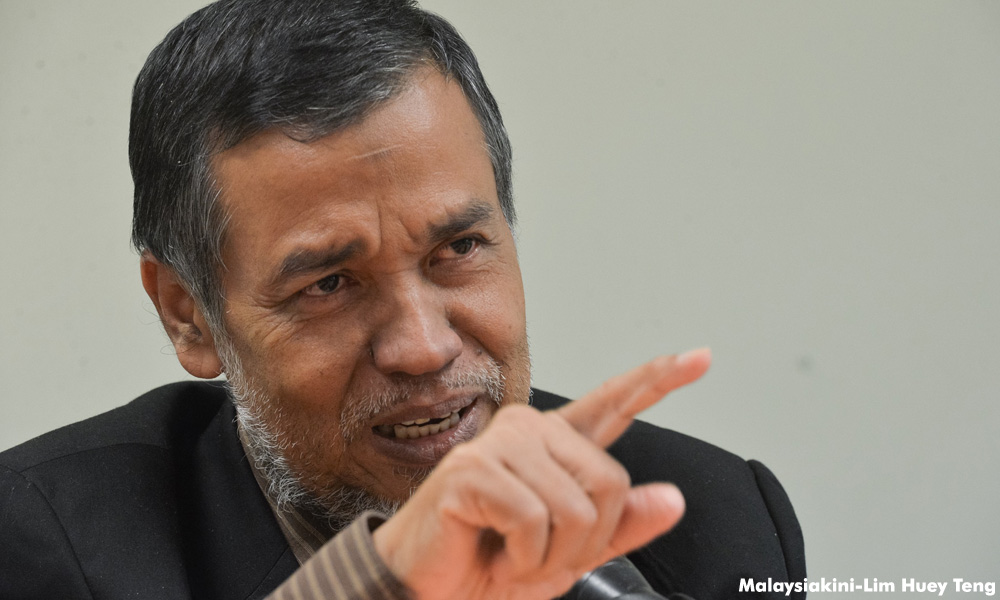
This was disclosed by former MACC deputy chief commissioner Zakaria Jaffar, who served with the anti-graft body for more than 33 years before retiring last year, and becoming the chairperson of the Malaysian Anti-Corruption Foundation.
“I have worked with seven past director-generals or chief commissioners either in the ACA or MACC. Abu Kassim (Mohamed) is the 11th person to have led the ACA or MACC,” said Zakaria, referring to Dzulkifli's direct predecessor.
“However, there are only two who came from within the graft commission in the past, namely Ahmad Said and Abu Kassim. The others come from outside, including Dzulkifi.
“Previously, there are two who came from the AGC,” he said, adding that he had no issues about who leads the MACC.
Zakaria said the MACC Act 2009 states that the chief commissioner can come from anywhere, adding that they are appointed through a contract that lasts five years.
Before Dzulkifli's appointment as MACC chief on July 29, the 48-year-old was the director of the National Revenue Recovery Enforcement Team at the AGC.
Civil society groups and a law expert have questioned Dzulkifli's appointment, as he is considered quite junior in the chambers.
While Zakaria believes the commission should just stick to what the law says, he did point out that there was at least one disadvantage to choosing an outsider.
“As a MACC officer and being a former investigator, I may know how the MACC officers feel, the threats or pressure that they face in their investigations, which the chief commissioner who is not from the MACC, would not know,” he said.
But despite all the negativity they may be experiencing, Zakaria urged MACC officers not to succumb to their emotions and run away from the task at hand: investigating corruption.
“Do not shy away from your role and your responsibility to fight and investigate corrupt practices,” he said.
'We answer to God'
Zakaria himself had served on the operations side of the MACC for 24 years, tackling investigations and covert activities.
The commission has often courted criticism for allegedly targeting the 'anchovies', while allowing the 'big fish' to escape.
But Zakaria said that while a person may escape from the clutches of the law, they still have to answer to God – and His retribution may come swifter than expected.
Zakaria recalled an incident in which officers stormed a thanksgiving function hosted by a then MACC state director, who was preparing to leave for his haj (pilgrimage).
Everyone at the function – including the director's superiors – watched as the officers proceeded to arrest the director for corruption.
Although Zakaria was not present at the event, he said the director himself contacted the former to share how humiliated he had felt by the manner of the arrest.
The former director was subsequently charged upon his return from his pilgrimage, but was later acquitted, said Zakaria.
However, he said, despite walking off scot-free from the court of law, the former director could not shake off his own guilty conscience.
“Years later, I met him at a pondok (traditional religious institution) and I asked him what he was doing here.
“He told me that he may have been acquitted, but he felt guilty and was spending the final years of his life to be closer to religion.
“He lived in the pondok as he felt there was no value to the wealth that he accumulated. And he was afraid that despite being freed in this world, it did not mean that he would be free when he faced Allah,” he said.
To those who ask why the big fish were able to escape, Zakaria explained that this may be because they were clever at hiding evidence, or able to hire the best lawyers.
But he reminded Muslims that there was no burying the proof in the afterlife, when your own limbs would testify against you before God.
Instead of harping on why a person was not brought to justice, each individual should focus on themselves and their own deeds, added Zakaria.
“What I would like to stress is that whatever we do in this world, we are answerable to our maker,” he said.


Are you sure you want to delete this comment?
This action cannot be undone.