


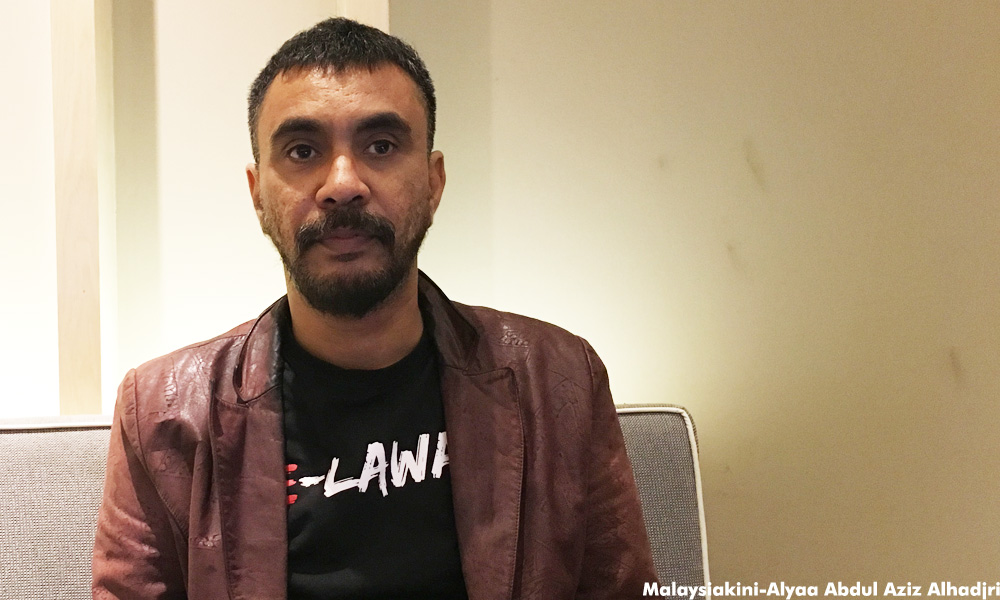

'Gov't that fears critics a danger to media, society'
INTERVIEW Any government that fears criticism will present a danger to the media and the nation at large, a prominent Indonesian media activist warns.
Ahmad Taufik Jufry, who founded the Jakarta-based Independent Journalists Alliance, said the principle applies to both the government of the day and its opposition looking to form the new ruling government.
"Criticism should be directed to all - to the government, opposition, and even the people.
"Press freedom is not just about interest of the media, but the interest of the nation, for a better future," Taufik told Malaysiakini in an interview last week.
INTERVIEW Any government that fears criticism will present a danger to the media and nation at large, a prominent Indonesian media activist warned.
Ahmad Taufik Jufry, who founded the Jakarta-based Independent Journalists Alliance, said the principle applied to both the government of the day and its opposition looking to form the new ruling government.
"Criticism should be directed to all - to the government, opposition, and even the people.
"Press freedom is not just about interest of the media, but the interest of the nation, for a better future," Taufik told Malaysiakini in an interview last week.
Taufik said this when asked for comments on incidents of politicians from both Barisan Nasional and Opposition parties publicly harassing or threatening journalists over allegedly unfavourable critical reports carried by their media outlets.
"Here (in Malaysia), the opposition, when criticised, will claim that the media is pro-government and vice-versa, even though not all (politicians) will do so.
"There must be an independent media... Both the opposition and ruling government cannot suppress the media," said Taufik who is part of investigative news magazine Tempo's editorial team.
Arrested and jailed
Taufik had worked as a reporter at Tempo until its banning by Soeharto's New Order regime in 1994.
He was arrested in March 1995 and sentenced to three years jail under Article 19 of the Republic's press law, after a series of articles, critical of Soeharto's dictatorship, were published in an unlicensed publication.
"Upon Soeharto's downfall in 1998, top of the agenda of reforms was to free the press (from such laws)," recalled Taufik.
A similar requirement for publications to obtain a printing licence still exists under Malaysia's Printing Presses and Publications Act 1984.
This is on top of existing and proposed regulations which deal with online media publications and social media.
Indonesian press still not spared for criticism
In Indonesia today, Taufik said that Tempo and the Indonesian press are still not spared from the authorities or people in power who fear criticism.
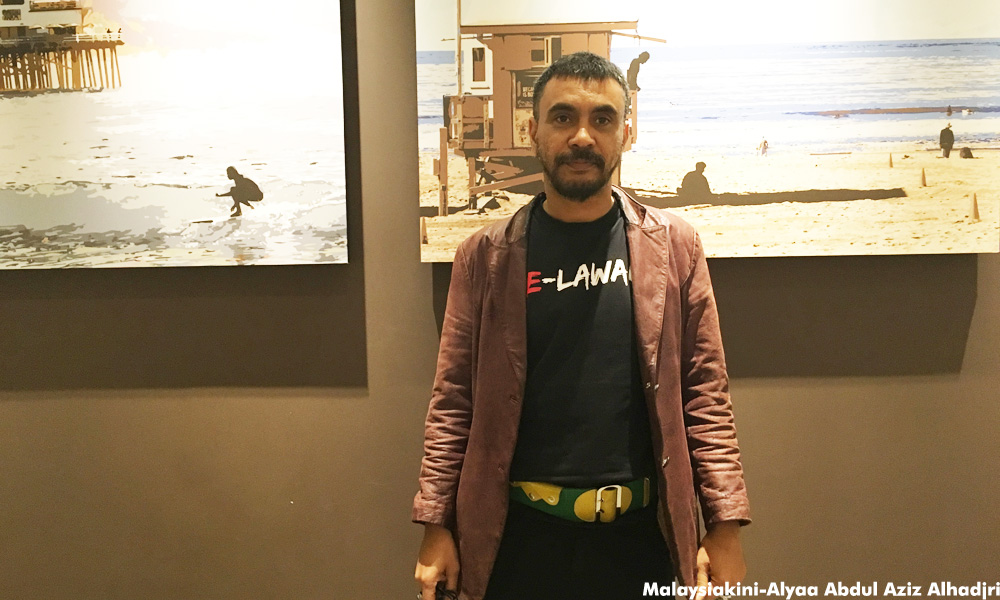 "Now when Tempo writes good things about Ahok, there would be no opposition. But when they criticise his faults, there would be attacks on social media by his followers," said Taufik in reference to Jakarta governor Basuki Tjahaya Purnama, who is better known as Ahok.
"There are parties who are not prepared to be criticised and that is dangerous. People in power must be ready for criticism.
"Jokowi (Indonesian president Joko Widodo) is more open to criticism...," he said, pointing to the role of online and social media in criticising authorities in power.
Taufik said the mainstream media should, in principle, strive to be more accurate in its reports, while taking into consideration constraints in the form of media ownership or legislation.
"The media owners are very dangerous (to press freedom) when they start to 'eye' the people in power and also businesses.
"This is also something which must be opposed by all journalists," he said.
Worrying trend
Post-Reformasi in Indonesia, Taufik said the influence of media conglomerates in setting the news agenda could be seen in ownership of private television stations.
This, he said, was a worrying trend, given that the stations are utilising public airwaves, which should not be abused for private interests.
Moving forward, Taufik said the struggle for press freedom should continue in both Indonesia and Malaysia.
That, he concluded, should serve as a reminder to both governments and any party eyeing to come to power.


Are you sure you want to delete this comment?
This action cannot be undone.