



MACC to rank ministries at 'high risk' for graft, abuse of power
The MACC is set to unveil a ranking system for ministries deemed to be at "high risk" for corruption and abuse of power.
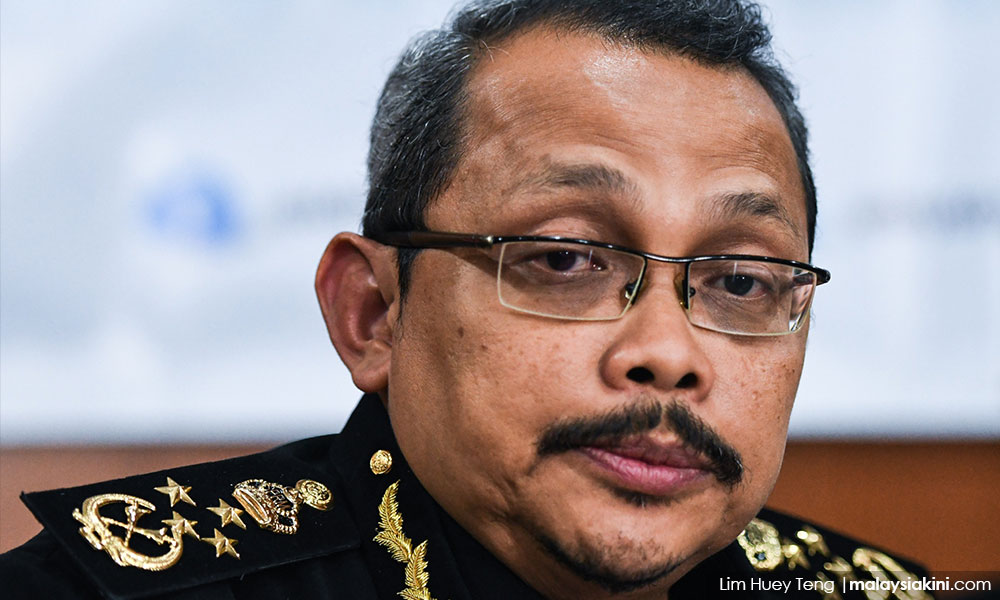
MACC chief commissioner Dzulkifli Ahmad said the public ranking system involving a list of the Top 10 most "high risk" ministries, as well as Top 5 "least problematic" ministries, will be released by the end of this year.
"In the first stage, we will rank the ministries.
"And then we will expand the list to include other agencies," Dzulkifli told a press conference in Putrajaya after witnessing the Plantation Industries and Commodities Ministry's (MPIC) MACC Anti-Corruption pledge signing ceremony...
The MACC is set to unveil a ranking system for ministries deemed to be at "high risk" for corruption and abuse of power.
MACC chief commissioner Dzulkifli Ahmad said the public ranking system involving a list of the Top 10 most "high risk" ministries, as well as Top 5 "least problematic" ministries, will be released by the end of this year.
"In the first stage, we will rank the ministries.
"And then we will expand the list to include other agencies," Dzulkifli told a press conference in Putrajaya after witnessing the Plantation Industries and Commodities Ministry's (MPIC) MACC Anti-Corruption pledge signing ceremony.
Dzulkifli had unveiled the new mechanism - based on a system practised in South Korea - when asked for comments on whether the MPIC could be considered as one of the cleanest ministries in terms of graft or abuse of power.
Also present was its minister, Mah Siew Keong, who led the anti-corruption oath-taking ceremony for over 600 ministry staff and its agencies.
Commenting further, Dzulkifli said the new mechanism is introduced to compel each ministry to be responsible and take steps to ensure that it does not end up on the Top 10 "high risk" list.
"It will also give the ministry room for improvements. There will be many criteria.
"We will explain later how we come up with a classification for the rankings," he said, adding that the ministry, had in the process, consulted and obtained endorsements from various anti-corruption experts.
Mah, meanwhile, noted how any corruption or abuse of power within his ministry could affect millions of industry stakeholders, over one million of whom are small-scale plantation owners or workers.
Ensuring integrity in the management of allocated funds, he said, is also in line with maintaining the commodities sector as one of Malaysia's top nett export.


