



Claims Penangites will bear RM46b transport master plan cost refuted
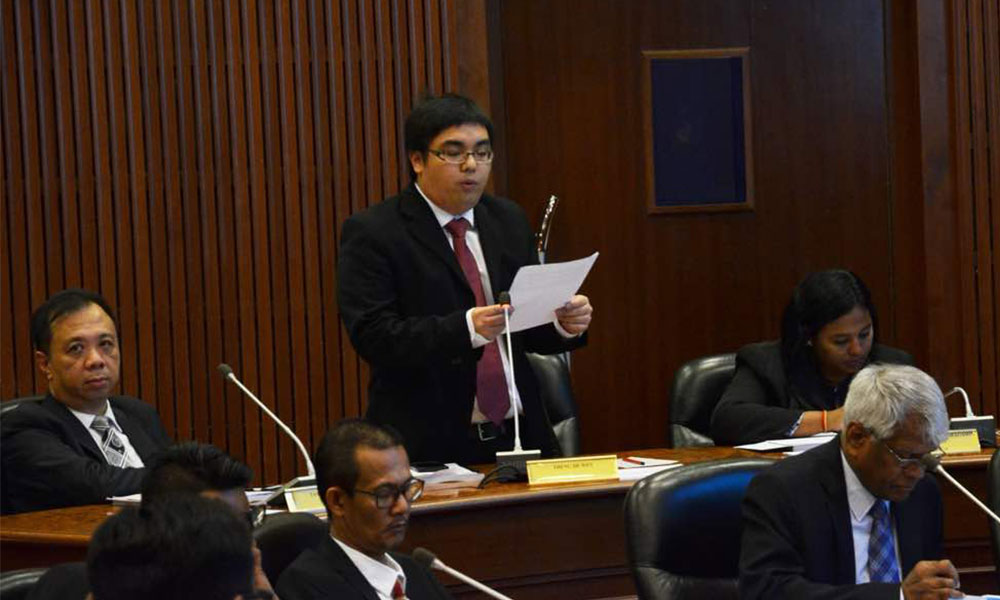
A Penang Island City councillor has refuted claims from certain quarters that the cost of the RM46 billion Penang Transport Master Plan (PTMP) would be borne by Penangites.
First-term councillor Nicholas Theng said such critics try to instil fear in people about bearing the cost of the project...
A Penang Island City councillor has refuted claims from certain quarters that the cost of the RM46 billion Penang Transport Master Plan (PTMP) would be borne by Penangites.
First-term councillor Nicholas Theng said such critics try to instil fear in people about bearing the cost of the project.
"However, it is all a misunderstanding," he said during his maiden speech at the council meeting in Penang today.
"PTMP will have its own model of payment. Other than fare collection, it will implement a transit orientation development method which optimises the use of land to sustain the project.
"Developed countries like Singapura and Hong Kong also used similar methods to pay for their public transport system," Theng added.
Civil society groups have criticised the PTMP for its reclamation plans on the island's southern post, which may have an impact on the lives of hundreds of fisher folks.
But Chief Minister Chow Kon Yeow insisted on realising the project, saying efforts to derail it had been rejected by the people when they strongly voted in Pakatan Harapan at GE14.
Theng expressed hope that his statement would help dispel doubts over the PTMP as it was important that the state does not lose sight of its aim to address traffic woes.
"I hope we all remain on the same page and implement what is best for Penang's future."
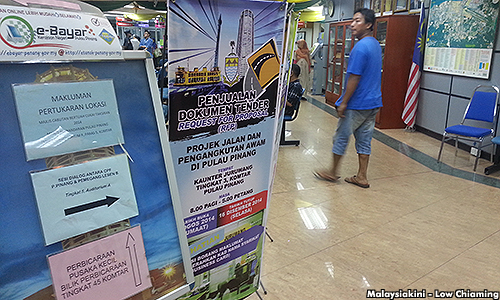
Theng explained that he needed to clarify the real situation of the PTMP as there were many concerns raised by the public lately, especially whether the request for proposal (RFP) method used by Penang to award mega infrastructure projects count as open tender.
"There are so many lamentations that even we in MBPP do not know who is giving the right information. So I want to invite everyone to get to know the PTMP better so that we can separate fact from fabrication," he added.
Theng said PTMP drew its inspiration from the Penang Transport Council in 2009, after which, a consultation process was carried out with international experts, which led to the "Halcrow Study".
The state then organised an open RFP by inviting local and overseas organisations to present their proposals based on the recommendations of the Halcrow Study.
There were six proposals submitted to the state government, and an independent consultant and audit firm KPMG was asked to evaluate the proposals and to recommend a project delivery partner, he said.
Theng said SRS Consortium was selected to deliver the PTMP based on this "transparent" method of engaging an independent consultant and audit firm.
"Certain quarters boldly claim that the RFP method was not an open tender. They demanded that the state follow the Halcrow Study.
"However this is funny as the Halcrow Study was also chosen via the RFP. There are claims SRS was selected to benefit certain quarters, but the open tender process and audit by a well-known independent firm is proof that the process was fair and transparent," he said.
Theng also noted that after SRS was selected, its proposals were further enhanced by engagement between the state and various stakeholders like local and federal authorities, and communities.
He reminded the plan's critics that the state has held more than 960 sessions with the public involving 16,000 people from various sectors.


