



More than medicine - how support groups help leukaemia patients
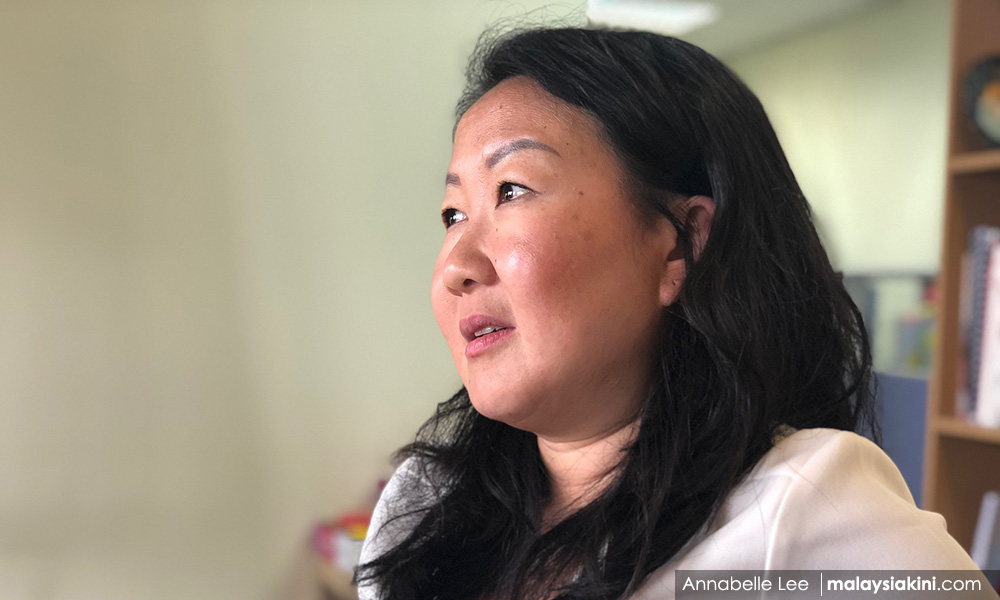
SPECIAL REPORT | Gan Li Li was just 37 when she was diagnosed with a rare form of blood cancer called chronic myeloid leukemia (CML). While not life-threatening if treated, the diagnosis still came as a shock to the events planner.
She was overwhelmed by how she did not know anyone with CML, the side effects of Imatinib, the drug she was prescribed, or how to live with the condition.
All this changed after she was introduced to a patient support group called Max Family by a fellow CML patient.
Four years on, Gan now has her CML fully under control and is back at work as an events planner.
Speaking to Malaysiakini, she said being part of Max Family was integral to helping her understand her condition and to get back on her feet...
SPECIAL REPORT | Gan Li Li was just 37 when she was diagnosed with a rare form of blood cancer called chronic myeloid leukemia (CML). While not life-threatening if treated, the diagnosis still came as a shock to the events planner.
She was overwhelmed by how she did not know anyone with CML, the side effects of Imatinib, the drug she was prescribed, or how to live with the condition.
All this changed after she was introduced to a patient support group called Max Family by a fellow CML patient.
Four years on, Gan now has her CML fully under control and is back at work as an events planner.
Speaking to Malaysiakini, she said being part of Max Family was integral to helping her understand her condition and to get back on her feet.
“If not for the group, I don’t think I would be here today.
“I saw how other patients had been living with it for 10 years, 15 years and even 20 years... I received a lot of emotional, peer-to-peer support from them.
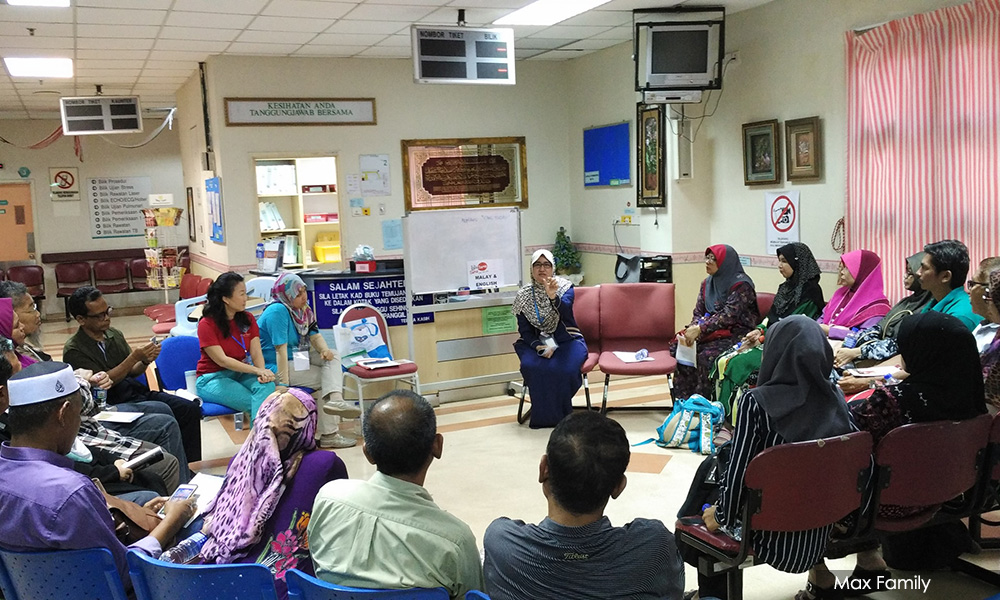
“From other patients, I also picked up a lot of medical information... and helped me know what to ask my doctor.
“When you start asking questions, you start to understand what you are going through and you get more involved in your own journey,” she said in a recent interview.
Max Family patient support groups were first initiated by The Max Foundation, an NGO which helps CML patients in Malaysia obtain access to Imatinib for free through the Health Ministry’s Patient Assistance Programme (Mypap).
Patients empowering patients
Today, the group sessions are largely facilitated by patients themselves.
Each session allows up to 70 patients and their caregivers to network and share experiences with each other.
Gan is one such facilitator, and helps organise Max Family events five times a year for newly diagnosed patients in several cities across the country.
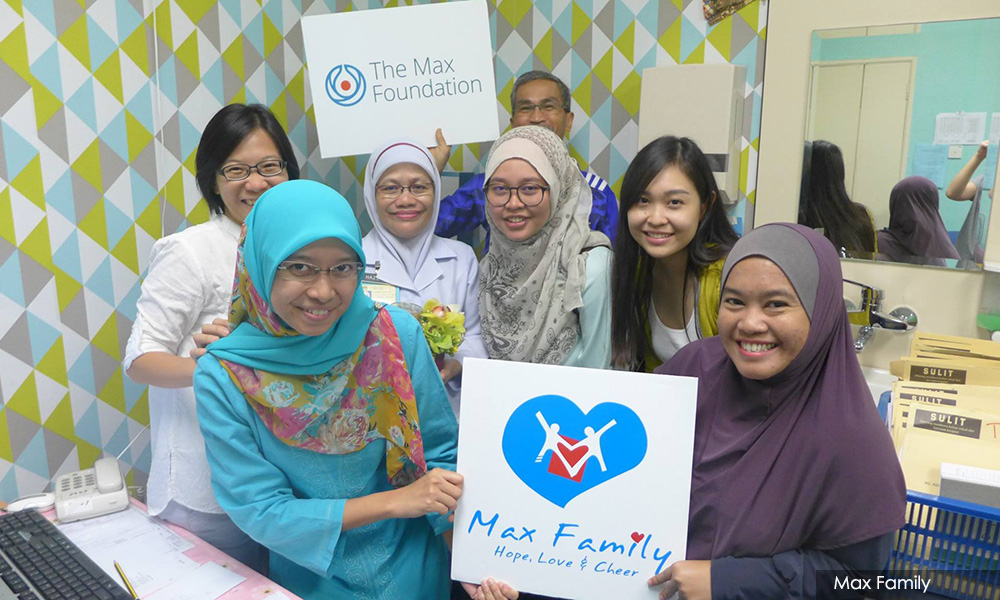
She said she enjoys giving back to a community she benefited from, and appreciates how patients continue to empower each other with information and support even after the sessions are over.
“During the long five-day weekend after the 14th general election, someone ran out of the (Imatinib) drug because the hospital was closed. So the person asked in our (Max Family) WhatsApp group, ‘I am out of the drug, what do I do now?’
“Another patient actually offered some of their own drugs and said ‘when you get your supply, you can return it to me’.
“When I saw that, I was so touched,” she said.
Helps caregivers cope better
For Wong, a caregiver to his son who had CML, he is grateful to the sessions for helping his family cope with the condition over the years.
His son was first diagnosed when he was 12, and is now a young adult who works in IT after graduating from university. He does not attend Max Family sessions anymore.
However, Wong still finds it important to attend them to show other patients and their caregivers how they can live a fulfilling life.
“(The sessions) have made being a caregiver easier, it made me not feel like a victim and realise that life is more than that.
“(I continue to attend) because having lived through this and coming out for the better, it is only important that we give back and be a beacon to tell other people living this illness that ‘you have got this’.
“It is to encourage people to talk about CML and I think numbers count, the more people get together, the better,” he told Malaysiakini.
Besides patients and their caregivers, haematologists and other healthcare professionals often attend Max Family patient support group sessions to share the latest medical information and address patient concerns.
“It is important for doctors to listen to patients. The doctors who attend our workshops realise that more engagement with patients is important,” Wong added.
Still taboo
Wong declined to reveal his full name for this article because he was concerned about being identified by relatives and friends as the father of a CML patient.
Even though his son has been living with CML for the past 12 years, he revealed that few outside his immediate family and the Max Family community know about his son’s condition.
“I think the public at large looks at cancer as something unfortunate. This makes it difficult for me to bring up the subject in conversations.
“...If I say something about this to my relatives, their behaviour towards you will change because they don’t understand it, some will think (CML) is hereditary,” he explained.
For Gan, coming out as a CML patient was a difficult internal battle against “social fears”.
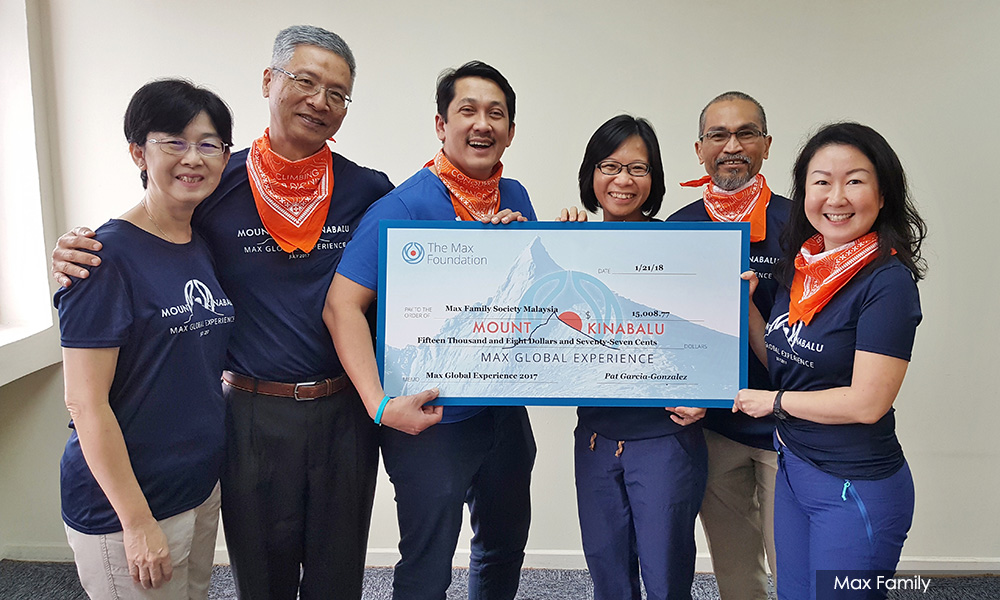
“For a long time, I kept it a national secret until I was going to climb Mount Kinabalu last year (to raise funds for The Max Foundation). That’s when I had to tell everyone about it to raise money.
“I did not want to let CML define me anymore and I wanted to overcome it. Plus by then I had already had CML for about three years and things were going well,” she said.
Sept 22 is World Chronic Myeloid Leukemia day.


Lapor komen ini
Anda pasti mahu padam komen ini?
Komen anda tidak akan boleh dikembalikan semula.