


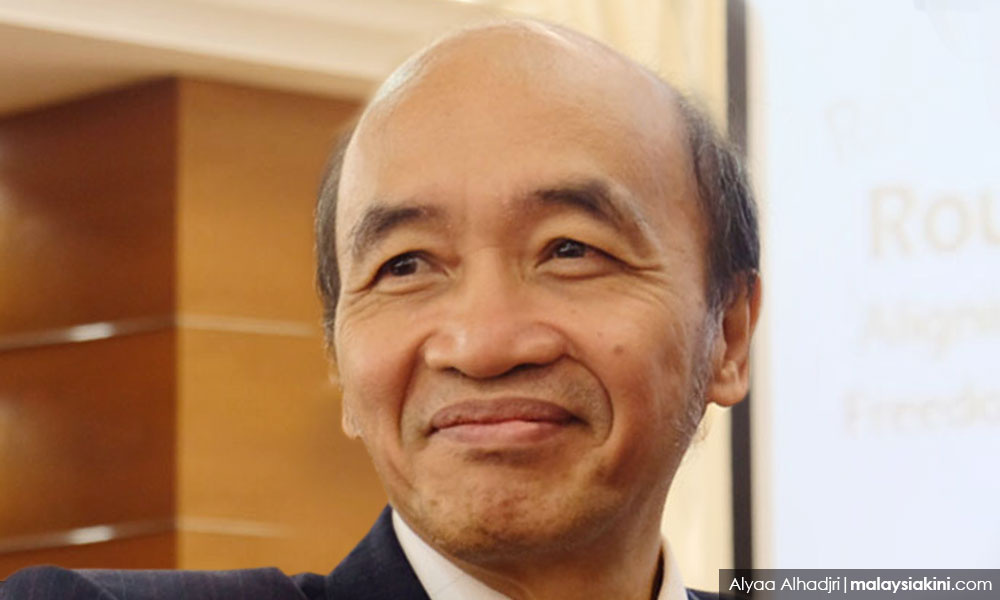

Ex-editor reveals key factor of Indonesia's thriving media landscape
Since its formation in 1999, the Indonesian independent press council has achieved several important milestones that contributed to the republic's current thriving media landscape.
Speaking during a panel discussion in parliament today, the former CEO of Indonesia's investigative magazine Tempo Bambang Harymurti said the council, set up under reformed press laws, has emerged as a "cheap, easy and effective" platform to resolve disputes involving the press...
Since its formation in 1999, the Indonesian independent press council has achieved several important milestones that contributed to the republic's current thriving media landscape.
Speaking during a panel discussion in parliament today, the former CEO of Indonesia's investigative magazine Tempo Bambang Harymurti said the council, set up under reformed press laws, has emerged as a "cheap, easy and effective" platform to resolve disputes involving the press.
"If the press was in the wrong, the remedy is that they would apologise. It is quick and free of charge," said Bambang during the session co-organised by National Human Rights Commission of Malaysia (Suhakam) and the United Nations Educational, Scientific and Cultural Organisation (Unesco).
"I remembered in early times we were deluged with so many complaints and many journalists ended up in court," recalled Bambang who was the council's deputy chairperson for two terms between 2006 and 2013.
During that time, the former Tempo editor-in-chief said the council succeeded in drastically reducing the number of police investigations and court cases involving journalists, as they pushed for authorities to consult with their experts before deciding whether or not to proceed with a case.
For cases against journalists that ended up in court, Bambang said the council would provide an expert witness to testify on behalf of the accused.
"This has been effective to acquit some journalists," he said.
On average, Bambang said the council now receives some 500 cases a year, and most were typically resolved in an amicable manner through mediation with disputing parties.
He explained that in order to maintain the press council's independence, it was decided that it must be free from government interference and the chairperson would be appointed from among respected public figures outside of the media industry.
"We have had a former judge, and a former university rector as the council's chair," he said, adding that even former Indonesian president Susilo Bambang Yudhoyono had filed a complaint which was then resolved by the council.
"One of the best 'weapons' that the law gave us under the press council is also an article that says anyone found guilty of breaching press freedom can be jailed up to two years or fined 500 million Rupiah.
"Some people have gone to jail because they breached press freedom," Bambang said.
Scene in Malaysia
Also on the panel was media advisor to the Malaysian government, Abdul Kadir Jasin (below), who said that Pakatan
Harapan has not given any commands to the media since it took power of the government administration.
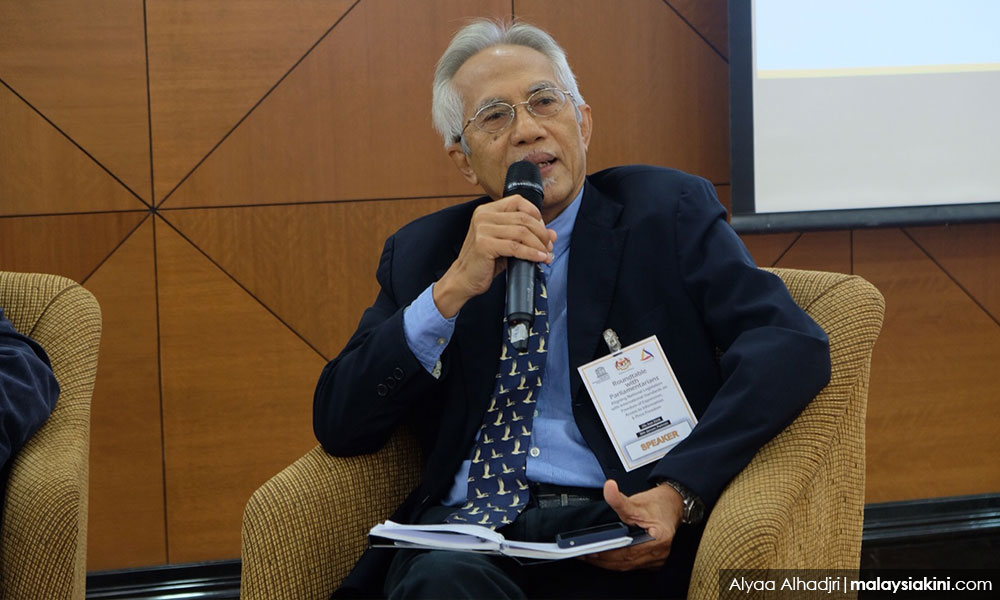
"I have asked media editors if they received any calls. They said no.
"The government is saying they will not control the media and they are keeping to their word," said Kadir.
Malaysia had in the past taken steps to form a media council but Kadir said its draft law was never tabled in parliament following objections from editors who wanted the Printing Presses and Publication Act 1984 and other restrictive laws to be abolished.
"We are now (again) in the midst of having a media council.
"The impression I got from those in the ministry, their position is that we want the media council to be set up as soon as possible," he said.
Communications and Multimedia Minister Gobind Singh Deo had in May said the government is drafting a proposal for a national media council to be tabled for discussion before the cabinet.
Dewan Rakyat Speaker Mohamad Ariff Md Yusof delivered the opening speech at today's half-day discussion session.
Among lawmakers present were deputy ministers Steven Sim, Hannah Yeoh, and Anuar Tahir; Batu Kawan MP Kasthuri Patto; as well as Tangga Batu MP Dr Rusnah Aluai.


Are you sure you want to delete this comment?
This action cannot be undone.