



Bar urges Harapan gov't to fulfil manifesto pledge to repeal oppressive laws
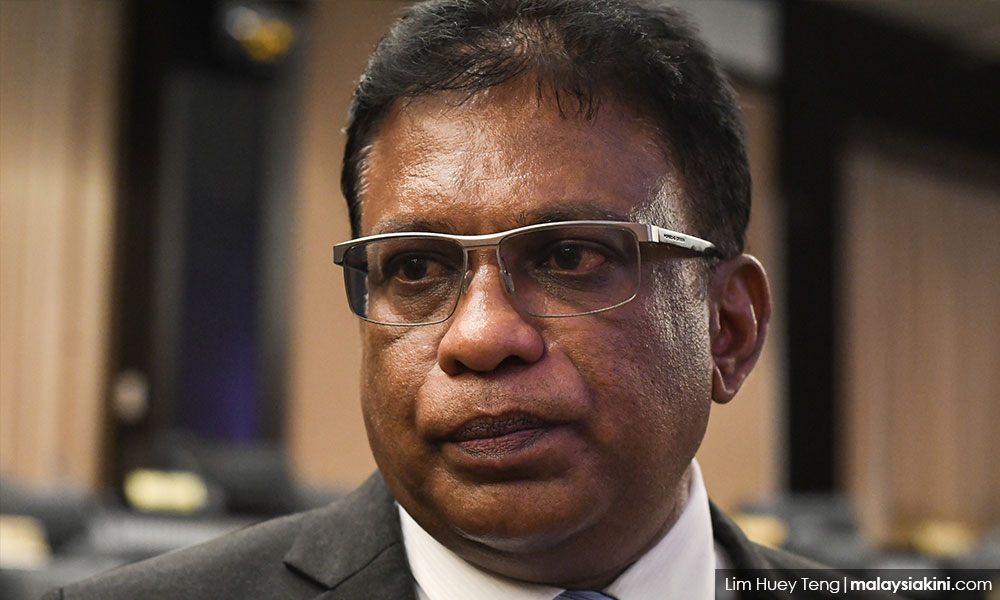
Malaysian Bar president George Varughese has said that the legal practitioners’ body will continue to voice its concerns over the continued use of oppressive laws such as the Sedition Act 1948, the Prevention of Terrorism Act 2015 (Pota), the Prevention of Crime Act 1959 (Poca), and the Security Offences (Special Measures) Act 2012 (Sosma).
According to Varughese, the Malaysian legislative landscape need not be left in a time capsule by keeping regressive laws from the colonial era...
Malaysian Bar president George Varughese has said that the legal practitioners’ body will continue to voice its concerns over the continued use of oppressive laws such as the Sedition Act 1948, the Prevention of Terrorism Act 2015 (Pota), the Prevention of Crime Act 1959 (Poca), and the Security Offences (Special Measures) Act 2012 (Sosma).
According to Varughese, the Malaysian legislative landscape need not be left in a time capsule by keeping regressive laws from the colonial era.
"These laws ought to be repealed, as existing laws are sufficient to address the threats of crime and terrorism. If found insufficient, the solution lies in amending existing non-draconian laws or enacting new laws that observe the rule of law.
"The Malaysian Bar calls upon the government to demonstrate full commitment to its election manifesto by abolishing such oppressive laws without further delay," he said.
Varughese was speaking at the official opening of the Legal Year at Putrajaya Marriott Hotel this morning.
The Malaysian Bar attended this year’s event after boycotting it last year, due to the then chief justice Md Raus Sharif staying on as the top judicial officer after his mandatory retirement.
Hasty legislation
Varughese further highlighted the Bar’s concerns over certain laws such as the Anti-Fake News Act 2018, which was passed a month prior to the 14th general election.
He described the Act as having been rushed through Parliament despite containing numerous flaws, which raised many questions regarding its content, intent and impact.
"The government must never legislate in haste," he reminded the Pakatan Harapan government.
The Bar president also called on the judiciary to be bold and independent in its decisions and to make it standard practice for all courts to give reasons when delivering judgments.
"Such judgments should at least consist of broad grounds to inform aggrieved parties of the reasons behind their judicial outcomes," he said.
Varughese said justice must always be seen to be done and public perception of the judiciary is paramount.
He recalled the revelations last year by a Court of Appeal judge who was reprimanded for writing a dissenting judgment, saying it was alarming and had cast grave doubt on the integrity and independence of the judiciary.
"Any attempt to curtail the ability of judges to exercise their autonomy in the performance of their judicial duties by any other judge is an abuse of power, and represents a serious instance of judicial misconduct," he said.
Last year, COA judge Hamid Sultan Abu Backer revealed that he was reprimanded by a top judge for writing the dissenting judgment in the highly charged M Indira Gandhi case.
Varughese also said the legal profession’s traditional role was to uphold and preserve the rule of law and discharge its duties without fear or favour.
It (legal profession) has come to be regarded as the sentinel and guardian of the fundamental rights of the individual.
He also said the Bar would continue to adapt to the needs of society in promoting and protecting human rights and fundamental freedoms.
"In this new era, it is the desire of the Bar not to be perceived as an opposition voice but as a necessary check and balance, as a partner in the administration of justice, and a defender of the rule of law in promoting the doctrine of separation of powers that we hold dear.
"It is time for the Bar to be recognised for what it is – a body of highly skilled legal experts available to serve the government and the rakyat," he said.
Varughese also urged politicians and the media to refrain from pandering to racial and religious sentiments to avoid stoking the sensitivities of the rakyat.
They should instead choose to lead public opinion and steer towards healthy nation-building with the intention of improving the lives of all.
Varughese also said the Bar has once again been consulted on the appointments and elevation of judges after not having been done so for quite some time.
The Bar has asked those in the judiciary and the Judicial Appointment Commission to consider appointing more lawyers as judges, he added.
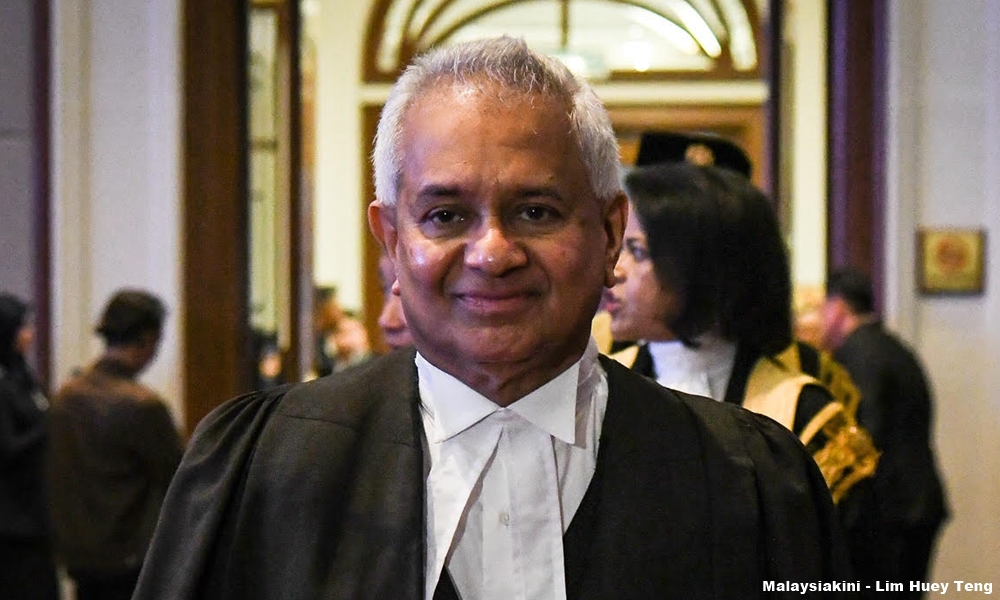
Speakers at today’s event included attorney-general Tommy Thomas, as well as representatives from the Advocates Association of Sarawak and the Sabah Law Society.


Are you sure you want to delete this comment?
This action cannot be undone.