




Two key reasons why death penalty must go, says Ambiga
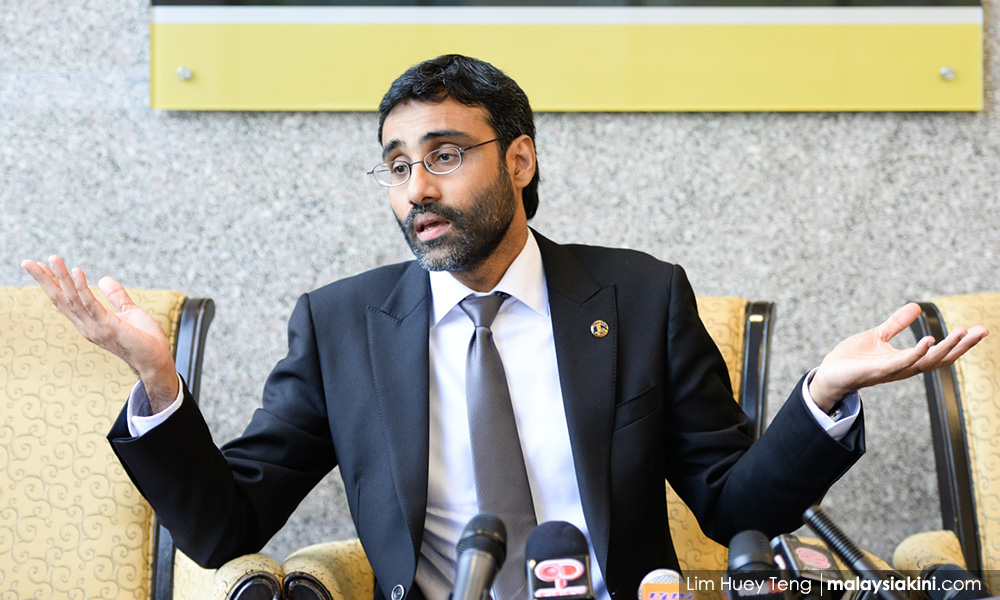
Former chairperson of Malaysian Bar Council S Ambiga is looking forward to the abolishment of the mandatory death penalty, a punishment she deems as oppressive.
Ambiga outlined two key reasons why the death penalty should be repealed namely the ineffectiveness of the punishment in deterring crime and the possibility of executing the innocent.
Former chairperson of Malaysian Bar Council S Ambiga is looking forward to the abolition of the mandatory death penalty, a punishment she deems as oppressive.
Ambiga outlined two key reasons why the death penalty should be repealed, namely the ineffectiveness of the punishment in deterring crime and the possibility of executing the innocent.
She said this during her talk on the rule of law, legal reform and a clean government during the “Democracy Fest 2019” event in Kuala Lumpur today.
"There is no reason why the death penalty cannot be repealed in its entirety for two key reasons. First, it's evident that it doesn't work. Of course, you have like 100 people who appear and say 'Yes, it works' with no evidence to back their claims."
Ambiga said the second reason was that mistakes could be made.
"A lot of evidence shows that mistakes have been made. How can we live with that? We take a life and say it's okay because it helps to prevent crime.
“To me this is unacceptable. Revenge cannot be the basis of punishment.
The death penalty can and must go," she said.

The bill to abolish the death penalty is expected to be tabled at the Dewan Rakyat sitting next month.
Last year, Minister in the Prime Minister’s Department Liew Vui Keong said the Attorney-General’s Chambers was in the final stage of preparing the legislative papers for this purpose.
He announced the cabinet had decided that the death penalty for 33 offences under eight acts of law would be abolished, including for Section 302 of the Penal Code (murder).
He said the decision, achieved collectively on Oct 10, would also include the Firearms (Heavier Penalties) Act 1971, the Firearms Act 1960, the Kidnapping Act 1961, the Armed Forces Act 1972, the Water Services Industries Act 2006, the Strategic Trade Act 2010 and the Dangerous Drugs Act 1952.
However, on Feb 14, Liew said a final decision would be made by the cabinet taking into account the view of all stakeholders including NGOs, prisoners and their families, as well as families which have lost their loved ones to crime.




Report this comment
Are you sure you want to delete this comment?
This action cannot be undone.