


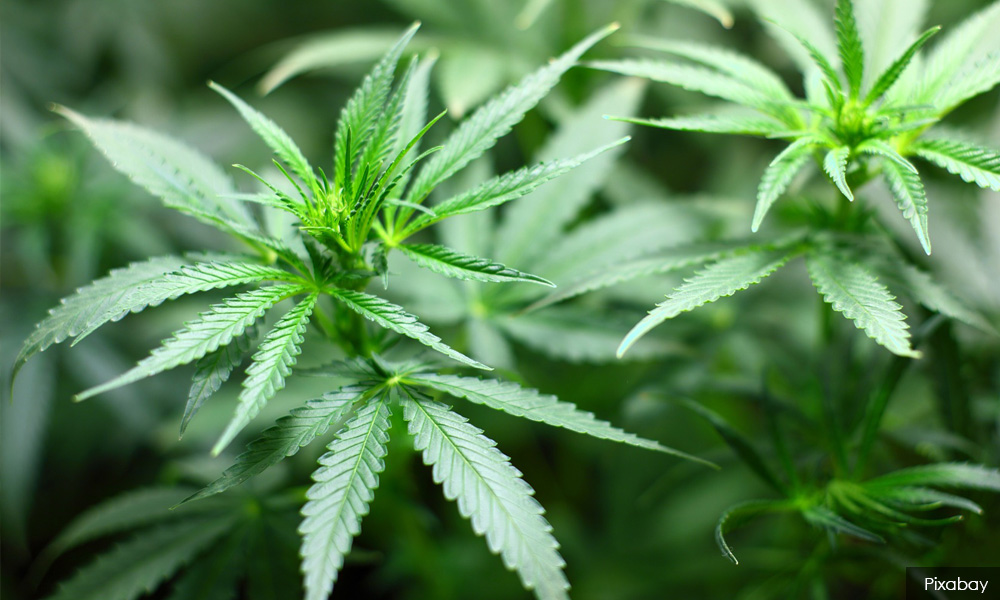

Medical marijuana: learning from our neighbour
INTERVIEW | While much of the world has changed its laws governing the possession and usage of recreational and medical marijuana, Malaysia is still at the stage where government ministers have announced a change in policy, but no changes in law have been enacted.
In neighbouring Thailand, however, the business and medical communities have reacted quickly after the government approved an amendment to the country's narcotics law in December 2018, which saw the use of cannabis for medical purposes no longer considered a criminal offense.
Earlier this month a Malaysiakini journalist visited the Chao Phya Abhaibhubejhr Hospital in Prachin Buri province, Thailand, to see how it operates.
Located around 150km east of the Thai capital Bangkok, it is the first hospital in Thailand to obtain the approval of the country's Ministry of Public Health to open a medical cannabis clinic for patients...
INTERVIEW | While much of the world has changed its laws governing the possession and usage of recreational and medical marijuana, Malaysia is still at the stage where government ministers have announced a change in policy, but no changes in law have been enacted.
In neighbouring Thailand, however, the business and medical communities have reacted quickly after the government approved an amendment to the country's narcotics law in December 2018, which saw the use of cannabis for medical purposes no longer considered a criminal offense.
Earlier this month a Malaysiakini journalist visited the Chao Phya Abhaibhubejhr Hospital in Prachin Buri province, Thailand, to see how it operates.
Located around 150km east of the Thai capital Bangkok, it is the first hospital in Thailand to obtain the approval of the country's Ministry of Public Health to open a medical cannabis clinic for patients.
It is also allowed to grow and produce its own medicines since June this year.
The amendment was passed by Thailand's parliament after receiving 166 votes for, no vote against, and 13 abstentions.
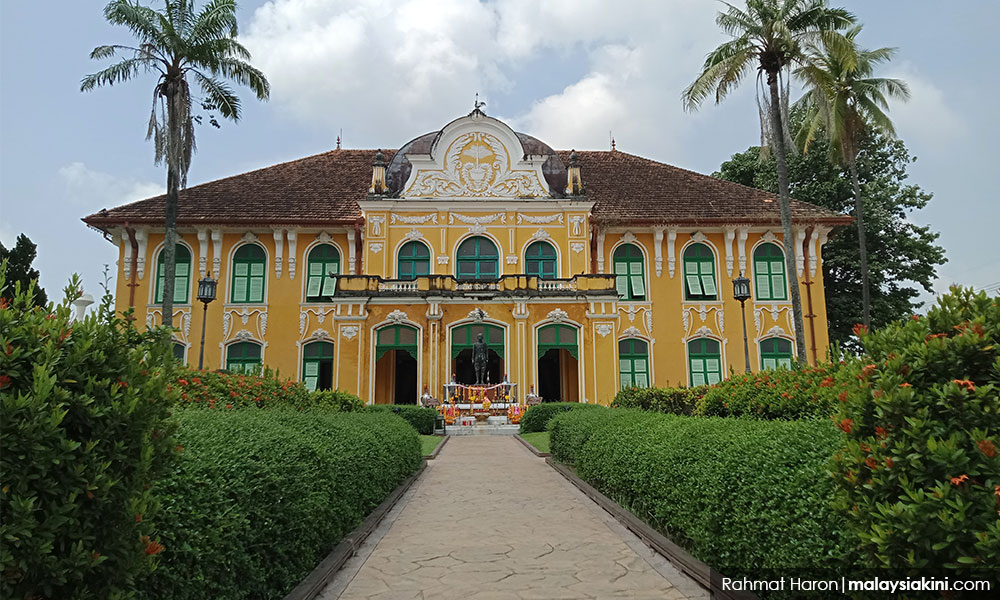
According to the Chao Phya Abhaibhubejhr Hospital (above) organic farm director, Pinyo Juntavong, the medical centre not only grows marijuana, but also many types of other herbs and vegetables for the food supply of patients treated in the wards.
He said the hospital's vegetables and other herbs were located in the village in Prachin Buri province, and they hired farmers as their employees.
Pinyo said the hospital is still comparing costs and yields between three planting systems for the cannabis plants.
"Closed systems, hydroponic greenhouses and organic land use, as well as open garden systems, are being considered," he said.
After several planting trials, the hospital had just sown its medicinal marijuana seeds for drug production in late September.
Security is tight
A walk around the Chao Phya Abhaibhubejhr Hospital shows that the cannabis plants are under guard with close surveillance by security guards with surveillance cameras.
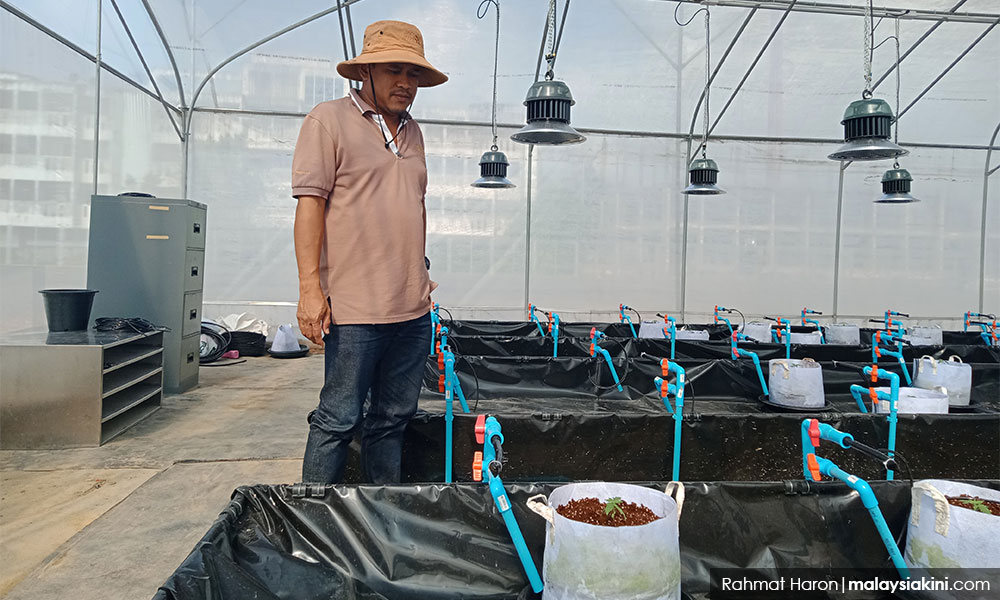
According to Warat Noakhan, a hospital staff member working at the farm, workers also undergo a rigorous inspection process.
"You can see the CCTV cameras everywhere. They will record everything 24 hours a day.
"The staff in the hospital will also check our medical history, to see if there is any history of narcotic addiction or not. If you have one, you're not allowed to work here,” he said.
Warat says that staff are thoroughly searched when entering and exiting the farm, and are regularly urine tested.
A blend of medical traditions
Malaysiakini also interviewed the head of the Thai Herbal and Traditional Medical Centre at Chao Phya Abhaibhubejhr Hospital, Dr Pakakrong Kwankhao (below).

Dr Pakakrong, who is a modern medical pharmacist, says the hospital can provide modern or traditional medical services, or a combination of both.
"For example, if a patient comes to the hospital, they can choose whether to refer to the traditional Thai medical department or a modern doctor.
"Sometimes modern doctors refer their patients to traditional Thai units," he said.
Asked about the cannabis clinic at the hospital, which opened on June 24, Dr Pakakrong said not all patients could receive treatment at the clinic.
"They (patients) need to meet the criteria.
"So far, we have opened the clinic four times, once a month. This October we will start operating twice a month and hopefully next year the cannabis clinic will be open once a week," she said.
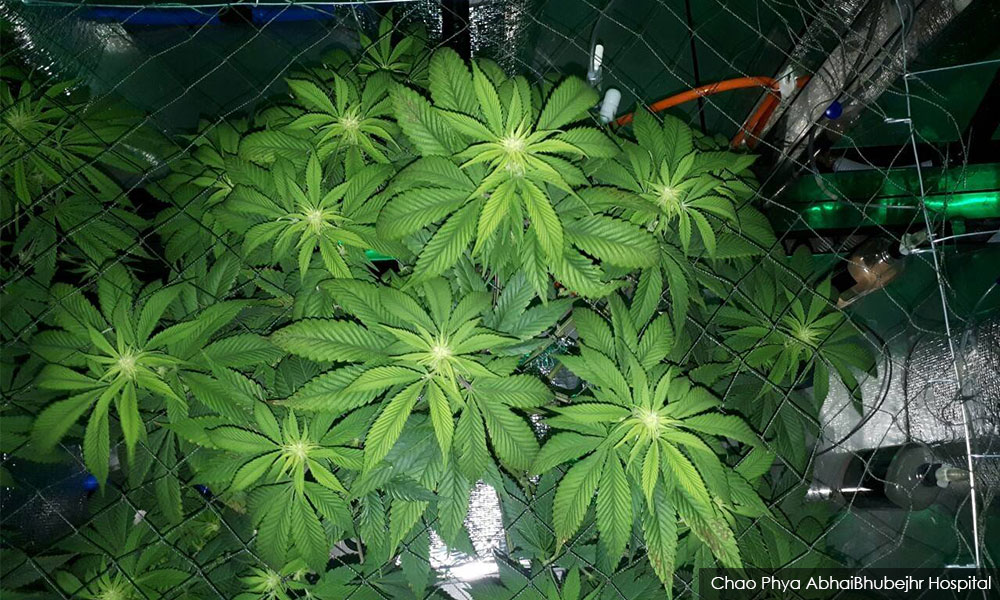
According to Dr Pakakrong, the clinic uses cannabis that is extracted and made into oil with an active chemical content of Cannabidiol (CBD) of 10 percent and Tetrahydrocannabinol (THC) of 1.7 percent, depending on the type of disease treated.
"The symptoms are different. For example, for epilepsy we use CBD oil. We have issued prescriptions for 137 bottles of cannabis oil (each 5ml) for 66 patients," he said.
Patients using CBD cannabis oil suffer from Parkinson's Disease, epilepsy, Alzheimer's Disease and muscle cramps, while THC oil is used to treat stage three or four cancers, neurophatic nerves, tumours, as well as Parkinson's and Alzheimer's.
"So far our treatment has been classified by disease, and the quality of life has increased by 76 percent,” he claimed.
"For cancer patients, it is getting better and better," he said.
Beyond medical marijuana
Each patient will also be evaluated with criteria that excludes medical marijuana treatment, such as kidney and liver function and psychosis.
Patients will also be monitored, and will need to return to the clinic for further examination.
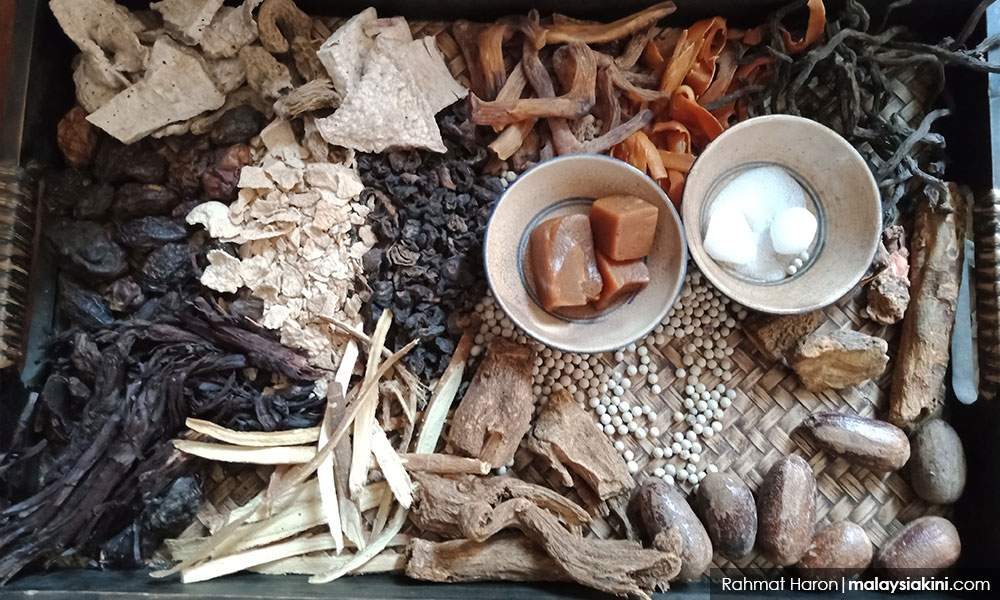
Dr Pakakrong said following the government's regulation of medical marijuana, that form of treatment was still not the first option.
"The patient needs to start with modern medicine with strong scientific evidence, and if you cannot improve the condition then you can get medical cannabis treatment.
"Only after standard treatment, if their condition does not improve or they have side effects, then they can go for cannabis treatment.
Malaysian law yet to be amended
Meanwhile in Malaysia, on Oct 14, National Anti-Drugs Agency director-general Zulkifli Abdullah (below) said the government had not made any decision to allow cannabis to be used for medical purposes in this country, as has been done in other countries.
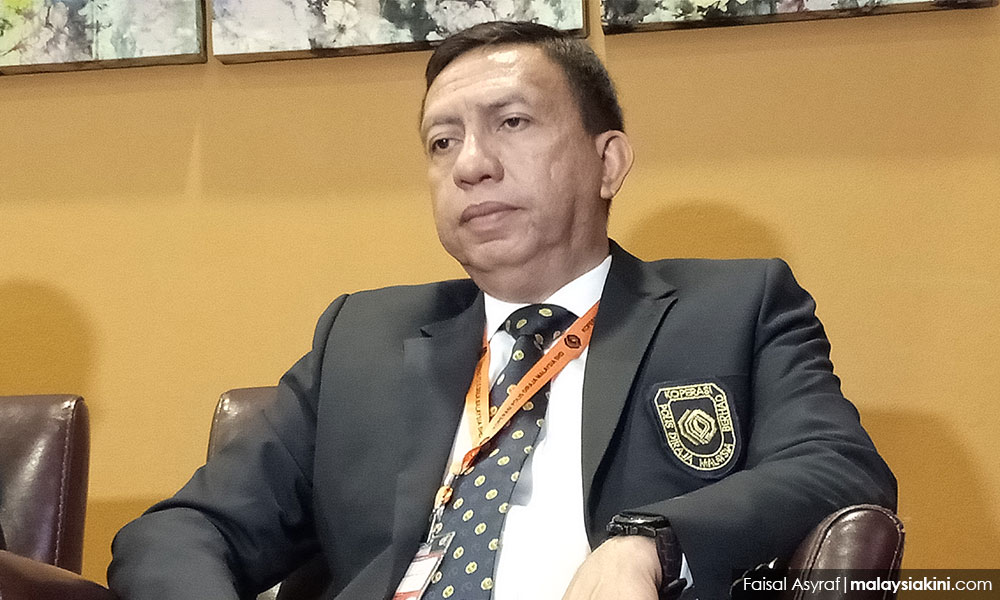
However, Zulkifli said that as with types of morphine, marijuana can also be used in medicine if it is approved by the Ministry of Health.
"If there is a method in the medical field, then certain parties will need to bring it to the Ministry of Health as an authority, and the Ministry of Health will determine and do research before accepting a product as a medical product.
“As we know, morphine, although a drug, is used as a medical aid after approval.
"But so far in Malaysia, there has been no decision by the government to legalise cannabis as a substance in medicine," he added.
The Malaysian Society of Awareness (MSA) has called on the Malaysian government to consider legalising the use of cannabis for medical purposes and health supplements, as is practised in several countries.
“Countries like Australia, Uruguay, Turkey, Thailand, India and others agree that cannabis plants are safe after scientific research.
"However, the Malaysian government still does not recognise its benefits even though other countries have changed their laws," said MSA on Oct 10.
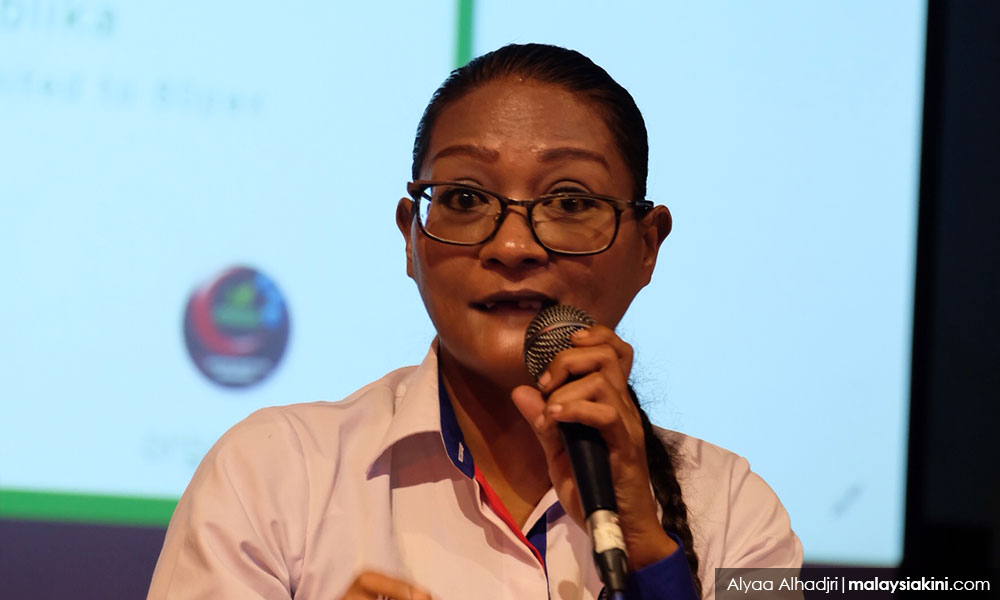
In April, former MSA president Intan Mustika Putri Mokhtar (above, better known as Yuuki Setsuna) lamented the fact that it has been nearly impossible for individuals or groups to conduct cannabis-related research in the country, as the plant is still defined as a narcotic under the Dangerous Drugs Act 1952 (DDA).
Yuuki subsequently passed away on July 4.
MSA claims that the government has rejected foreign studies on the medical use of marijuana, and requested for local evidence to support legalisation.
Cabinet needs to get moving
On March 27, Health Minister Dzulkefly Ahmad (below) told the Dewan Rakyat that there is "space for the ministry to get consent" for clinical research into the use of marijuana for medical purposes.
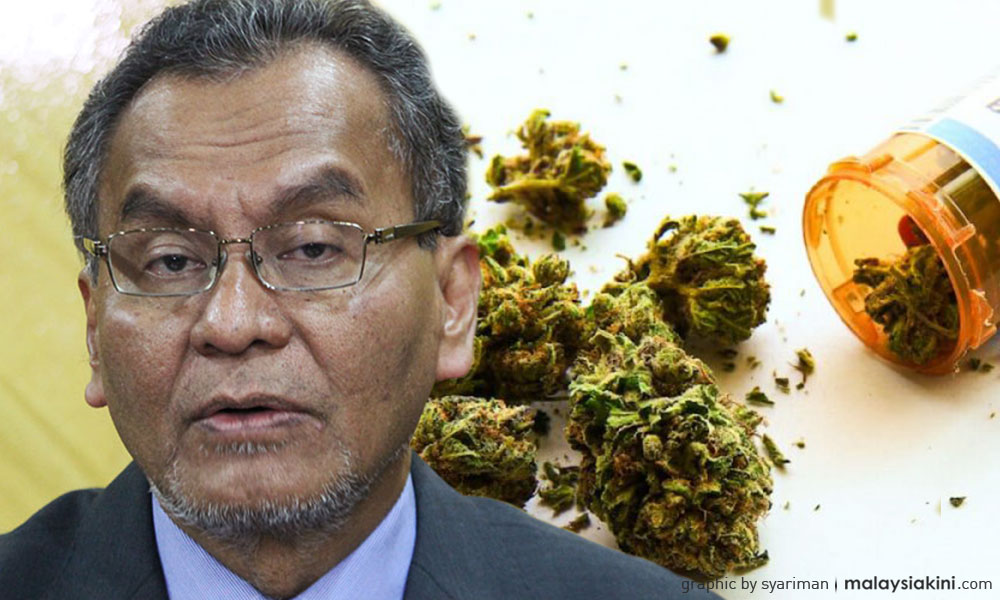
"The ministry has considered medical marijuana being given space for clinical research – not in terms of planting and cultivation, but for the purposes of treatment, medication and health."
On June 27, he also said that the government plans to work towards removing criminal penalties for the personal possession and use of drugs, while emphasising that the decriminalisation of drug addicts and addiction was not to be mistaken for legalising drugs.
"Decriminalisation is the removal of criminal penalties for possessing and using a small quantity of drugs for personal use, as opposed to those who are involved in the trafficking of drugs. Trafficking of drugs will undoubtedly remain a crime," said Dzulkefly.
However, there has yet to be a date announced for the legislation of either of these policy announcements.
Prime Minister Dr Mahathir Mohamad had said in September last year the government should review the case of Muhammad Lukman Mohamad, who was sentenced to death for possessing, processing and distributing cannabis oil.
In the latest development, the Court of Appeal last month set Nov 27 to hear an appeal by the 30-year-old fathe, who was arrested in 2015, together with his then-pregnant wife.
FURTHER READING: 'Six plants per household': How Thailand is moving faster on marijuana laws than M'sia.


Report this comment
Are you sure you want to delete this comment?
This action cannot be undone.