



From the Covid-19 frontlines: Healthcare personnel recount experiences
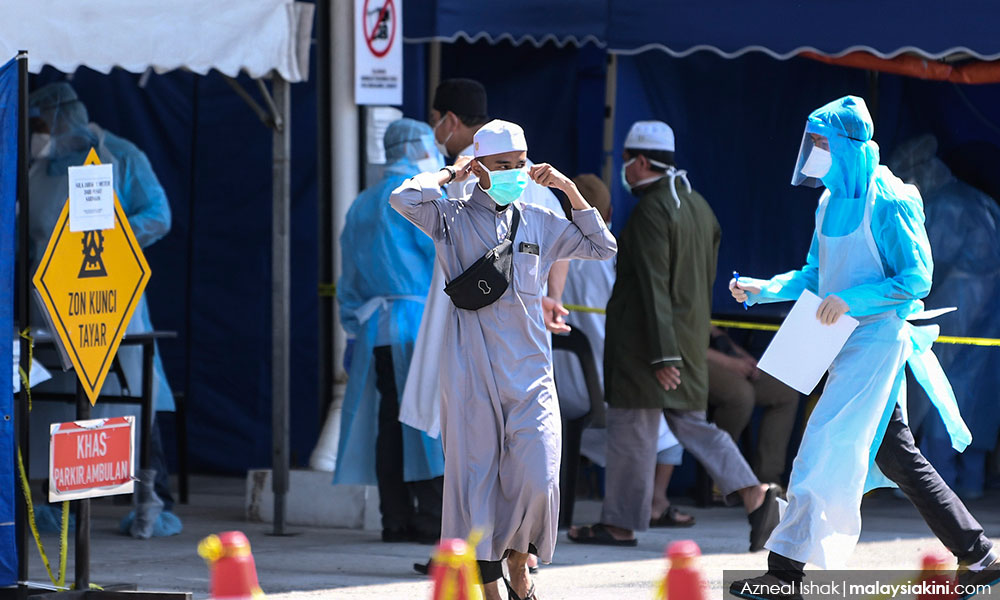
As the Covid-19 outbreak continues to worsen with Malaysia recording its highest single-day increase with 212 new cases and four new deaths yesterday, many healthcare professionals continue working at the frontlines in combatting the spread of the disease.
In Teluk Intan, Perak, 32-year-old medical officer Dr Joash Tan said they are now on call “any time of the day and any day of the week” and their leave is frozen.
As the Covid-19 outbreak continues to worsen with Malaysia recording its highest single-day increase with 212 new cases and four new deaths yesterday, many healthcare professionals continue working at the frontlines in combatting the spread of the disease.
In Teluk Intan, Perak, 32-year-old medical officer Dr Joash Tan said they are now on call “any time of the day and any day of the week” and their leave is frozen.
He also has colleagues who have had to leave their children with their in-laws or babysitters to reduce the risk of Covid-19 transmission.
However, he said that things are not as chaotic as people might expect because everyone involved knew their duties and perform them well.
“The team here in Teluk Intan is well-coordinated, thanks to strong and good leadership,” Tan said to Malaysiakini in a message.
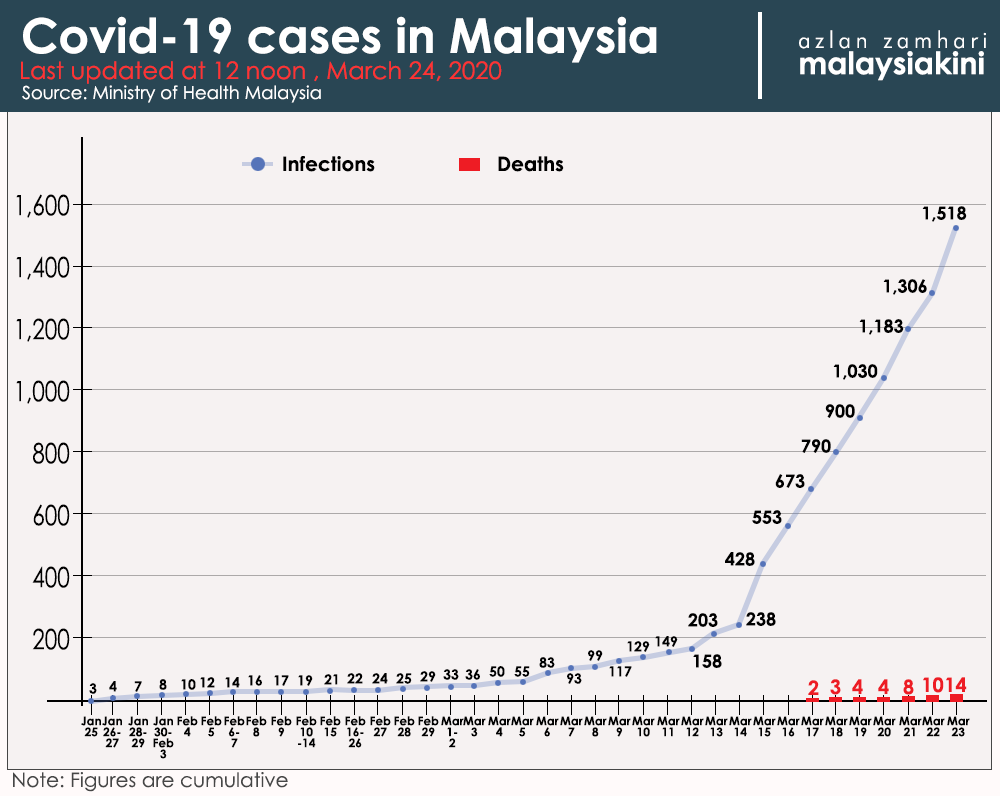
The Covid-19 outbreak hit Malaysia on Jan 25, 2020, when an 11-year-old Chinese national who was travelling from Guangdong, China to Malaysia via Singapore was confirmed positive with the disease.
The biggest cluster so far is the tabligh gathering cluster which saw almost 14,500 local participants. So far, there have 943 confirmed cases from the tabligh cluster.
Currently, Malaysia has 1,518 positive Covid-19 cases with 14 deaths.
Another medical officer from Penang who declined to be named said they too have not been allowed to take time off for now in order to strengthen the frontlines.
The 32-year-old, who lives with his parents, said he has avoided total contact with them since he joined the frontlines as his parents are senior citizens who are more susceptible to the disease.
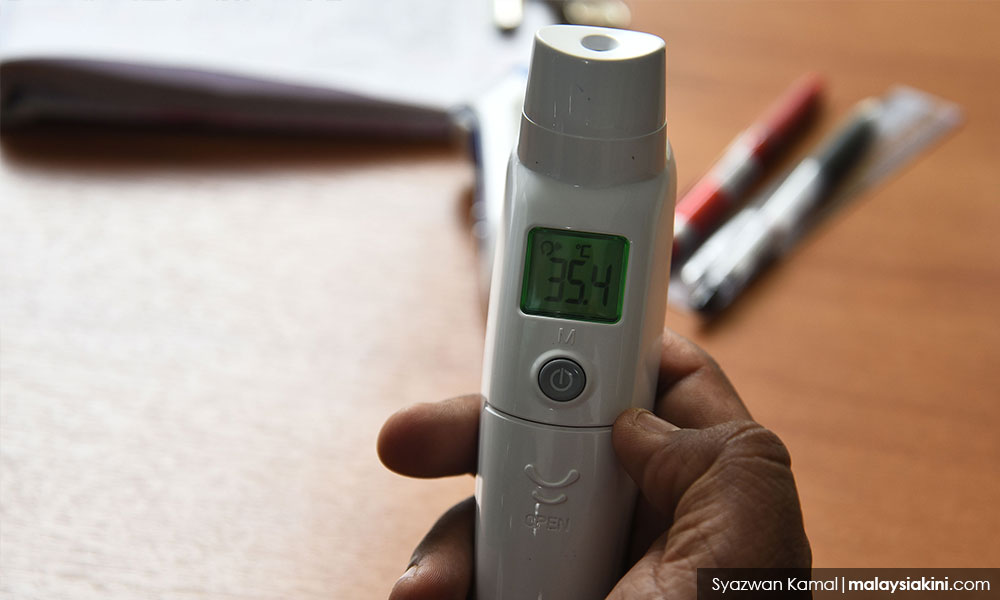
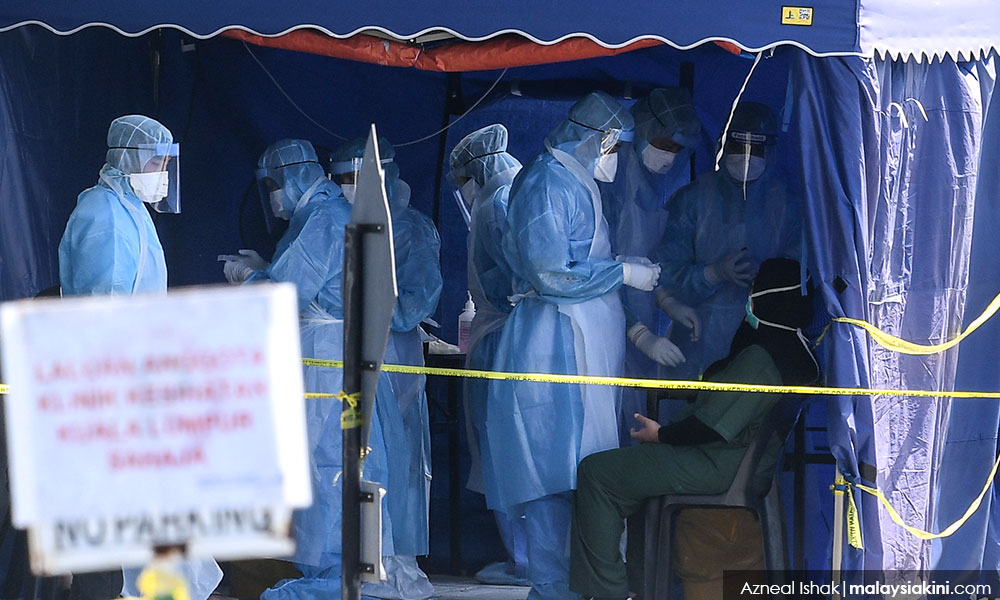
He also stressed that the most important thing for frontliners when facing confirmed or suspected Covid-19 patients was to use personal protective equipment (PPE) which will lower the infection risk for healthcare personnel.
Not only was it important to wear the PPE, but he said removing it properly was also extremely important to prevent contamination.
The medical officer also said some of his colleagues elsewhere have faced cases where patients did not disclose important information about close contact until the end.
“As my colleagues faced them without the PPE, hiding such crucial information will cause them to be at risk to themselves and their surroundings,” he said.
Urging the public to be truthful, he said they will not be criminalised or judged for having close contact as the information is important to protect healthcare personnel and others.
“If more healthcare personnel get affected, the system will crumble and we won’t be able to contain the pandemic.
“At this point in time, there are still gatherings going on despite the movement control order.
“Therefore, I have to emphasise the importance of social distancing, staying indoors and hand hygiene as it can prevent the spread big time,” he said.
Prime Minister Muhyiddin Yassin had announced a movement control order (MCO), effective March 18 and is expected to end on March 31, 2020. However, Muhyiddin has since said that the National Security Council (NSC) will decide on March 30 whether to extend the order.
Meanwhile, Health Ministry director-general Dr Noor Hisham Abdullah had also previously urged the public several times to be truthful about their close contact or travel history to healthcare personnel.
Yesterday, he revealed that a few healthcare personnel in Teluk Intan had been confirmed positive for Covid-19.
Meanwhile, another medical officer from Penang, Dr Kumaraguru Marivapen, told Malaysiakini that they were being swamped with cases.
He said he was “feeling terrible” and could not see his family.
“Wearing this 'Iron Man' kind of suit, I can’t even scratch anything,” he said, referring to the PPE healthcare personnel are required to wear when dealing with confirmed or suspected Covid-19 patients.
In Kuala Lumpur, 32-year-old Dr Nur Sa’idah said she and her husband, who is also a medical officer, are on duty in different states.
Due to the MCO, she cannot leave Kuala Lumpur to see her husband in Johor.
“But in the last few months, I did try, if possible when I am free, to see him once every few weeks or he will come to see me.
“We already expected the situation to become like this,” she said in an emotional tone.
She also said there had been a case where they missed diagnosing a patient who was only confirmed positive for Covid-19 after the patient was admitted to the hospital.
“So all the staff that had directly treated the patient had to be quarantined.
“That is when we started to lack medical officers,” she said.
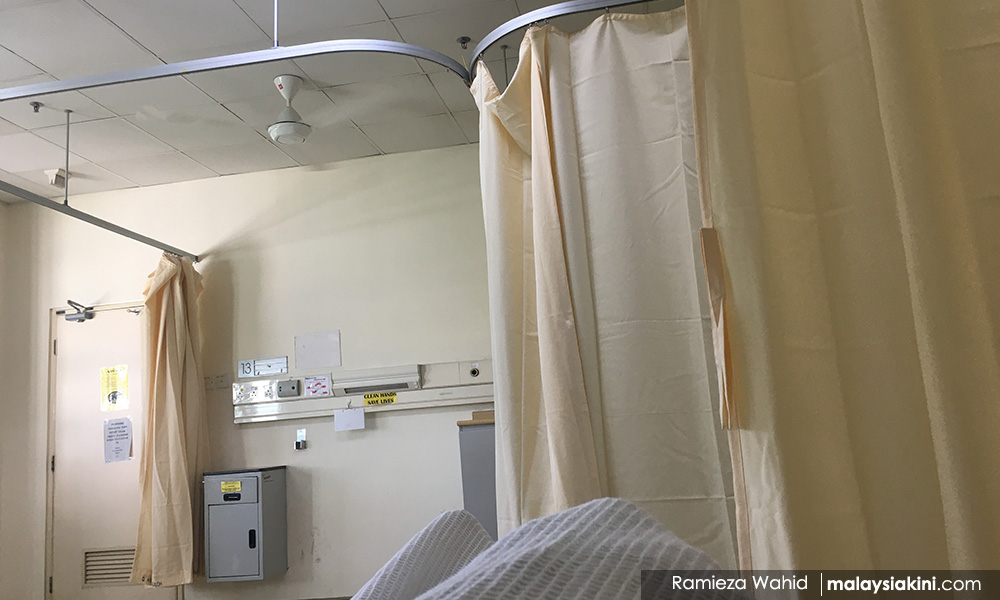
Nur Sa’idah also said the number of medical officers per shift at her hospital has also been decreased in order to lower the risk of infection among their staff.
Meanwhile, 33-year-old Dr Azhar from Terengganu said the hospital has cancelled all non-emergency surgeries to cope with the Covid-19 outbreak.
“[...] the entrances to the hospital building have also been limited, all leave for staff has been frozen and some medical officers have been pulled to work at the Sungai Buloh Hospital,” he said, adding that the situation at his hospital was under control.
The Sungai Buloh Hospital in Selangor is one of the main hospitals in the fight against Covid-19 and many confirmed cases are being treated there.
For nurses, 25-year-old Hidayah who is stationed at a private hospital in Negeri Sembilan, said patients who come to the hospital for other purposes have to go through tight screening and many of them are turned away due to fear of Covid-19 transmission.
She and her fellow nurses have also had to do a lot of overtime due to a lack of manpower.
“The situation in the hospital, especially in the emergency unit, is quite chaotic because we cannot predict who will be positive for Covid-19.
“Before this, our shifts were usually about nine hours but now we have to work sometimes up to two shifts (per person) because we do not have enough people and some of us have been quarantined,” she said.
However, not everything is bleak for healthcare personnel right now.
Tan said he has seen so many acts of kindness extended to them during the crisis.
“Strangers have donated food and drinks to us. Messages of support have come in to encourage us.
“Ex-staff have called to offer to come back to work in the event we are short of staff.
“Small gestures like these mean a lot to us and reminds us that we are not alone or forgotten,” he said.
Tan said everyone should play a role in combatting Covid-19 as they cannot overcome the crisis alone.
“We are working tirelessly and fearlessly to overcome this crisis and we will not stop until we win this war,” he said.



Report this comment
Are you sure you want to delete this comment?
This action cannot be undone.