




Japanese royal couple to visit Malaysia
Japanese Emperor Akihito and Empress Michiko are to embark on a tour of Southeast Asia in their latest mission to better ties with neighbours and heal the scars of Tokyo's wartime aggression.
Japanese Emperor Akihito and Empress Michiko are to embark on a tour of Southeast Asia in their latest mission to better ties with neighbours and heal the scars of Tokyo's wartime aggression.
"I hope this trip will help raise mutual understanding and improve friendly ties between Japan and these countries," the emperor said ahead of his visit to Singapore, Malaysia and Thailand starting tomorrow.
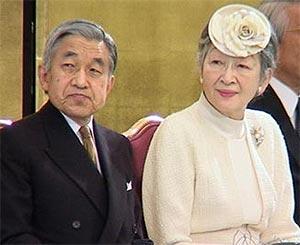 "I repeatedly feel pain in my heart about the fact that many people, including the Japanese, lost their lives during the war," the emperor told a news conference with Empress Michiko at the Imperial Palace yesterday.
"We should never forget about this history and I think each of our citizens should cooperate and make an effort to form a society with no fighting," he said.
It will be their first trip overseas since the royal couple mourned for the victims of World War II on the Pacific island of Saipan last June to mark the 60th anniversary of the end of the war.
Second visit to Malaysia
Tomorrow, the emperor and empress are scheduled to leave for Singapore on their first state visit to the island which coincides with the 40th anniversary of the start of diplomatic relations between the two nations.
The royal couple will attend a banquet hosted by President SR Nathan, while they will also meet with former Prime Minister Lee Kuan Yew and his wife, the imperial household agency said.
The couple will then fly to Malaysia on Saturday and visit the northern Malaysian state of Perak. This is their second visit to the country since the emperor ascended to the throne in 1989.
They will move to Bangkok via Kuala Lumpur on Sunday to participate in events marking the 60th anniversary of King Bhumibol Adulyadej's reign, along with royals from Asian and European countries, on June 12-13.
During the news conference, the emperor, whose father Hirohito was revered as divine during Japan's conquest of Asia, denied there was any risk of a return to past militarism.
"The situation today is totally different from before the war," Akihito said. "There was an abnormal situation. I believe Japan will head down the path of the future, pledging that such things should never occur again."
However, he voiced concern about fading memories of the nation's wartime conduct among younger generations.
"Sixty years have past since the end of war and the number of those with no experience of it is increasing," he said. "That is my deep concern."
Promote patriotism
Other Asian nations are worried about signs of rising Japanese nationalism and have strongly protested Prime Minister Junichiro Koizumi's visits to a war shrine which honours 2.5 million war dead including 14 top war criminals.
Japan has gradually become less cautious about outright displays of patriotism that had been shunned since World War II.
Japan's government in April approved new legislation to revise education laws to promote patriotism in schools, a taboo since World War II.
In 1999, the government established "Kimigayo," which honors the emperor, as the national anthem and officially made the rising-sun flag an emblem of the state.
Japan's ruling Liberal Democratic Party also plans to revise its pacifist post-World War II constitution to allow Japan to possess a military in name for the first time since its 1945 defeat.


