



After residents protest, MOH assures quarantine centre will be well-prepared
The Sungai Buloh Settlement Council said they have received assurances from the Health Ministry that the Valley of Hope community hall will not be used as a Covid-19 quarantine centre until safety measures are put in place.
In a statement, they said the assurances were given by Health Ministry medical development division deputy director Dr Asmah Samat.
"The Health Ministry is also looking for more...
The Sungai Buloh Settlement Council said they have received assurances from the Health Ministry that the Valley of Hope community hall will not be used as a Covid-19 quarantine centre until safety measures are put in place.
In a statement, they said the assurances were given by Health Ministry medical development division deputy director Dr Asmah Samat.
"The Health Ministry is also looking for more suitable and readily-equipped venues that do not require as much cost as the council hall to be used as a Covid-19 isolation centre.
"The council's hall is an alternative should a more suitable venue not be available," they said.
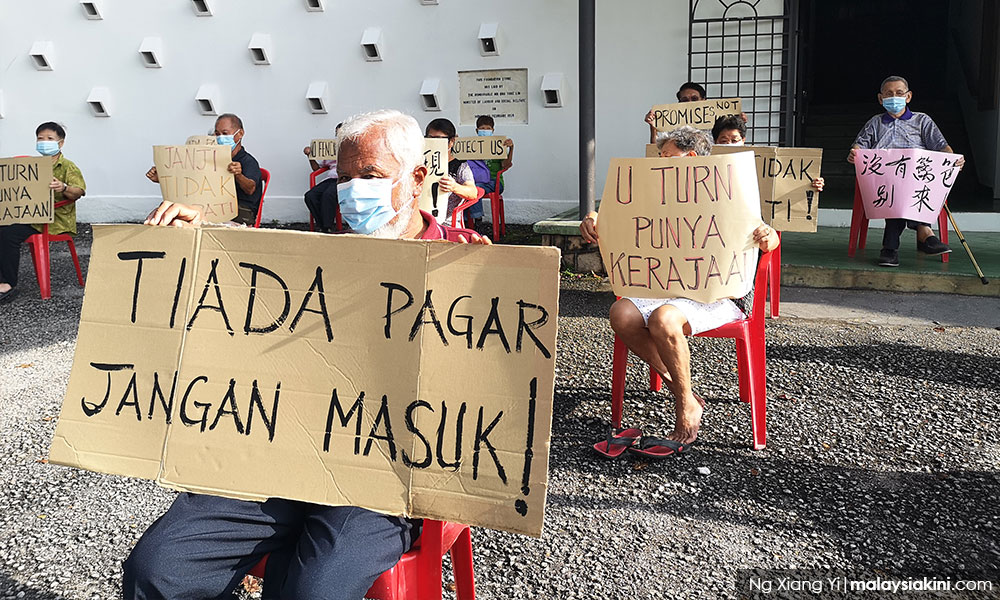
Earlier this morning the council organised a silent protest at the Valley of Hope over a plan to use its community hall as a Covid-19 quarantine centre.
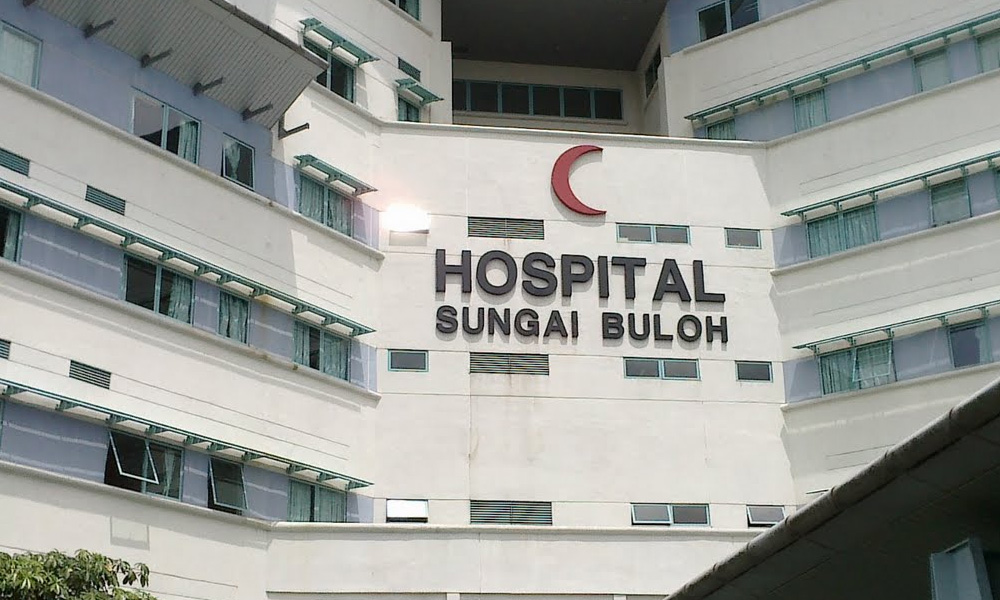
This is over what it claimed is the Sungai Buloh Hospital's failure to take appropriate security and precautionary measures before converting the settlement's local hall into a quarantine centre.
According to the council which comprises former leprosy patients living in the area, the Sungai Buloh Hospital had set up 110 beds in the hall yesterday and planned to move in 106 Covid-19 patients today.
However, it claimed the hospital did not fulfil its agreement with the council made on Oct 27.
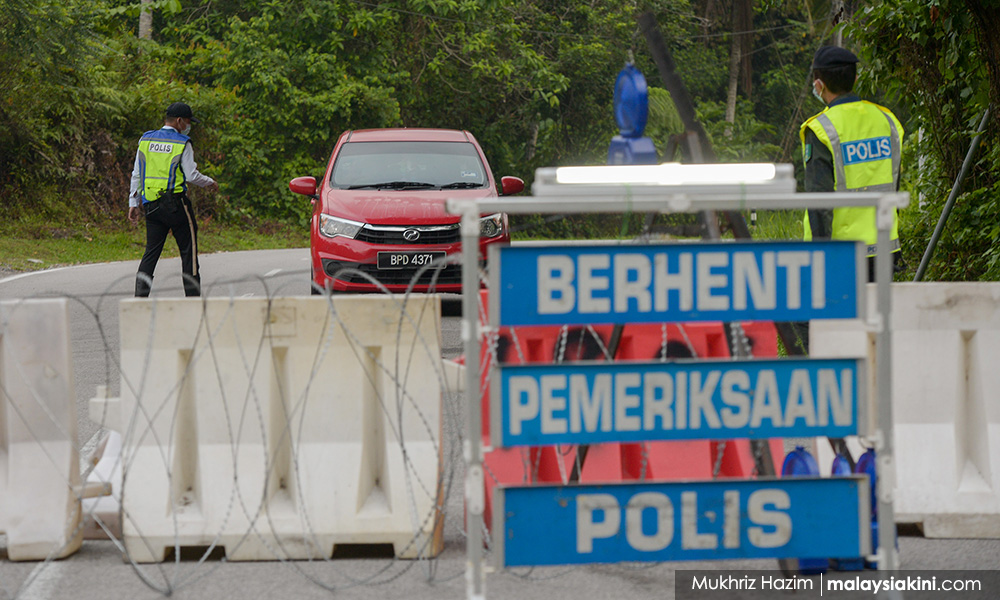
The agreement was for authorities to roll out barbed wire fencing and partitions to separate the red and green zones.
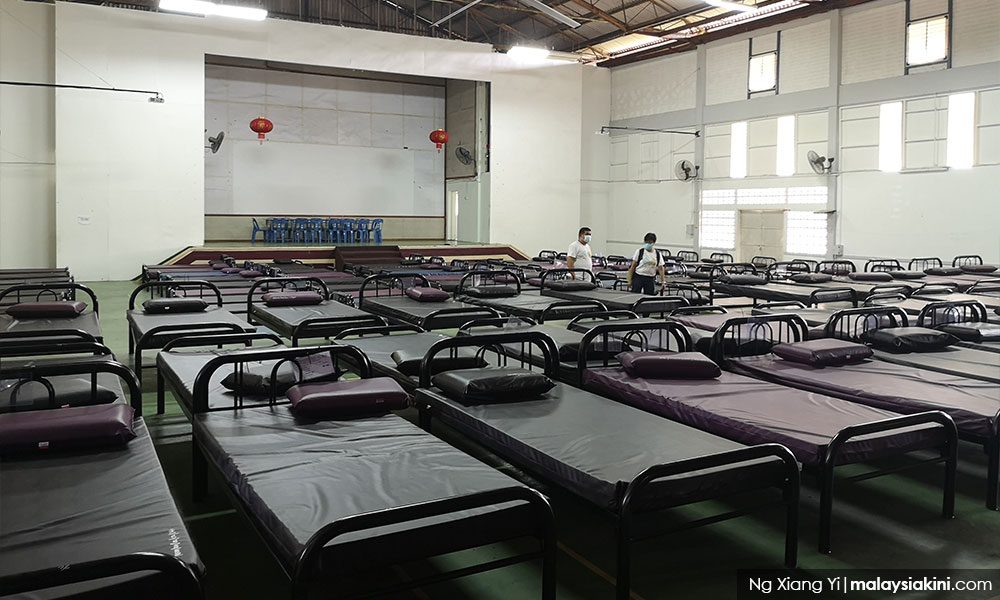
Furthermore, the council had also requested for the setting up of basic daily-need facilities and a decontamination area for medical staff.
Several council members gathered in front of the hall at 9am with placards reading “Promise not kept”, “Tiada pagar jangan masuk” (no fence, no entry) and “Protect us”.
The council members are a group of former leprosy patients under the National Leprosy Centre, who are aged 65 years old and above.
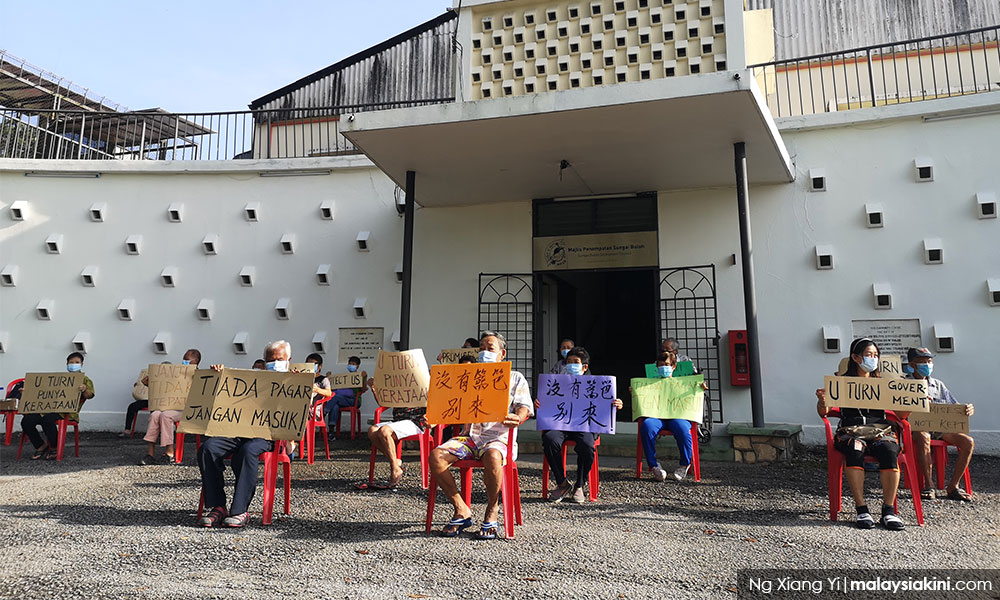
The National Leprosy Centre was built in 1930 and was in use until 1995. It was originally designed as a settlement to separate leprosy patients from the population.
It later became known as the Valley of Hope. Activists have been campaigning for the buildings to be preserved and recognised as a national heritage.
According to council president Tan Hing (below), there are about 120 residents staying at the settlement and they are worried about their safety because the hospital did not adhere to their previous agreement.
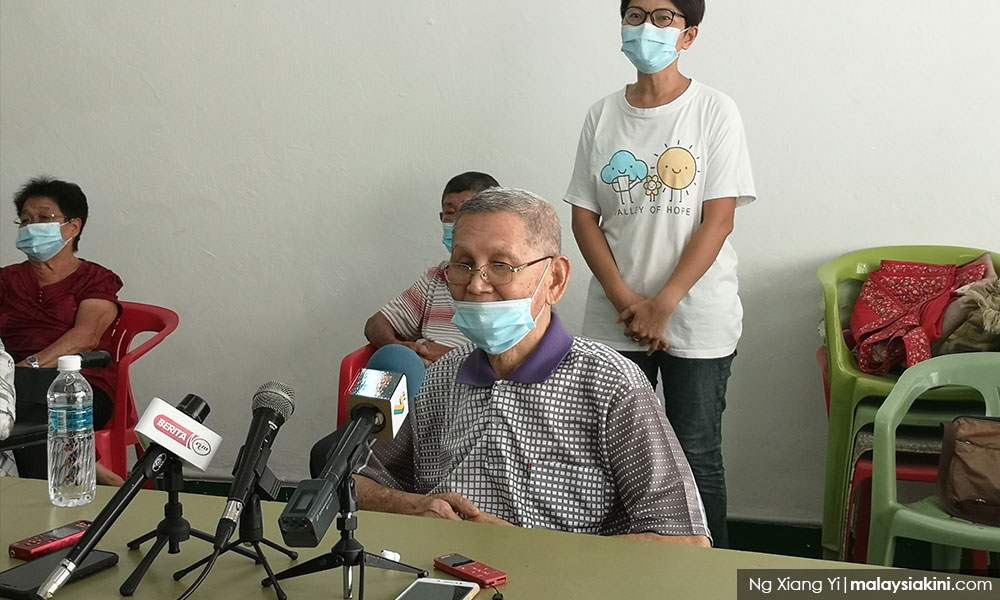
“The virus is dangerous. If the quarantine centre does not have any fencing, what will happen if the patients run away?
“And there are no facilities set up yet, the hall is not ready for patients to stay in,” he added.
Council vice-president Lee Chor Seng said that they had handed the hall keys over to the hospital on Oct 27 but did not expect the latter to violate the agreement.
“We all stay very near (to this hall). People are selling flowers and plants here too. The government must take into account everyone,” he lamented.
Council member Abdul Rauf Haji Ibrahim (below) told the media that they understood the Health Ministry needed more places to house patients due to the spike in Covid-19 cases.
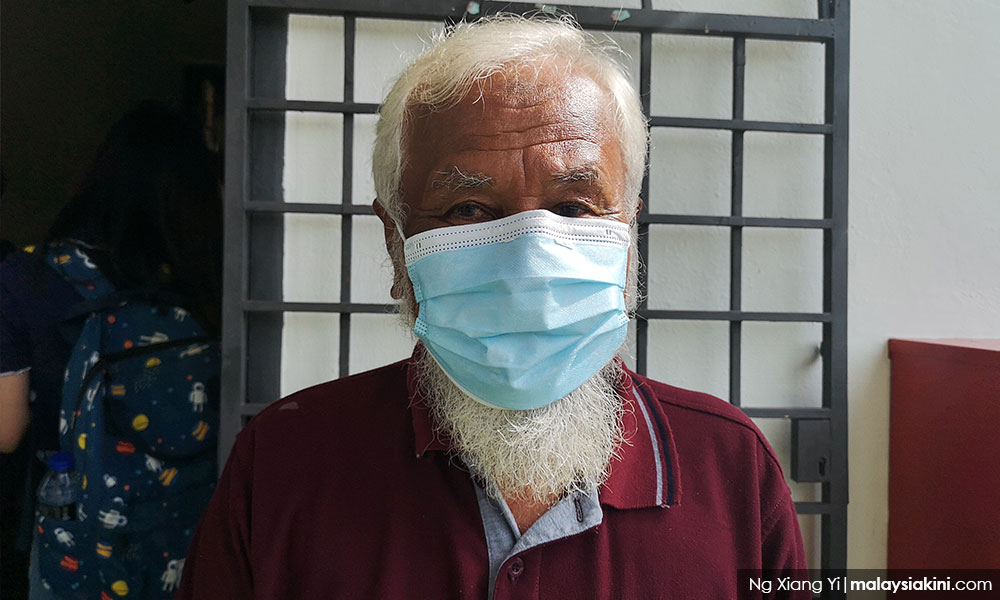
However, the lack of safety and security measures has caused dissatisfaction amongst local residents, he said.
“The residents here are all elderly, easily infected (by the virus)... but we understand this is a national task and we have to sacrifice.
“But where are the promises? (The lack of) precautions and control measures, that is why we are unhappy,” he explained.
Council vice-secretary Tan Ean Nee (below) pointed out the community hall was actually unsuitable for quarantine purposes as it lacked living facilities and was warm during the day time.
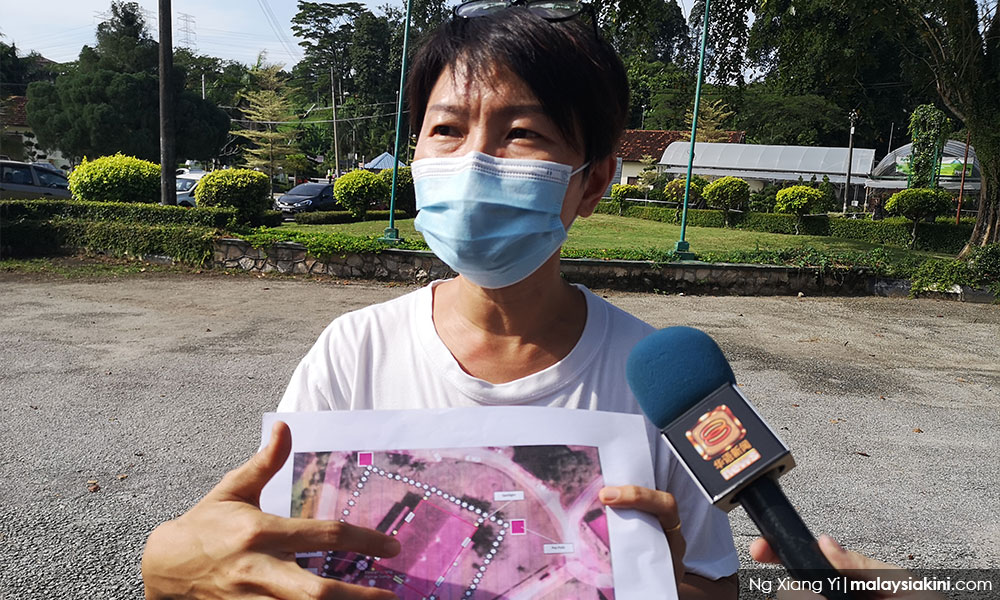
Residents, however, understood the urgency of the matter and therefore had set the preconditions with the hospital before taking in any patients in order to have a better environment for quarantine.
However, the hospital brought beds into the hall without prior notice and did not set up the security measures as promised.
“They cannot go their own way without notifying us. The residents and patients both have the right to be protected.
“Under the current circumstances which are full of limitations, we could at least take care of their psychological and physical needs (by setting up the necessary measures),” she added.
She hopes the hospital will take their concerns into account and discuss the matter with the council before any further action.
“This is for the sake of the patients, medical officers and local residents."
In April, the Health Ministry had also converted one of the National Leprosy Centre workshops at the Sungai Buloh Hospital into a ward for Covid-19 patients.


Report this comment
Are you sure you want to delete this comment?
This action cannot be undone.