



Scanners not repaired for a year, possible avenue for smugglers at Westports
After a longstanding smuggling network was exposed in the recent "meat cartel" scandal, another loophole in the inspection of goods entering our country has been brought to light.
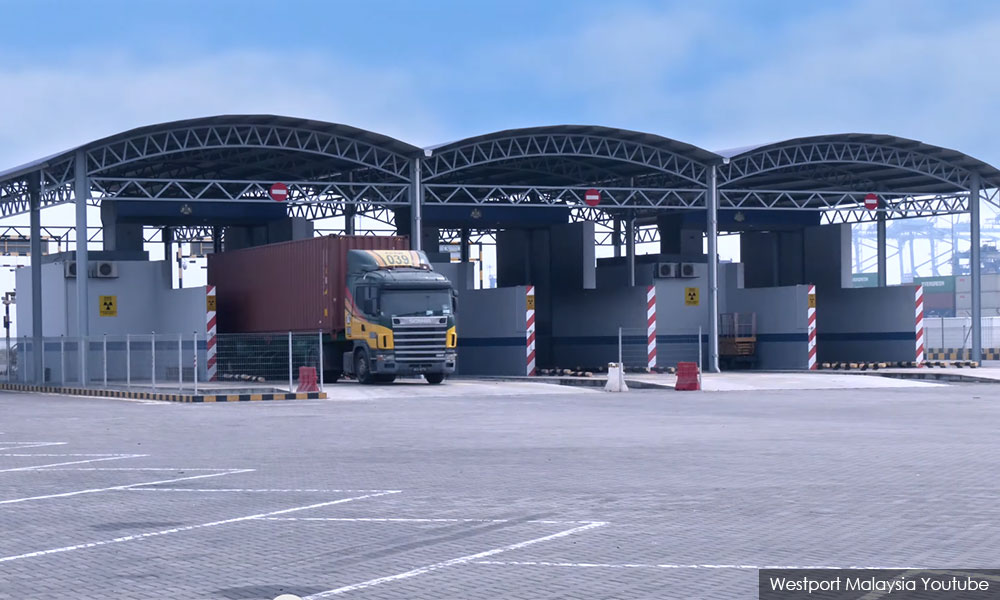
Three cargo inspection scanners at Westports, a multi-cargo terminal in Port Klang, were revealed to not be functioning for nearly a year, which may have left the door open to smugglers, according to a source in the industry.
All containers carrying imported goods generally need to pass through customs inspection upon arriving at the seaport where X-ray scanners...
After a longstanding smuggling network was exposed in the recent "meat cartel" scandal, another loophole in the inspection of goods entering our country has been brought to light.
Three cargo inspection scanners at Westports, a multi-cargo terminal in Port Klang, were revealed to not be functioning for nearly a year, which may have left the door open to smugglers, according to a source in the industry.
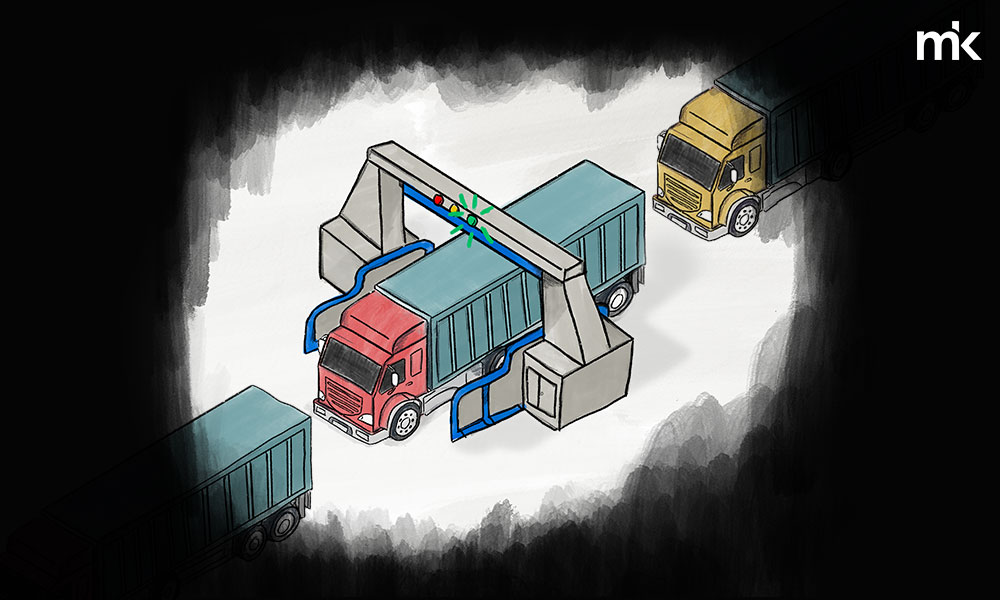
All containers carrying imported goods generally need to pass through customs inspection upon arriving at the seaport where X-ray scanners help customs officers peer into the contents.
Smuggling activities could be detected if the scanned images shown do not match with what was declared to the Customs Department.
However, three scanners were allegedly found broken and left unrepaired for a year since December 2019.
"Do you know why smuggling activities are increasing? In fact, the equipment of the Customs Department has not been repaired for a long time," said the industry source.
"The machines in Westport have not been operating for almost a year. The traffic lights (in front of the scanning stations) are off and lorries carrying the containers are allowed to pass freely.
"It doesn't matter to the driver. If the Customs Department asks them to pass, then they will just pass."
According to a document sighted by Malaysiakini, a customs official made a report to the upper management saying that "no images were scanned" by the three machines since December 2019.
Several documents also showed that the Customs Department did make a visit to the site to "diagnose the damage". However, the machines have allegedly not been repaired.
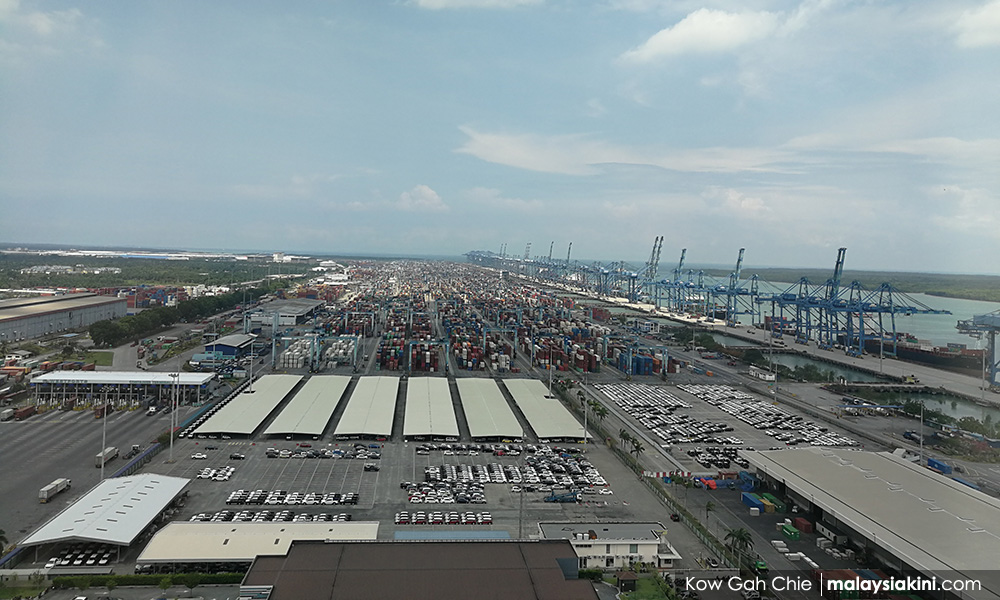
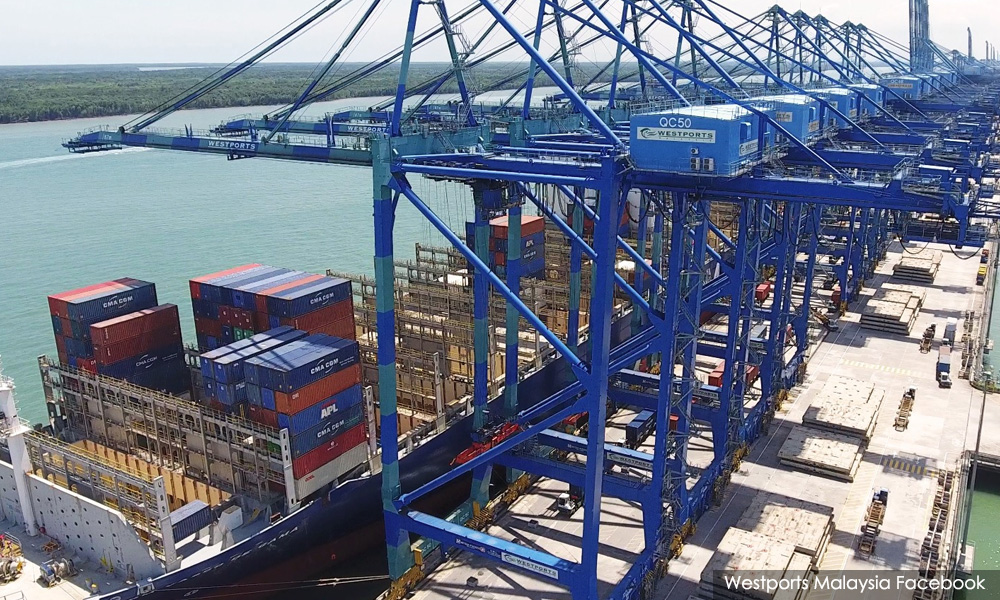
West Port Klang is one of the busiest deep-water terminals not just in Malaysia but also in Southeast Asia. According to a quarterly report of Westports Holdings, over 7.7 million TEUs were processed in the first nine months of 2020.
TEU stands for "twenty-foot equivalent unit" which can be used to measure a ship's cargo-carrying capacity. The dimensions of one TEU are equal to that of a standard 20-feet shipping container which is 20-feet long (6.1m) and eight-feet tall (2.4m).
Containers passing through as usual
Despite the faulty machinery, shipping containers are still entering Malaysia via Westports, passing through customs clearance as usual, claimed freight forwarding industry players.
When contacted, two local freight forwarding companies told Malaysiakini that they are unaware of the issue and that their drivers did not find any problems with the scanners at the checkpoints.
“Our containers must pass through (the scanning stations), and the scanner will take pictures automatically.
"For a logistics company like us, we would not actually go in (the control room) to see if the machines are operating," said a freight forwarding company manager who wished to remain anonymous.
Having been in the industry for more than a decade, he claimed incidents of lorries crashing into the scanners happen often.
He said he didn't think the crash was an accident due to oversized shipping containers as the container sizes must follow international standards.
"We have seen the video (of the crash). The driver actually seems to purposely crash into it," he added.
As a result of the lorry crash, one of the scanners at Westports could not function properly, said the source.
Malaysiakini is unable to independently verify the above allegations.
Essential records for investigations
When the scanning stations are functioning properly, the cargo inspection will record the date, time, container number, the lorry's licence plate, as well as photos of the lorry from different angles.
More importantly, the X-ray image showing the contents of the container will be recorded.
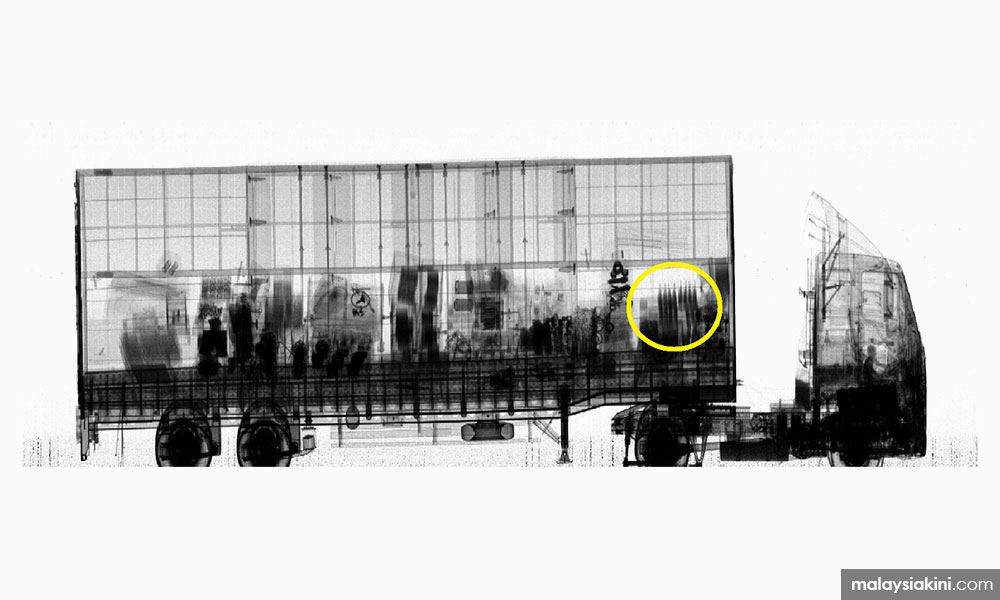
"The shape of (smuggled) wine bottles will be very obvious in those images," explained the industry source.
"Another example is if you declare imported car parts, but a whole assembled car is detected, then you are obviously smuggling.
"When suspected smuggling is detected, the recorded data can be used to support investigation and prosecution. It can be used as evidence in court.
"So without the records, once the smuggled container is cleared, it will be difficult to trace or prove the smuggling anymore,” he said.
Shortcomings in human visual inspection
The source added that when the scanner system is down, the Customs Department still has the power to request a manual visual inspection.
However, human inspection is time-consuming, can be inaccurate, and loopholes to evade taxes will still exist, he said.
"If they (customs officials) open the container for manual inspection, it is not like you just open the door from behind and take a look.
"You need to move the goods out for thorough checking, and the whole process will be slow," the source explained.
Port Klang Authority (PKA) chairperson Chong Sin Woon, in his recent article published in Oriental Daily, stressed that the Customs Department is one of the important "gatekeepers" at the seaports.
However, the efficiency of the gatekeeper is now in question. It is puzzling how the authorities are controlling the smuggling and tax evasion when the gate is allegedly wide open.
Malaysiakini has contacted the Customs Department for a response.
Meanwhile, PKA, responding to this article, said the scanners fall under the jurisdiction of the Customs Department.
"The use of container scanners is a common practice to detect undeclared or improperly declared cargo passing through ports.
"As in other international ports, cargo scanners in Malaysian ports are placed under the jurisdiction of the Customs Department, with the port only providing suitable sites and the necessary amenities to support its operations within the port area.
"With reference to recent press reports of dysfunctional scanners at Westports, it is best that the issue be referred to the Customs Department for clarification," it added.




Are you sure you want to delete this comment?
This action cannot be undone.