



'Attempt to remove joint-tender entity key reason for aborted KL-S'pore HSR'
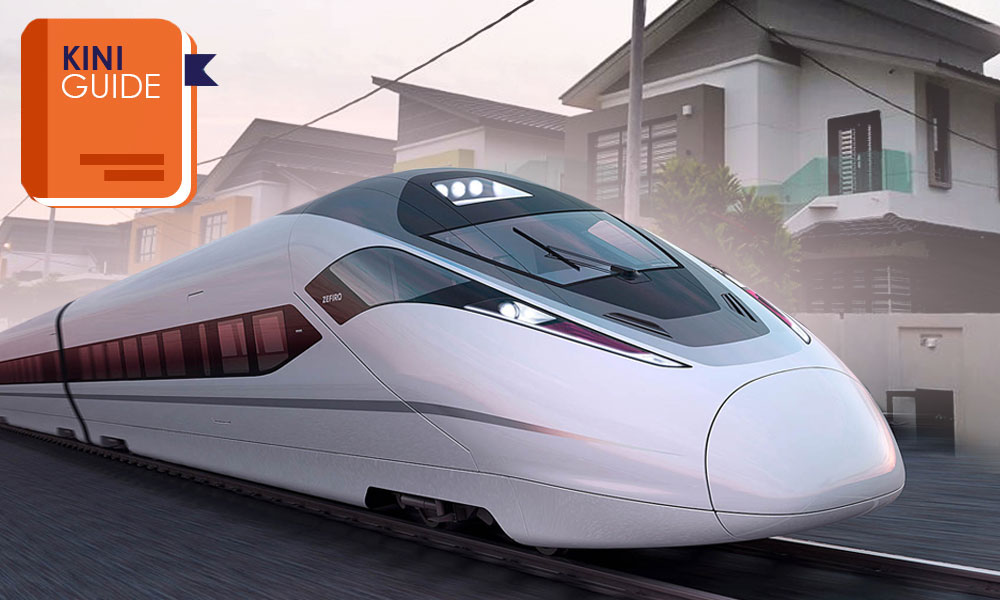
Malaysia's attempt to remove the assets company (AssetsCo), which would have required it to be jointly-tendered with Singapore, was the main stumbling block to the Kuala Lumpur-Singapore High Speed Rail (HSR) project.
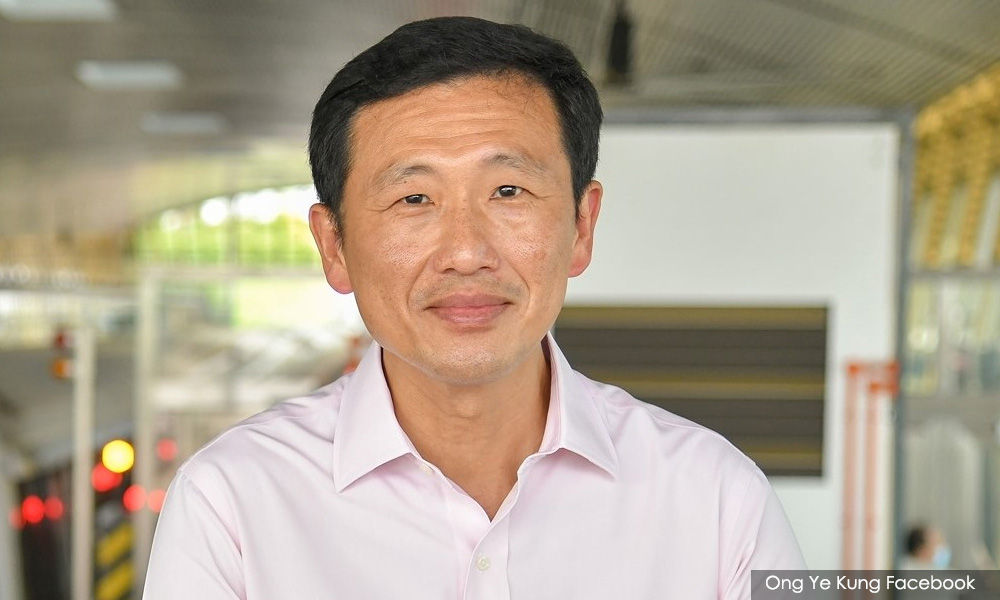
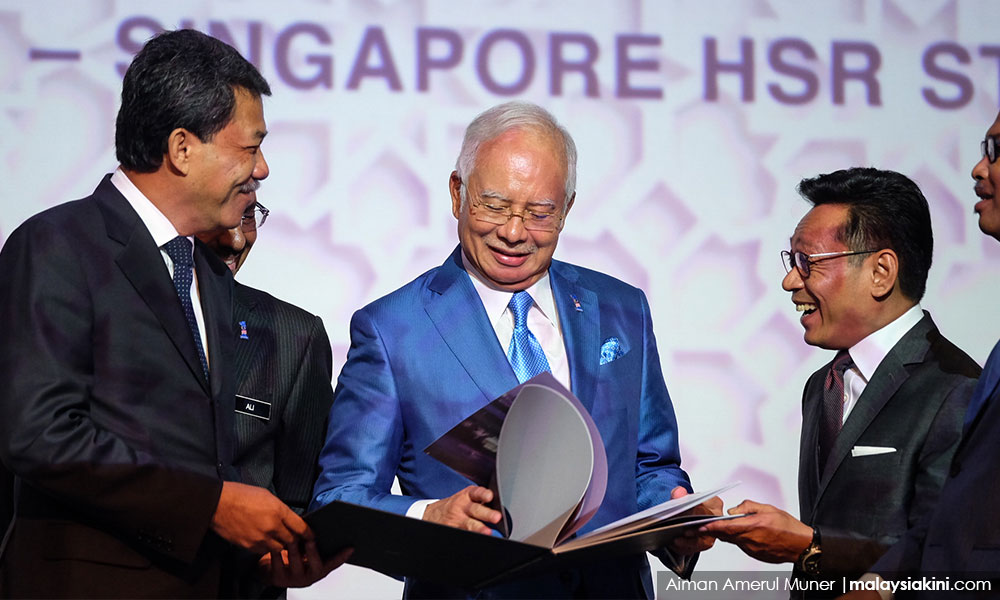
Singapore's Transport Minister Ong Ye Kung (photo, above) told the city state's Parliament today that the removal of AssetsCo was Singapore's main concern when Malaysia proposed changes to the project, according to Singapore daily The Straits Times.
Ong said the AssetCo would have ensured accountability to both countries...
Malaysia's attempt to remove the assets company (AssetsCo), which would have required it to be jointly tendered with Singapore, was the main stumbling block to the Kuala Lumpur-Singapore High Speed Rail (HSR) project.
Singapore's Transport Minister Ong Ye Kung (photo, above) told the city state's Parliament today that the removal of AssetsCo was Singapore's main concern when Malaysia proposed changes to the project, according to Singapore daily The Straits Times.
Ong said the AssetCo would have ensured accountability to both countries.
"Because neither country has the expertise and experience in operating the HSR, we agreed under the HSR bilateral agreement to appoint a best-in-class industry player through an open and transparent international tender to assume the role of the AssetsCo.
"Once appointed, the AssetsCo will supply the train system, operate the network, ensure that appropriate priority is given to cross-border HSR service vis-a-vis Malaysia's domestic service, and be accountable to both Singapore and Malaysia," Ong was quoted as saying.
Without AssetsCo, Malaysia and Singapore would likely tender the components of the HSR on their own side of the border, with the other party having little say in their counterpart's tender process.
Ong was also quoted as saying that the removal of AssetsCo was a "fundamental departure" from the HSR bilateral agreement and was unacceptable.
On Jan 1, the prime ministers of both countries announced that the bilateral agreement on the HSR would be terminated as they could not come to an agreement.
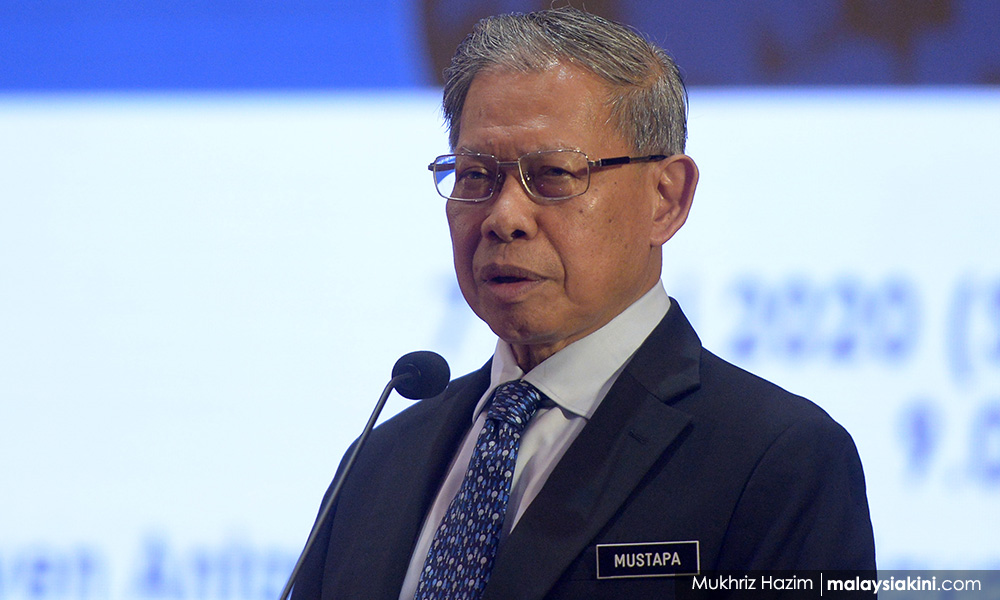
Malaysia's Minister in the Prime Minister's Department Mustapa Mohamed, who is in charge of the Economic Planning Unit, said the proposed changes were necessary as the original project was no longer viable under Malaysia's pandemic-hit economy.
Mustapa said the proposed changes would have provided Putrajaya flexibility in financial options and to leverage the project to accelerate growth after the pandemic.
Ong, in his statement to the Singapore Parliament, said Malaysia also wanted to alter the alignment of the HSR, where it will have a station at Kuala Lumpur International Airport by sharing the same line with the Express Rail Link (ERL).
"The Express Rail Link is an existing train system model (that) runs at half the full speed of HSR, so should we have proceeded, there would have been many technical issues to resolve.
"But having said that, the main concern for us was the removal of the AssetsCo," he was quoted as saying.
Ong also said that the amount of compensation Malaysia has to pay is outlined in the terminated bilateral agreement, but said he could not disclose the figure due to confidentiality reasons.
Putrajaya, which had said it will honour its obligations, also has not revealed how much the termination will cost Malaysian taxpayers.
Compensation estimated at around RM300 million
Business portal The Edge Markets estimates that the compensation will be around RM300 million.
Ong said Singapore had thus far incurred S$270 million (RM819 million) for the HSR project.
He said Singapore expects compensation for various abortive costs, except for land acquisition, which can be recovered.
In April 2018, Malaysia and Singapore had jointly called for a tender to appoint the AssetsCo and had attracted six bidders.
However, the project was delayed after a change in the Malaysian government in May that year, where the Pakatan Harapan government sought to reduce the cost and was given until the end of May 2020 to negotiate.
However, the Harapan government collapsed in late February 2020 and the new Perikatan Nasional government took over negotiations and was given until December 2020.
The bilateral agreement lapsed after no consensus was achieved by the deadline.
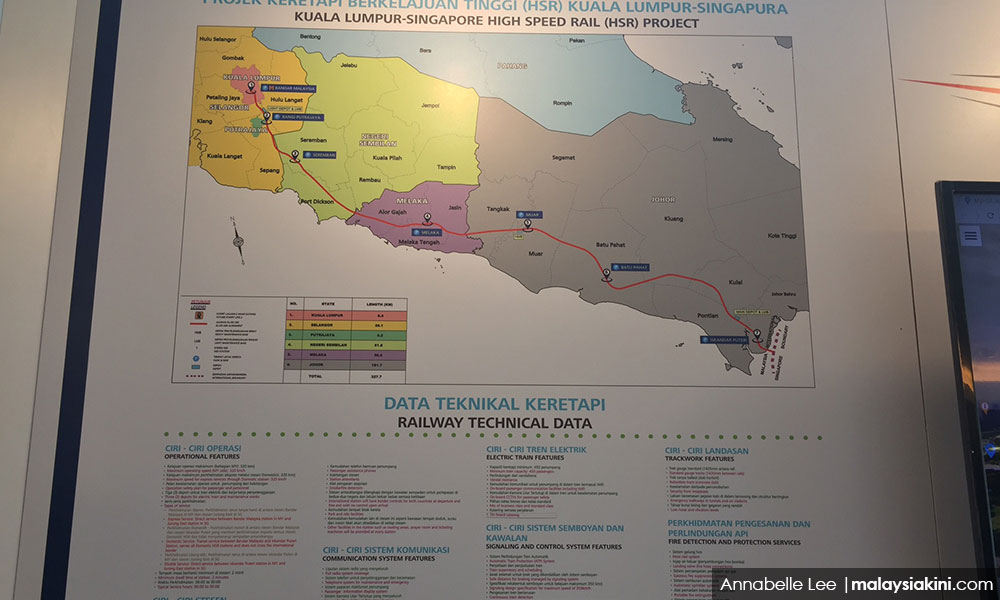
The 350km rail line would have shortened the travel time between Malaysia and Singapore to 90 minutes.
It was to have stations in Bandar Malaysia, Sepang-Putrajaya, Seremban, Ayer Keroh, Muar, Batu Pahat and Iskandar Puteri in Malaysia and Jurong East in Singapore.



Report this comment
Are you sure you want to delete this comment?
This action cannot be undone.