



Severe Covid-19 cases almost doubled in two weeks
COVID-19 | The proportion of severe Covid-19 cases has almost doubled in just half a month.
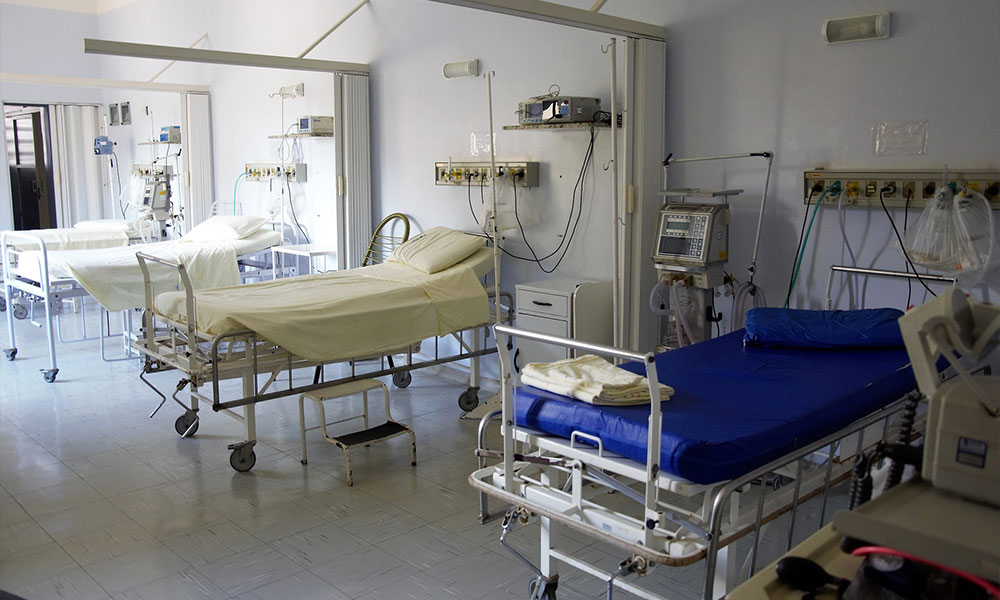
This came as the Health Ministry mobilised 14 more public hospitals and allocated more beds to treat patients with the virus.
Cases are classified into categories, the most severe being...
COVID-19 | The proportion of severe Covid-19 cases has almost doubled in just half a month.
This came as the Health Ministry mobilised 14 more public hospitals and allocated additional beds to treat patients with the virus.
Cases are classified into categories, the most severe being Category 4 (patients with pneumonia and requiring oxygen) and Category 5 (patients with critical illness and multi-organ failure).
According to the ministry’s Crisis Preparedness and Response Centre (CPRC), Category 4 and 5 patients made up nine percent of all infections as of Jan 4.
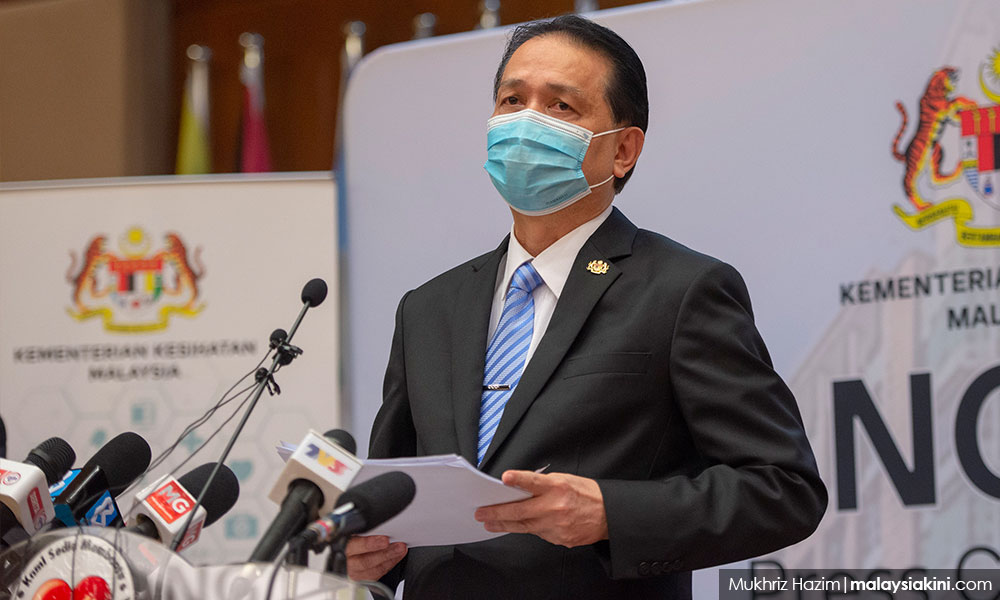
Just over two weeks later, these patients now make up 15 percent of all Covid-19 cases, said Health director-general Dr Noor Hisham Abdullah.
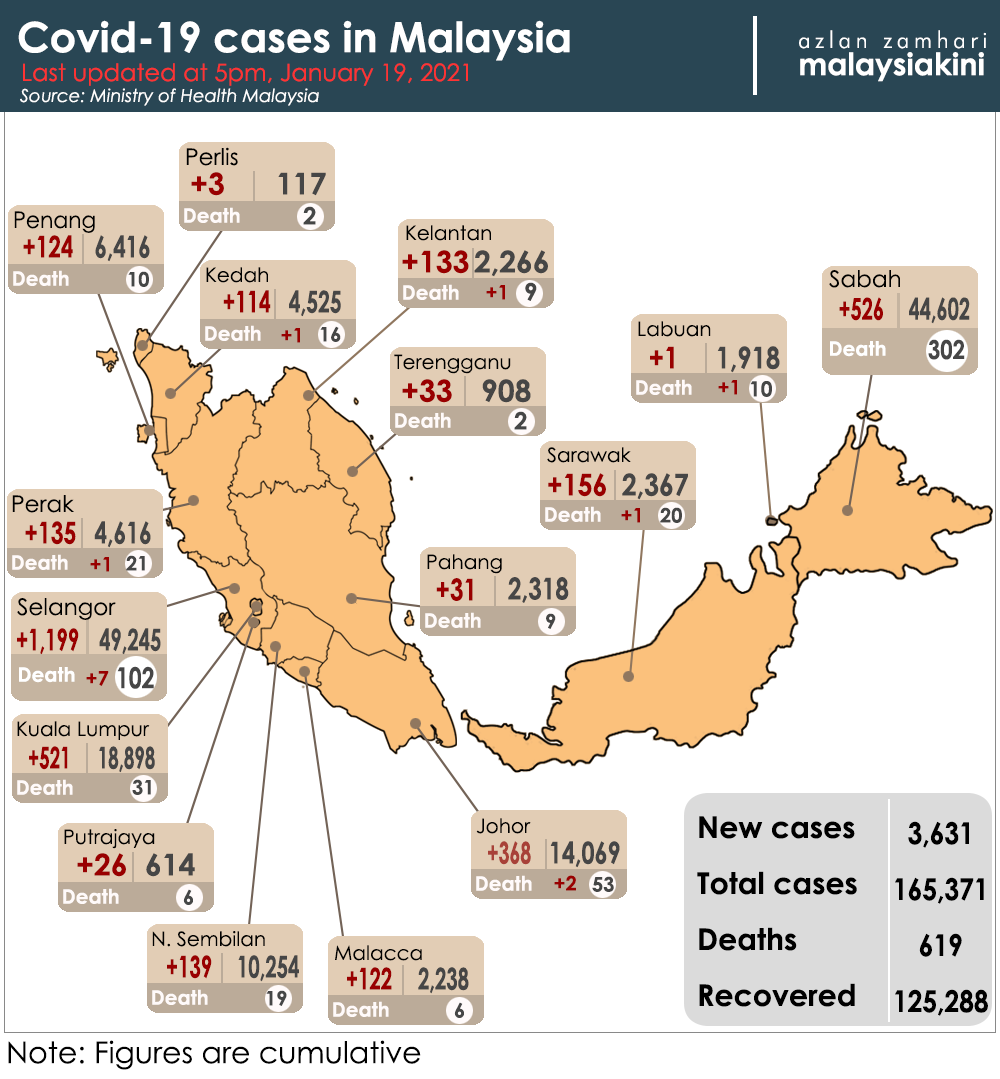
With 39,464 active cases nationwide as of today, this suggested that about 5,900 Covid-19 patients are in serious condition.
“Patients in Category 4 and 5 have increased to 15 percent. This is very high.
“If we group them together with Category 3 patients, this may make up around 20 percent (of all patients),” he said at a press conference this evening.
Category 3 patients are those with serious Covid-19 symptoms.
539 more Covid-19 beds
The ministry presently hospitalises Category 3, 4 and 5 patients.
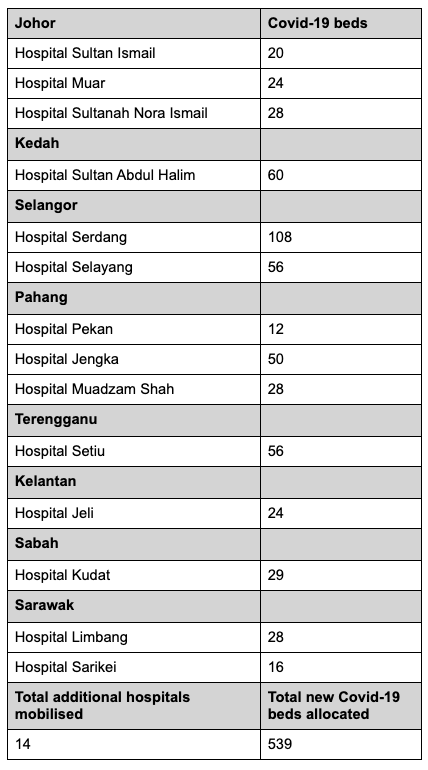
From this month onwards, Noor Hisham said that an additional 539 beds have been allocated to treat Covid-19 patients in eight states.
These beds are in 14 public hospitals previously not designated to treat patients with the virus (non-Covid-19 hospitals).
With more hospitals taking in Covid-19 patients, Noor Hisham advised the public to avoid hospitals to reduce the risk of cross-infection between patients and healthcare workers.
“We advise the public to stay away from hospitals. We do not encourage visitors to come,” he said.
The top official also shared that the ministry was investigating a case where a patient allegedly contracted Covid-19 after being admitted to Serdang Hospital for a different condition.
In-detention infections
Meanwhile, Noor Hisham explained that infections continued to happen in prisons, immigration detention centres and police lock-ups due to the confined nature of those spaces as well as detainee transfer operations.
As of Jan 18, he said these facilities accounted for 28 Covid-19 clusters.
Of that number, seven clusters were detected through targeted screening exercises, 14 had prisoners as its index case, five had prison wardens as its index case while two had police officers as its index case.
Of the 16,692 cumulative cases, about 57 percent were Malaysians (9,591 cases) while almost 43 percent (7,101 cases) were foreign nationals.
“Infections can be brought into prisons from the community.
“And when the detainees are transferred to court and other areas, infections can also happen not just among detainees but also between detainees and staff,” Noor Hisham added.



Report this comment
Are you sure you want to delete this comment?
This action cannot be undone.