



Some still suffer Covid-19 symptoms three months after discharge - expert
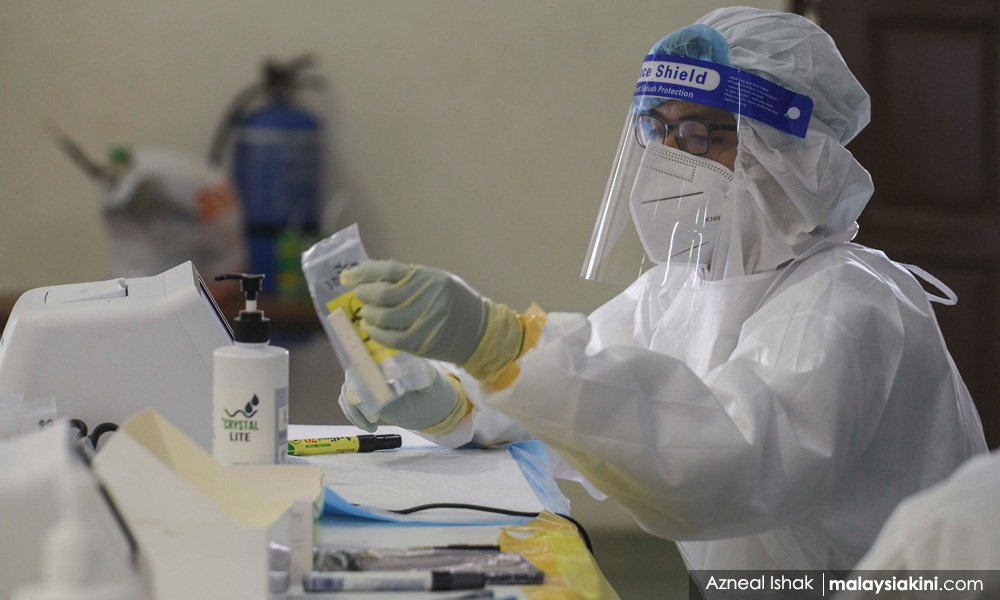
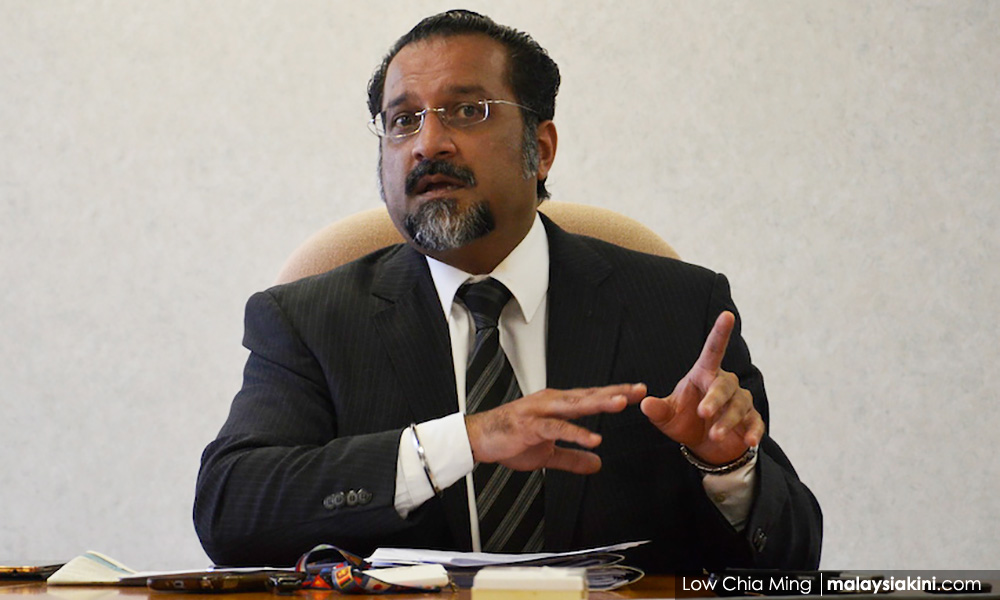
Some Covid-19 patients have continued to exhibit symptoms up to three months after being discharged, observed Hospital Sungai Buloh infectious disease consultant Dr Suresh Kumar Chidambaram.
He said this was more prevalent in those who had suffered a severe bout of the virus or had been warded in the intensive care unit (ICU)...
Some Covid-19 patients have continued to exhibit symptoms up to three months after being discharged, observed Hospital Sungai Buloh infectious disease consultant Dr Suresh Kumar Chidambaram.
He said this was more prevalent in those who had suffered a severe bout of the virus or had been warded in the intensive care unit (ICU).
However, those who had mild cases of Covid-19 were also known to suffer persistent symptoms even after they were no longer infectious.
“We know that patients have persistent symptoms even after Covid-19.
“It’s more common if they had severe disease, meaning they went to the ICU and had severe disease. The persistent symptoms are more common.
“But it can also happen even if they just had mild (cases of) Covid-19. They can also have persistent symptoms,” he said during an online press conference organised by the Health Ministry.
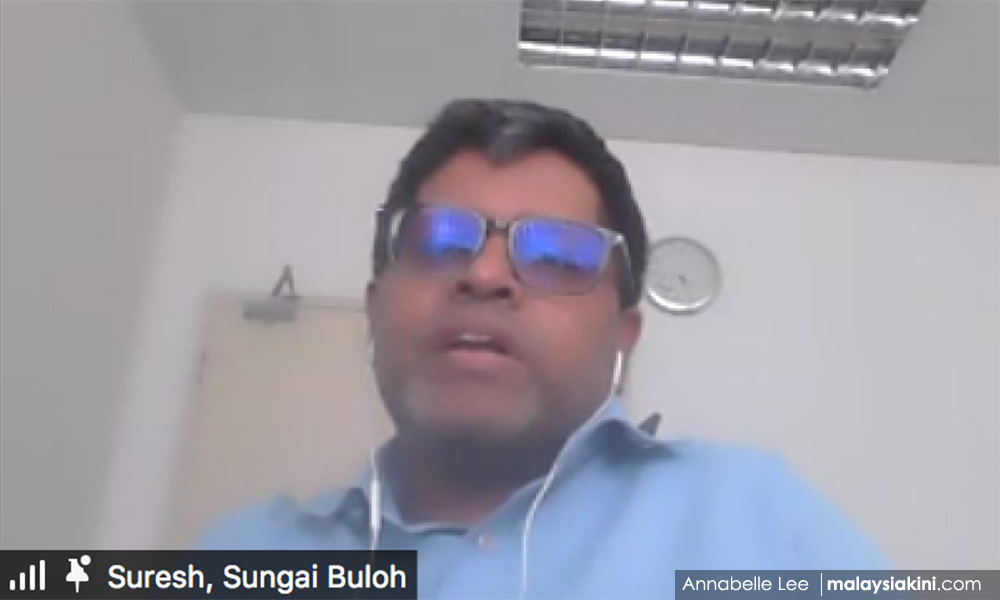
According to Suresh, the four most common persistent symptoms observed in discharged patients were fatigue, shortness of breath, chest pains and cough.
“These symptoms can last up to three months in some groups of patients,” he shared.
Hospital Sungai Buloh was until early this year the only Covid-19 hospital in Selangor. It continues to admit infected patients exclusively.
Suresh said that the hospital’s Covid-19 Rehabilitation Outpatient Specialised Service (Cross) continues to monitor severe patients after they have been discharged.
Patients will be required to present themselves for a follow-up if they report persistent symptoms.
Post-recovery antibodies
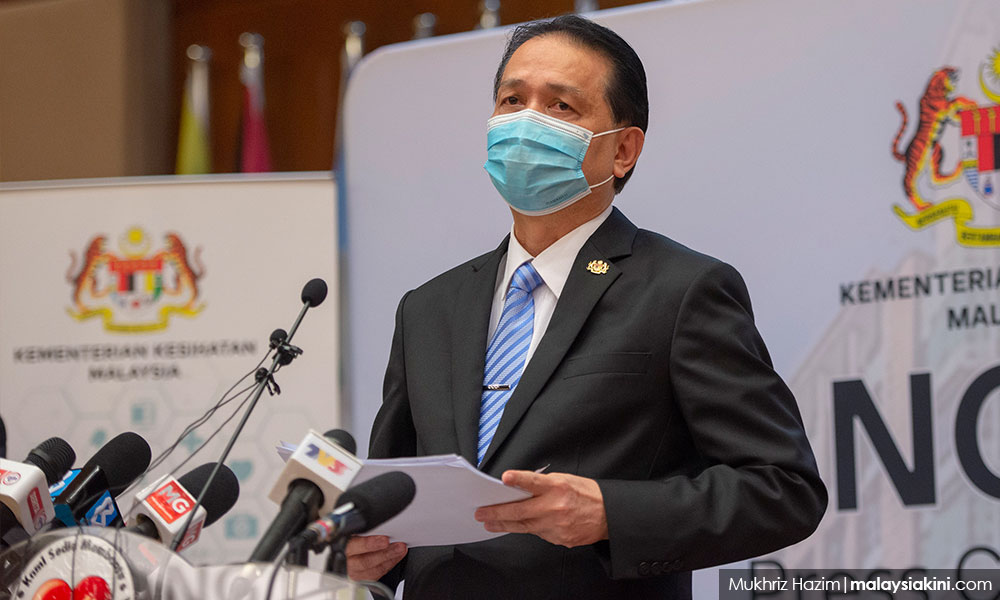
Meanwhile, director-general Dr Noor Hisham Abdullah shared that the ministry found very low levels of Covid-19 antibodies in those who had recovered from mild cases of the virus.
This meant they would still need to be vaccinated.
“We looked into those who got the infection at Category 1 (asymptomatic) and Category 2 (mildly symptomatic). Their antibody response was probably not detected after three months.
“We did a surveillance study in one sekolah madrasah (religious school). After three months, the antibody (level) detected was only 20 percent,” he said.
“It is most likely that if it is a mild infection, the antibodies will not be detected. So which means if the antibodies are not detected, normally we will recommend a vaccination,” he elaborated.
Higher levels of Covid-19 antibodies were detected in patients who had recovered from more severe cases.
Noor Hisham said the ministry recommended administering vaccinations to these patients only when antibody levels had dropped.
“In those (with) severe infections - Category 4 (lung infection and needing oxygen) and Category 5 (critical illness and multi-organ failure) - sometimes the antibodies are present [...]
“Six months later if the antibodies are not there, we will give the vaccination,” he said.
Second B.1.1.7 case detected
Institute of Medical Research (IMR) Virology Unit head Dr Ravindran Thayan disclosed that the institute had detected a second Covid-19 case where the virus involved was of the B.1.1.7 lineage.
“Recently, we detected another case of B.1.1.7 among a Malaysian who returned from the United Arab Emirates after undergoing training there,” he told the press conference.
The first case was brought in on Jan 9 by a Malaysian returning from the United Kingdom, where the variant was first detected.
The SARS-CoV-2 virus of the B.1.1.7 lineage is known to be more infectious.
This evening’s briefing also heard from National Public Health Laboratory (MKAK) director Dr Hani Mat Hussin, who described how the Public Health Laboratory Information System (Simka) functioned.
Meanwhile, the Private Medical Practice Control Section (CKAPS) deputy director Dr Mohamed Ahsan Mohamed Ismail spoke on how the ministry was integrating the private sector to combat Covid-19.


Report this comment
Are you sure you want to delete this comment?
This action cannot be undone.