



'Immunity one gets after Covid-19 recovery not long-term, cannot replace vaccine'
Health Ministry Clinical Research Institute director Dr Kalaiarasu Peariasamy said it may not be possible to gain long-term immunity against Covid-19 by getting infected with it.
This is because current research shows normal antibodies last for about eight months or more after recovery from the disease.
However, Kalaiarasu noted that there is no...
Health Ministry Clinical Research Institute director Dr Kalaiarasu Peariasamy said it may not be possible to gain long-term immunity against Covid-19 by getting infected with it.
This is because current research shows normal antibodies last for about eight months or more after recovery from the disease.
However, Kalaiarasu noted that there is no data yet on the presence of long-term memory cells known as T-cells, which also play a role in an individual's immunity.
As such, he advised against those who think they can avoid getting the vaccine and gain immunity using this method.
“Each and every one of us has different levels of immunities… so exposing a healthy person (to Covid-19) and assuming that all of us will recover automatically is incorrect,” he said.
While someone who recovered from Covid-19 may have immunity to the disease for about eight months or more, the immunity actually starts to decrease from the moment they recover.
“So we should get rid of this logic that if you are young, you can get infected, (gain immunity) and avoid the vaccine,” he said in a Health Ministry briefing with the media over video conference today.
While there is no conclusive long-term data yet on how long the vaccines will stay effective, he said current research shows the vaccines can provide immunity against Covid-19 for at least a year and perhaps up to two or three years.
Kalaiarasu later clarified with Malaysiakini that most vaccines for other diseases also require upkeep, especially for diseases where one does not get infected often, so the body will slowly lose its memory of how to fight the disease over time.
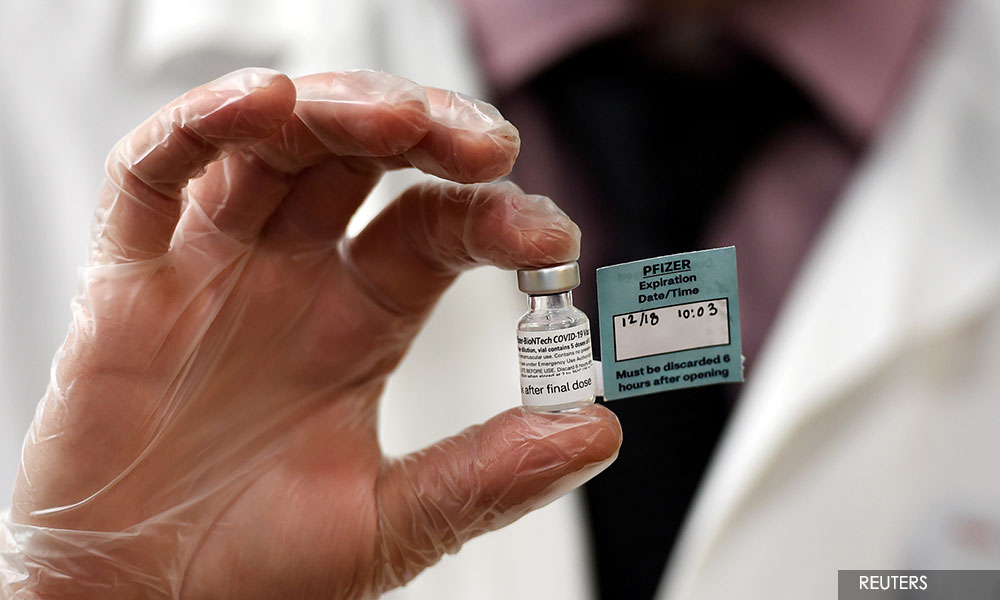
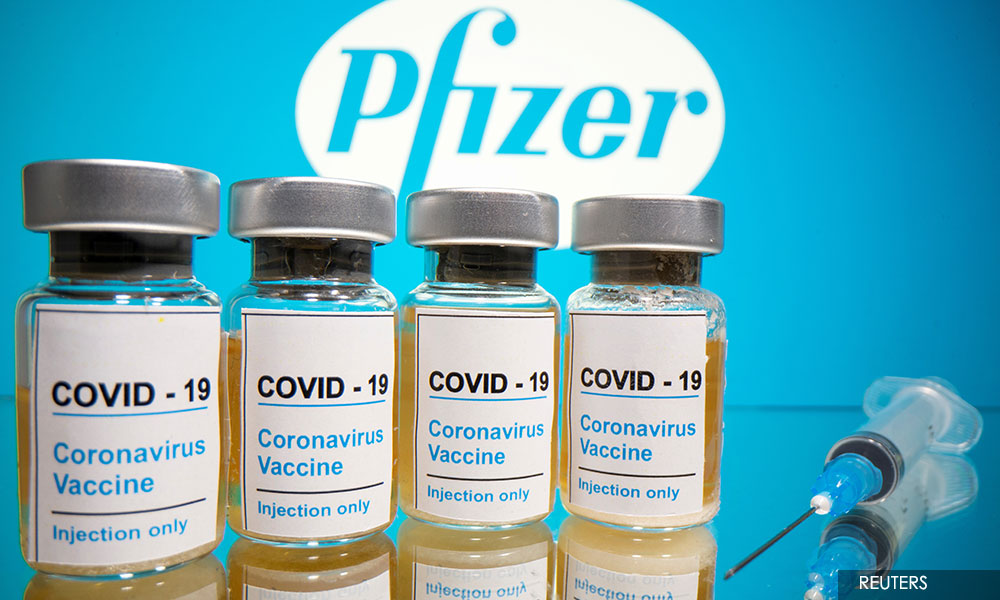
The first Pfizer-BioNTech vaccine shipment is scheduled to arrive in Malaysia this Sunday (Feb 21) morning.
The vaccination program will be separated into three phases, with the first phase focusing on medical frontliners, defence frontliners, and frontliners working in “essential services”.
Dr Hanif Zailani, who is the sector chief for public health experts under the Disease Control Department of the Health Ministry, explained that the vaccination program has to be separated into phases.
This is because there is a limited supply of Covid-19 vaccines worldwide, which caused supplies to be delivered in phases, he said.
Hanif also noted that about 5,000 healthcare workers from the Health Ministry, Defence Ministry, as well as hospital universities, have been trained to administer the vaccines thus far.
These are the people who will administer the vaccines for the first phase, he said, and volunteers will be recruited for the second and third phases in order to deal with the increase in vaccinations.


Report this comment
Are you sure you want to delete this comment?
This action cannot be undone.