


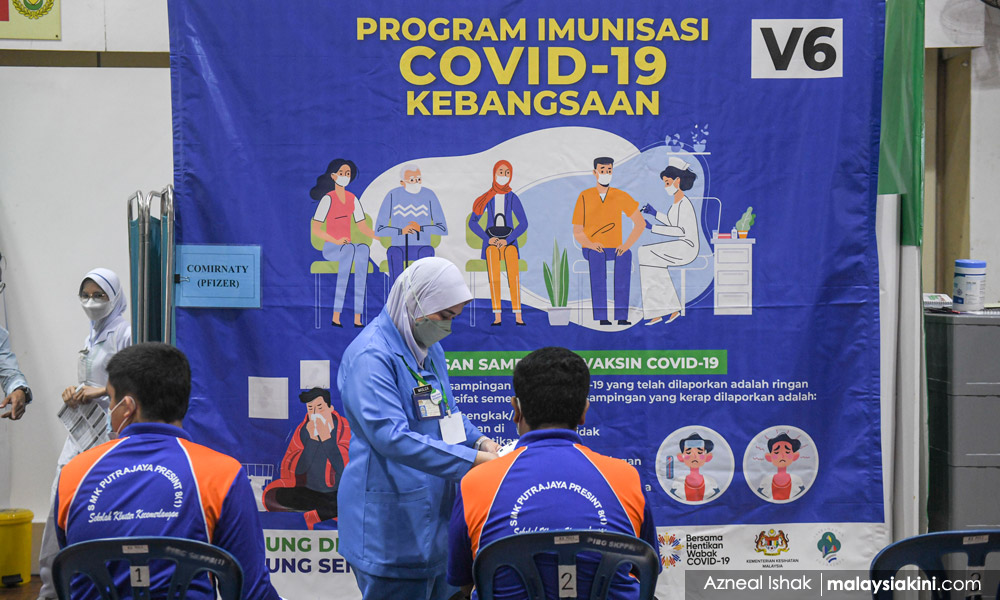

KJ: Adolescent vaccination important, 'herd immunity' now irrelevant
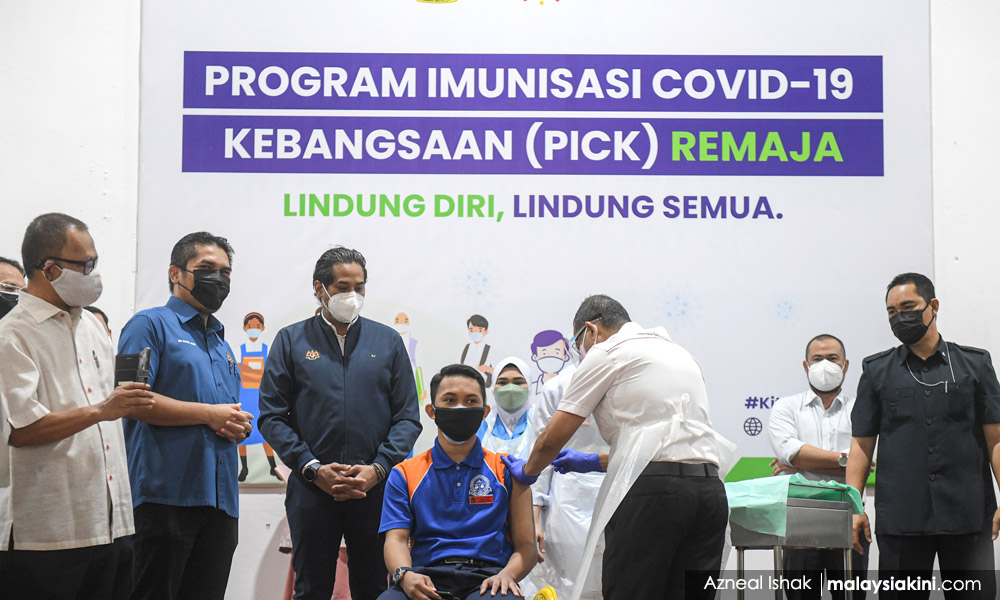
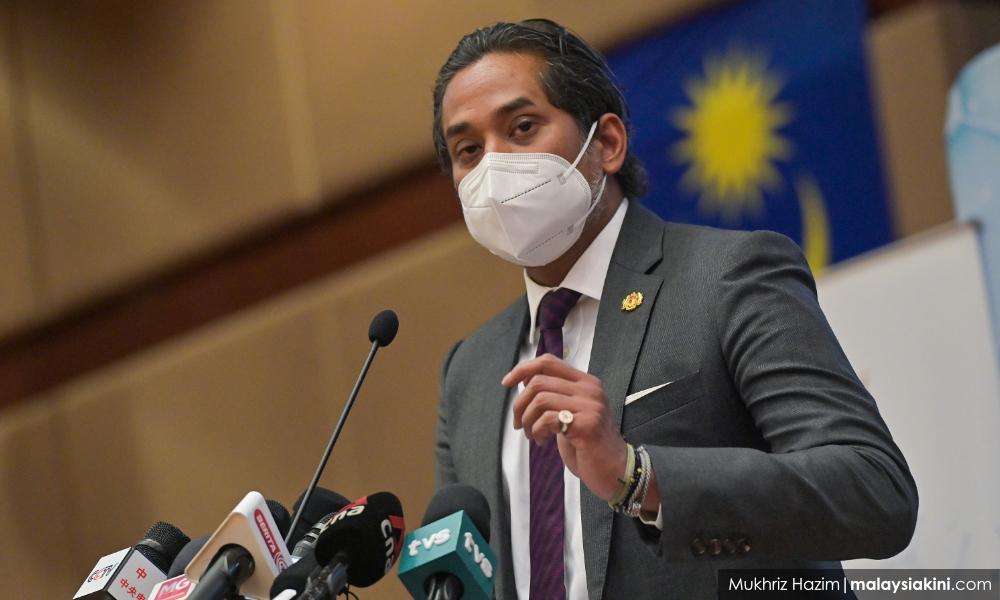
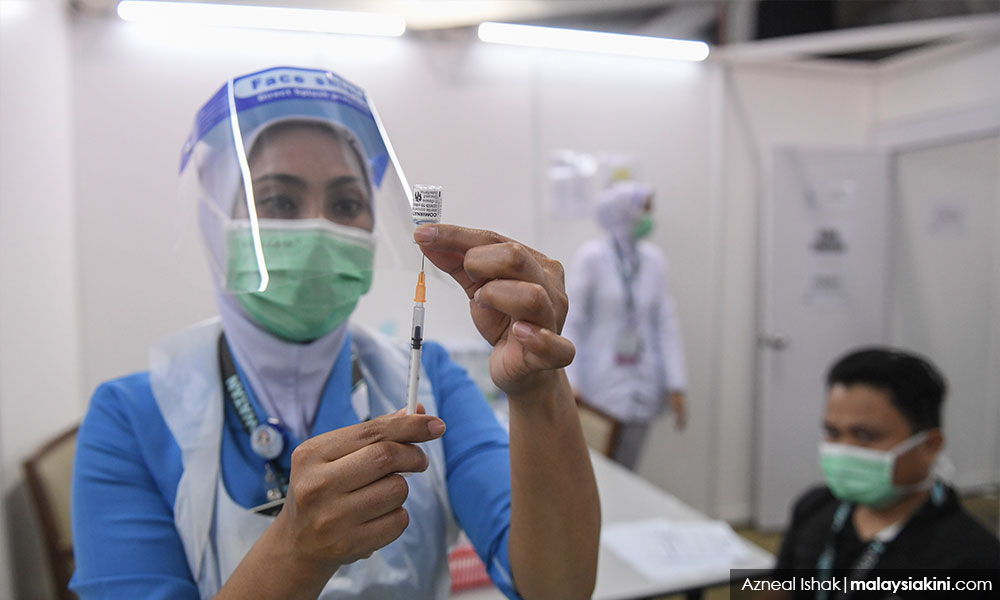
Health Minister Khairy Jamaluddin said vaccinating adolescents under the National Covid-19 Immunisation Programme (NIP) is important because the strategy now is to get the “broadest coverage” of vaccination possible.
He said this is because the herd immunity target is no longer feasible due to the widespread transmission of the Delta variant.
“I don’t use herd immunity anymore. When we first...
Health Minister Khairy Jamaluddin said vaccinating adolescents under the National Covid-19 Immunisation Programme (NIP) is important because the strategy now is to get the “broadest coverage” of vaccination possible.
He said this is because the herd immunity target is no longer feasible due to the widespread transmission of the Delta variant.
“I don’t use herd immunity anymore. When we first started vaccinating, we used a conventional formula to calculate our target for herd immunity.
“But at that time, it was before the spread of the Delta variant. Delta has thrown out the herd immunity calculations and it is difficult to say when we can get herd immunity.
“So we don’t look at herd immunity anymore, we look at the broadest coverage of vaccination as possible,” he said.
Khairy said this is why the NIP for adolescents is important because it is not enough to vaccinate 80 to 90 percent of adults when children remain unvaccinated.
The minister said this during his winding-up speech in the Dewan Rakyat today.
When asked why the prime minister had announced interstate travel would be allowed once 90 percent of adults were fully vaccinated if the herd immunity target is not irrelevant, Khairy said interstate travel itself does not cause the spread of Covid-19.
“It is the congregation of people (that causes the spread of Covid-19), not interstate travel itself,” Khairy added.
On a separate issue, he noted that self-assessment tools such as the pulse oximeter, glucometer and so on are not compulsory for Covid-19 patients undergoing home isolation and monitoring.
However, he said the Health Ministry will supply 19,000 pulse oximeters to be distributed on loan to Covid-19 patients who are from the B40 lower-income group.
Tan Yee Kew (Harapan-Wangsa Maju) also highlighted the financial burden for Covid-19 patients from the B40 group who were forced to be admitted to private hospitals due to government hospitals being at full capacity.
In response, Khairy said there is a fund under the Health Ministry to help those who are forced to go to private hospitals.
“I realise many went to private hospitals because they had no choice at the time and I will look at this on a case-by-case basis to help them,” he said.


Report this comment
Are you sure you want to delete this comment?
This action cannot be undone.