


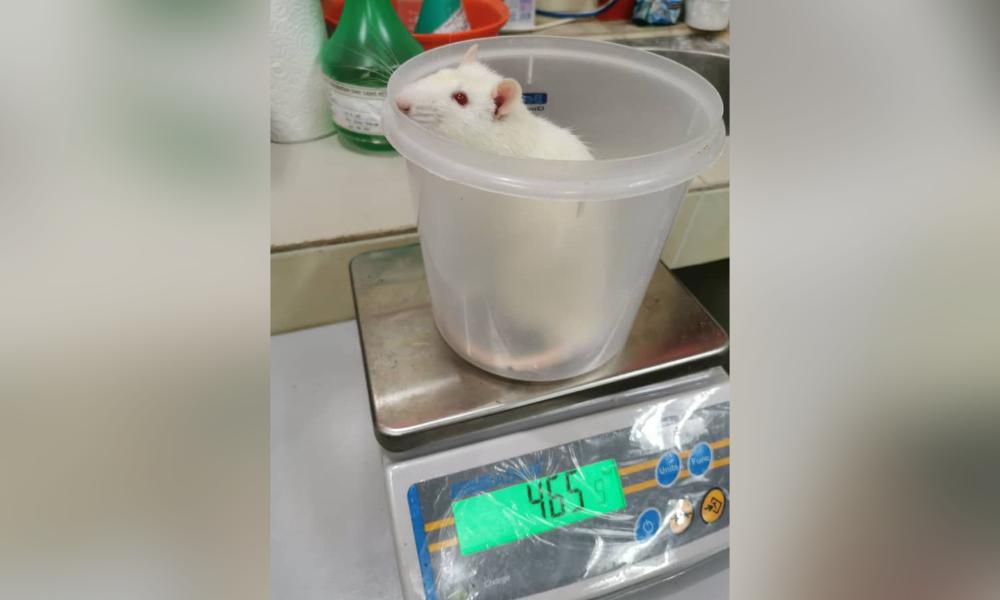

Positive response to cannabis treatment in rats with Alzheimer's: UPM researchers
In 2019, Universiti Putra Malaysia (UPM) neuroscience researcher Associate Prof Dr Mohamad Aris Mohd Moklas concluded from his study that cannabis use was able to stimulate the growth of new neurons in healthy rat brain cells.
This, he said, shows that the active ingredients in the cannabis plant have the potential to treat diseases related to the deterioration of brain function, such as Alzheimer’s.
Now, Aris is still continuing his research, but in the laboratory with rats diagnosed with Alzheimer’s disease.
"Tetrahydrocannabinol (THC) - the active ingredient in marijuana can stimulate neurons which is useful for diseases like Alzheimer's.
“We used to test on healthy mice and we are now testing on mice with Alzheimer’s and the results are promising.
“When a rat has Alzheimer’s, it has symptoms like forgetfulness and his brain cells will experience deterioration," he explained.
"So when treated with cannabis, it showed a positive response to its...
In 2019, Universiti Putra Malaysia (UPM) neuroscience researcher Associate Prof Dr Mohamad Aris Mohd Moklas concluded from his study that cannabis use was able to stimulate the growth of new neurons in healthy rat brain cells.
This, he said, shows that the active ingredients in the cannabis plant have the potential to treat diseases related to the deterioration of brain function, such as Alzheimer’s.
Now, Aris is still continuing his research, but in the laboratory with rats diagnosed with Alzheimer’s disease.
"Tetrahydrocannabinol (THC) - the active ingredient in marijuana can stimulate neurons which is useful for diseases like Alzheimer's.
“We used to test on healthy mice and we are now testing on mice with Alzheimer’s and the results are promising.
“When a rat has Alzheimer’s, it has symptoms like forgetfulness and his brain cells will experience deterioration," he explained.
"So when treated with cannabis, it showed a positive response to its symptoms," he told Malaysiakini in an interview last Tuesday.
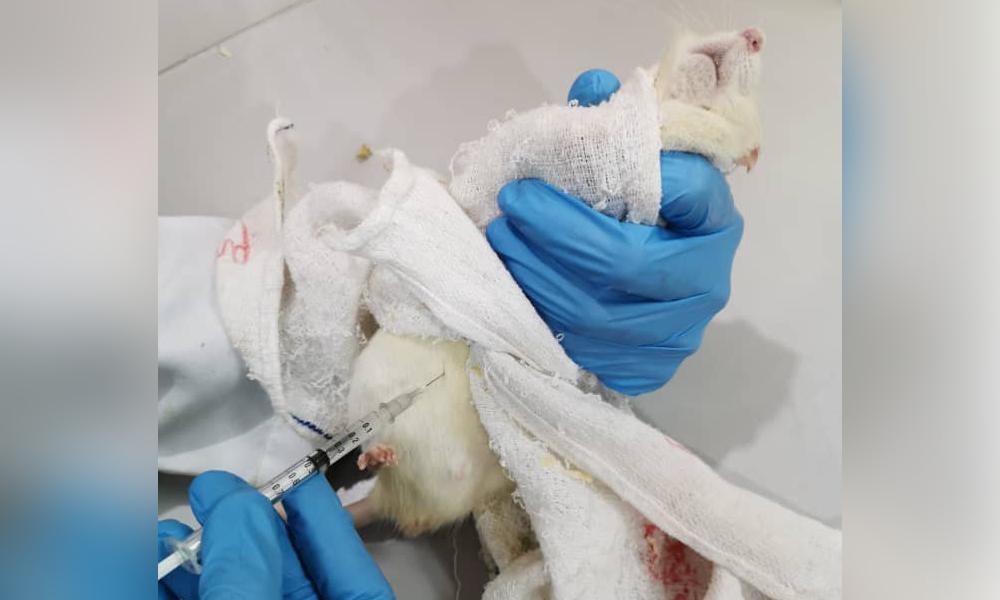
As a neuroscientist, Aris is involved in the study of the structure and function of the nervous system and the brain.
He explained that for the medical marijuana-based neuroscience research on laboratory rats, he had five researchers in his own team and about 20 other UPM researchers were also involved, including botanists, psychologists and medical experts.
Even so, Aris said such research required large funds, adding that apart from the support of the university, the study also now had the support of a local private firm.
"So when there are companies that want to invest or be part of this research, I really welcome it.
"To understand the mechanism (of such research), it usually takes three to four years. That means before we do a clinical trial there are some requirements that we need to meet," he added.
Research support
Sirnadia Sdn Bhd chief executive officer Shuhainizam Mohamed Ali told Malaysiakini that the company he leads had signed a Memorandum of Understanding (MOU) with UPM in August 2020.

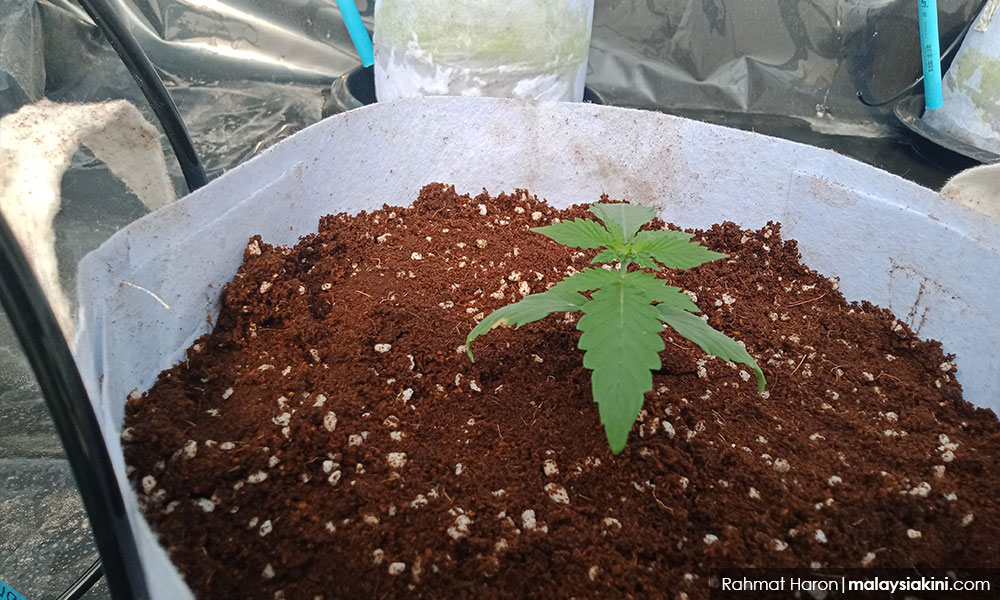
“Sinardia intends to support the group of researchers led by Aris to conduct further research on the potential of cannabis which is considered a high-value crop.
“For the research budget that we put in the MOU the value is RM10 million, specifically for Aris' research.
"It means that over the course of the five years of the agreement, the funds will be released in stages according to his needs until it reaches the value of RM10 million," he said, explaining that the research is also in compliance with legal aspects from the relevant authorities.
Based on the economic value of medical cannabis in the United States of US$24 billion (RM100 billion) a year, Shuhainizam said if Malaysia allowed the production of medical marjiuana, it is expected that the local economic value of the product could reach RM1 billion within five years.
Stigma of cannabis
Sirnadia founder Mohd Nasir Hassan said there were many benefits from the results of this study that would have a positive impact on various aspects of related industries, from agriculture to pharmacy.
“But before that we want all parties to remove the stigma against cannabis.
"The cannabis plant is a gift from God, there are definitely certain benefits that we must study in order to improve our lives, especially from the point of view of health knowledge based on selected herbs," he said.
In 2019, Health director-general Dr Noor Hisham Abdullah said cannabis use should be limited for research purposes until there is more evidence to support its use in medicine.
National Anti-Drug Agency (AADK) director-general Zulkifli Abdullah was reported by the media in February 2019 as saying that cannabis plants could be cultivated for medical and research purposes, but permission from the health minister was required.
According to him, there are legal provisions that allow the planting of cannabis with special conditions or permission without enacting an existing Act.
When asked about the new health minister, Khairy Jamaluddin, both Aris and Shuhainizam expressed hopes that the government could intensify medical marijuana research.

"I see that he (Khairy) is very forward-looking. Although he does not have a medical science background, his approach is very open.
“Maybe he’s open to allowing more studies and research in medical marijuana.
"So stakeholders must be given space for cannabis research now," Aris said.
Shuhainizam described Khairy as being "from a generation that understands the benefits of cannabis from a medical point of view."
“Look at the educational background of the Oxford graduate. He is part of a new generation that has a more open attitude towards medical marijuana research," he said.
Yesterday, Muar MP Syed Saddiq Syed Abdul Rahman suggested in the Dewan Rakyat that the government look into detailed discussions on the approval of cannabis as an alternative treatment.
The Malaysian United Democratic Alliance (Muda) president said he did not want to see Malaysia lagging behind in discussing the issue of studying medical marijuana just because it was considered a sensitive issue.

Syed Saddiq hoped the government could set up a special committee represented by various ministries such as the Home Ministry and Health Ministry on the matter.
Approved in over 40 countries
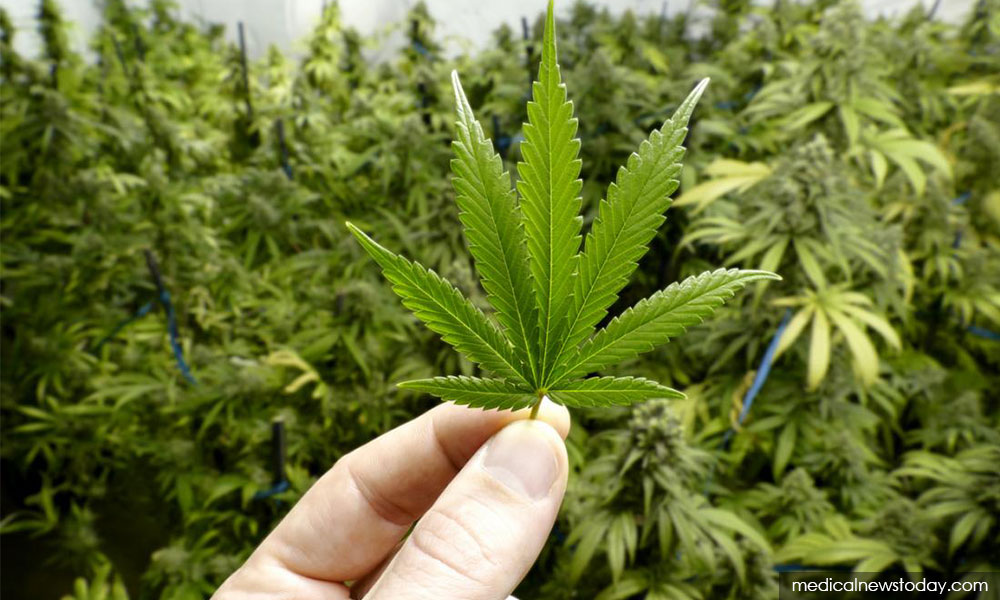
More than 40 countries have approved the cultivation, use and sale of hemp (industrial marijuana) or medical marijuana including Australia, the United States, Canada, Argentina and Denmark.
On Dec 26, 2018, the Thai government approved an amendment to the country’s narcotics law that resulted in the use of cannabis and ketum products for medical purposes.
The United Nations Narcotic Drugs Commission (CND) on Dec 2 last year had "reclassified cannabis as a "less dangerous drug".
The 63rd CND conference in Vienna, Austria agreed, to accept a motion to remove cannabis from Schedule IV of the 1961 Single Convention on Narcotic Drugs — where it was listed alongside specific deadly, addictive opioids, including heroin, recognised as having little to no therapeutic purposes.
Even so, the Dangerous Drugs Act 1952 provides that possession of cannabis weighing 200g can carry the death penalty.
It is estimated that up to three-quarters of prisoners in Malaysia's death row have been sentenced due to a harsh mandatory death sentence even for a 'soft drug' such as cannabis.








Report this comment
Are you sure you want to delete this comment?
This action cannot be undone.