


Caged lauds appointment of Azalina to law, human rights adviser role
Human rights pressure group Citizens Against Enforced Disappearances (Caged) has lauded the appointment of Azalina Othman Said to the position of special adviser for Law and Human Rights.
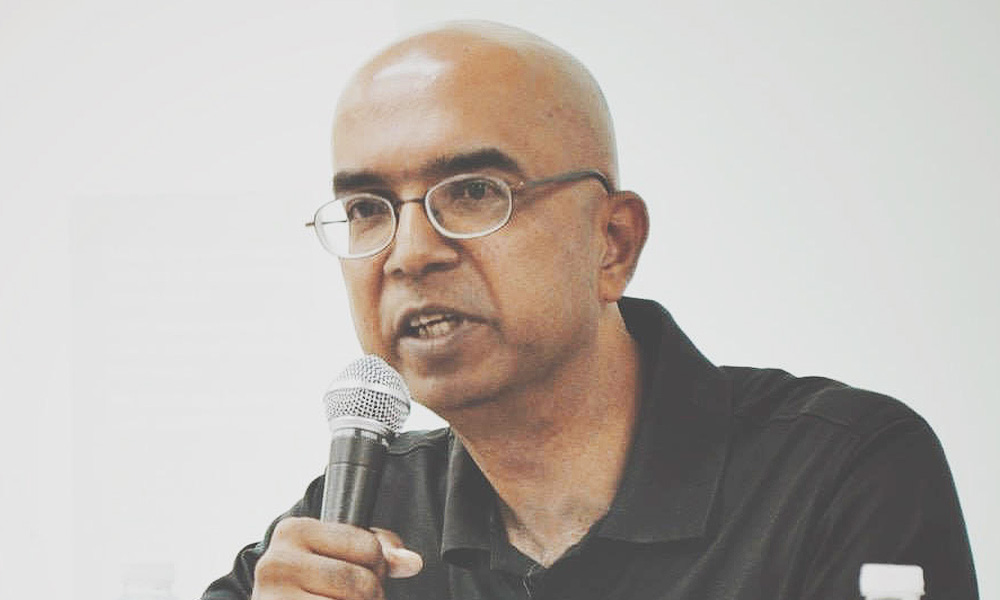
Caged spokesperson Rama Ramanathan said that the appointment signals that the government of Ismail Sabri Yaakob cares about human rights and is keen to improve Malaysia’s appalling record in many aspects of the area which are enshrined in United Nations and other international standards.
“In her ministerial roles...
Human rights pressure group Citizens Against Enforced Disappearances (Caged) has lauded the appointment of Azalina Othman Said to the position of special adviser for Law and Human Rights.
Caged spokesperson R Rama said that the appointment signals that the government of Ismail Sabri Yaakob cares about human rights and is keen to improve Malaysia’s appalling record in many aspects of the area which are enshrined in United Nations and other international standards.
“In her ministerial roles, Azalina demonstrated a good grasp of facts and respect for the opposition, while exercising confident and effective leadership.
“In debates and public comments, she has shown sensitivity to the level of enjoyment of human rights in Malaysia, the aspirations of Malaysians, and of global benchmarks.
“In a difficult political climate, Azalina has stood out as a serious advocate of parliamentary democracy, has called for firm action in cases of abuse of children, and for judicious reform of the Attorney-General’s Chambers,” said Rama in a statement today.
He said that Caged urged all ministers, backbenchers, and members of the opposition to treat Azalina’s appointment as a signal of acceptance by the government of her call for the formation of a Parliamentary caucus on reform.
“This caucus of parliamentarians drawn from all parties is exactly what we need to ensure that the agenda of institutional reforms is not forgotten or delayed.
“We call for generous support and funding for Azalina’s work, which must include visits to places of detention – which have been underfunded, stretched and abused – and must include gathering and analysis of data followed by generation of solutions and recommendations for action,” he added.
Caged encouraged Azalina to prioritise institutions that have attracted attention for the wrong reasons.
“The Royal Malaysian Police (PDRM), which has been criticised by its own top leaders (such as former IGP Abdul Hamid Bador and current Johor CPO Ayob Khan), coroners and judges, statutory bodies (such as Suhakam and the Bar Council), and many others.
“Areas of concern are overuse of remand, death and abuse in custody, enforced disappearances (the cases of Pastor Raymond Koh and Amri Che Mat are well documented), and a culture of impunity.
“There is a crying need for independent, empowered oversight of the police – two essential ingredients in the IPCMC mooted 16 years ago by the Dzaiddin Commission.
“Serious attention should also be given to establishing state police forces independent of the federal police – as has long been the practice in federations such as Australia and the USA,” added Rama.
He also highlighted the immigration department, saying it has brought great disrepute to the nation through well-publicised revelations of abuse of detention powers, extended detention in ill-suited premises, and disregard for international norms in respect of repatriation.
“We note also that many concerns have been raised about the abuses of migrant workers, and there have even been suggestions that the high incidence of trafficking is due to abuse and misuse of immigration powers.
“Detention centres, including lockups and prisons, have become hotspots of disease and distress, both for detainees and their jailers.
“It is a matter of great dismay that those who work in detention centres are constantly anxious about contracting skin diseases, leptospirosis (caused by exposure to rat urine) and tuberculosis.
“And that they are constantly anxious that they may have to respond to medical emergencies despite the lack of support infrastructure and training,” he said.
Cage added that Azalina’s work, if well supported, has the potential to deliver rapid results.






Report this comment
Are you sure you want to delete this comment?
This action cannot be undone.