


Where is the promised anti-gender discrimination law, NGO asks
Despite promises by the government to tackle gender discrimination, non-governmental organisations are questioning the lack of anti-discrimination laws in the workforce.
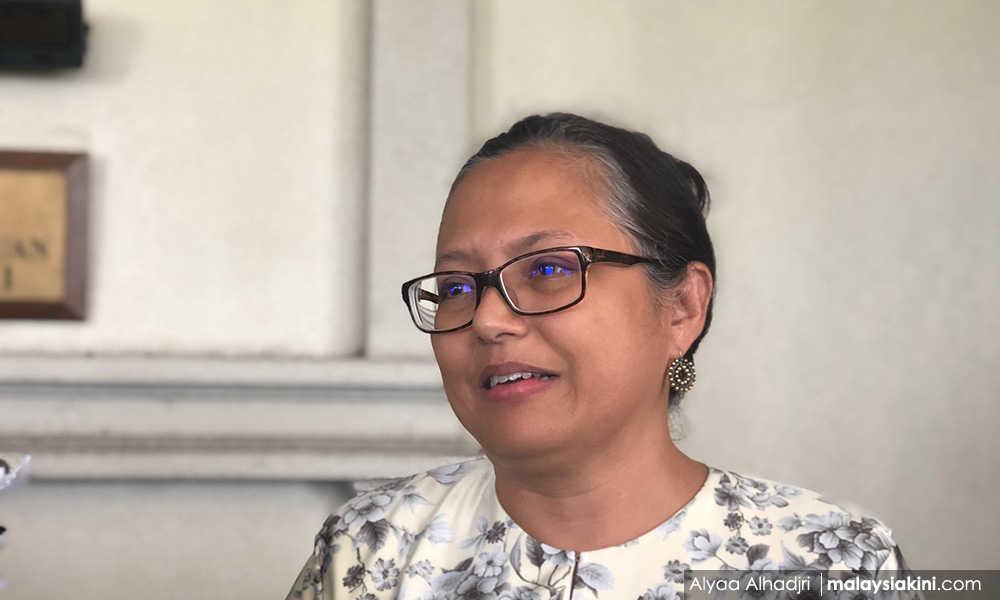
In a panel discussion yesterday, Women's Aid Organisation (WAO) deputy director Yu Ren Chung said employers in Malaysia brazenly discriminate against the staff because it is not against the law.
“The fact of the matter is, discrimination in the workforce is not prohibited. Hence, blatant discrimination by employers is...
Despite promises by the government to tackle gender discrimination, non-governmental organisations are questioning the lack of anti-discrimination laws in the workforce.
In a panel discussion yesterday, Women's Aid Organisation (WAO) deputy director Yu Ren Chung said employers in Malaysia brazenly discriminate against the staff because it is not against the law.
“The fact of the matter is, discrimination in the workforce is not prohibited. Hence, blatant discrimination by employers is not technically against the law. That is why we always see (it).
“It is quite relevant to Budget 2022, because, in the recent budget policies, discrimination issues have been mentioned. But we see in the past one-two years there is no progress on this issue by the government,” Yu said.
He was speaking at a panel discussion titled “Gender Implications of the Multidimensional Poverty Index: Proposed Gender Responsive Policy”, which was moderated by Permatang Pauh MP Nurul Izzah Anwar.
Yu also said the government had repeatedly promised to tackle discrimination and he called for the protections to be extended not just to existing workers but also to jobseekers.

The panel discussion, held live on Facebook, discussed multidimensional factors that contribute towards poverty, highlighting the adverse effects of the pandemic.
It was held in conjunction with the launch of the 2021 Permatang Pauh Multidimensional Poverty Study.
Also on the panel was former Universiti Malaya economics professor Fatimah Kari, who raised the issue of women being given insufficient pensions after retirement because they
worked in low-paying jobs due to discrimination.
Other panelists included Khazanah Research Insitute deputy director of research Hawati Abdul Hamid and Asian Business School assistant lecturer in economics Melati Nungsari.
Yu called for three inclusions in Budget 2022:
- Investment in gender-based violence responses;
- Women in the workforce (discrimination, maternity and paternity leave and childcare); and
- Efforts to increase the mental health budget.
According to research by WAO in 2020, 56 percent of the women in Malaysia had experienced at least one form of gender discrimination in the workplace.
In their finding, 47 percent of women were asked about their marital status during a job interview, while one in every five women were questioned on their ability to perform certain tasks as a woman.
Other than that, about 55 percent of women said their child’s father was given either less than one week of paternity leave or none at all, with 55 percent of women indicating that the given paternity leave was insufficient.
WAO proposed the following five amendments to the Employment Act:
- Seven days paternity leave for private sector employees;
- 90 days paid maternity leave in the private sector;
- Prohibitions against discrimination on gender, race, religion and disability for employees and job seekers;
- The right to request flexible working hours; and
- Sexual harassment protection.





Report this comment
Are you sure you want to delete this comment?
This action cannot be undone.