


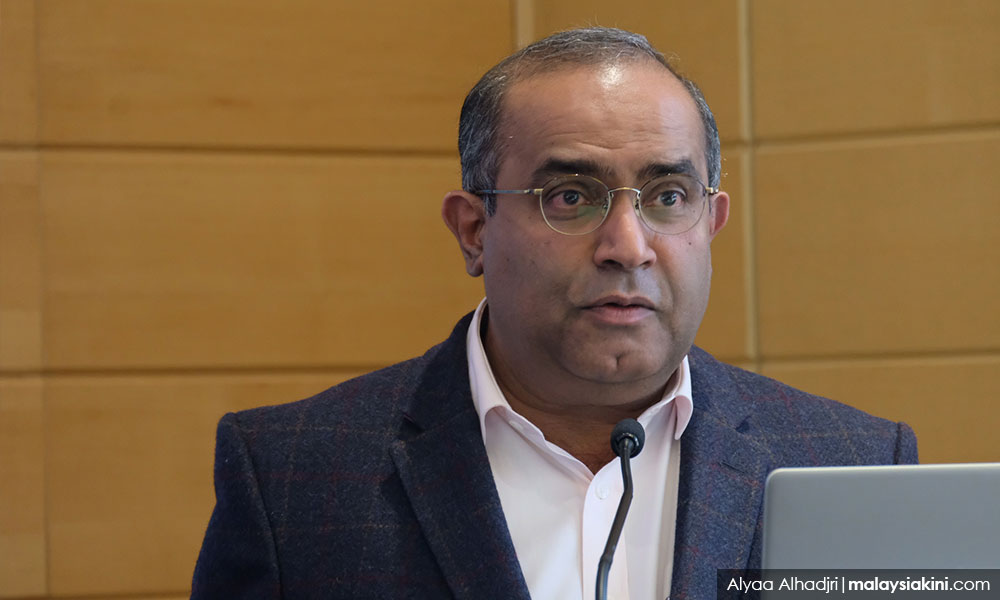

MACC panel: Gomez didn't mention agency chief's alleged misconduct
Edmund Terence Gomez did not raise the alleged misconduct by MACC chief commissioner Azam Baki in two of his emails sent to the anti-graft agency's Consultation and Corruption Prevention Panel prior to his resignation as a member of the panel.
The panel's chairperson Borhan Dolah said Gomez only asked in his email for a meeting to be held to discuss efforts to restore the image of the graft buster...
Edmund Terence Gomez did not raise the alleged misconduct by MACC chief commissioner Azam Baki in two of his emails sent to the anti-graft agency's Consultation and Corruption Prevention Panel prior to his resignation as a member of the panel.
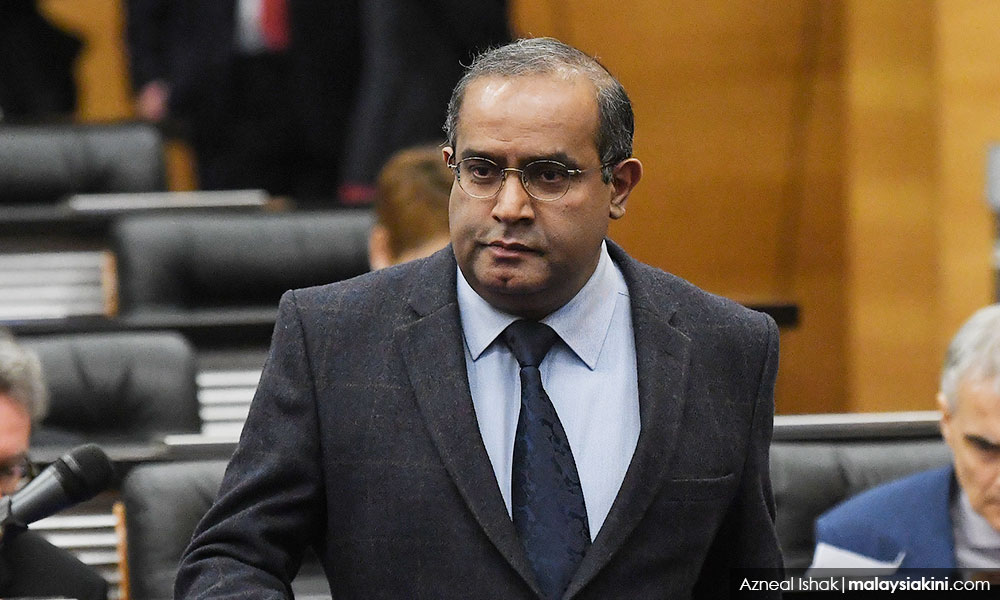
The panel's chairperson Borhan Dolah said Gomez (above) only asked in his email for a meeting to be held to discuss efforts to restore the image of the graft buster.
He said the economist expressed his concern on MACC which was often attacked by various parties and called for the panel to convene a meeting to discuss ways for them to support the enforcement agency.
"I replied that I would consider it and I contacted the MACC secretariat for an opinion as this was not within the jurisdiction of the panel," he was quoted as saying by Berita Harian.
"Suddenly he resigned and raised the issue as if the panel did not care about the alleged misconduct of the MACC chief commissioner when he called for a meeting to discuss other issues instead of what he alleged when he resigned," Borhan added.
Yesterday, Gomez resigned as MACC's Consultation and Corruption Prevention Panel member in protest of the panel’s inaction against Azam's alleged ownership of close to two million shares in a public listed company.
He claimed that Borhan did not respond to his requests for a panel to be set up to convene a meeting on the allegations against Azam. This was despite Borhan allegedly having initially agreed to convene the panel.
Malaysiakini has contacted Azam for comment.
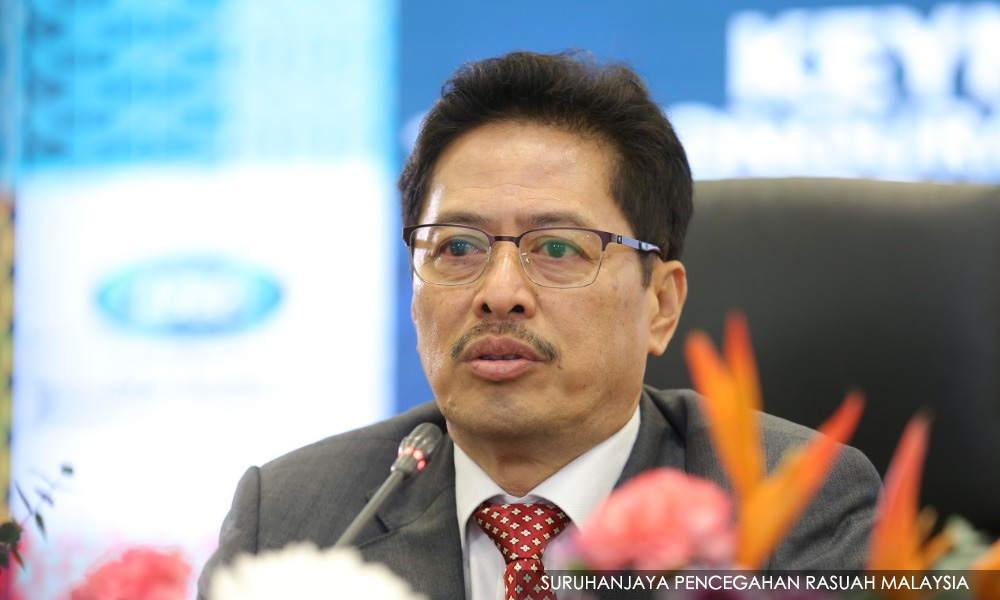
Role of panel
Borhan said Gomez should understand the responsibility of the panel, which is meant to discuss and make recommendations on the anti-corruption awareness programme.
Gomez should report to the Public Service Department director-general Mohd Khairul Adib Abd Rahman if he found any misconduct committed by the chief commissioner instead of asking the panel to take action, which is not under its jurisdiction, he added.
"Apart from the panel, there are a few other responsible mechanisms created to act as a 'check and balance' on the MACC, such as the MACC Anti-Corruption Advisory Board chaired by Abu Zahar Nika Ujang and the Special Committee on Corruption."


Report this comment
Are you sure you want to delete this comment?
This action cannot be undone.