



‘Di Sebalik Pintu Besi’ – inmate’s last song from S'pore death row
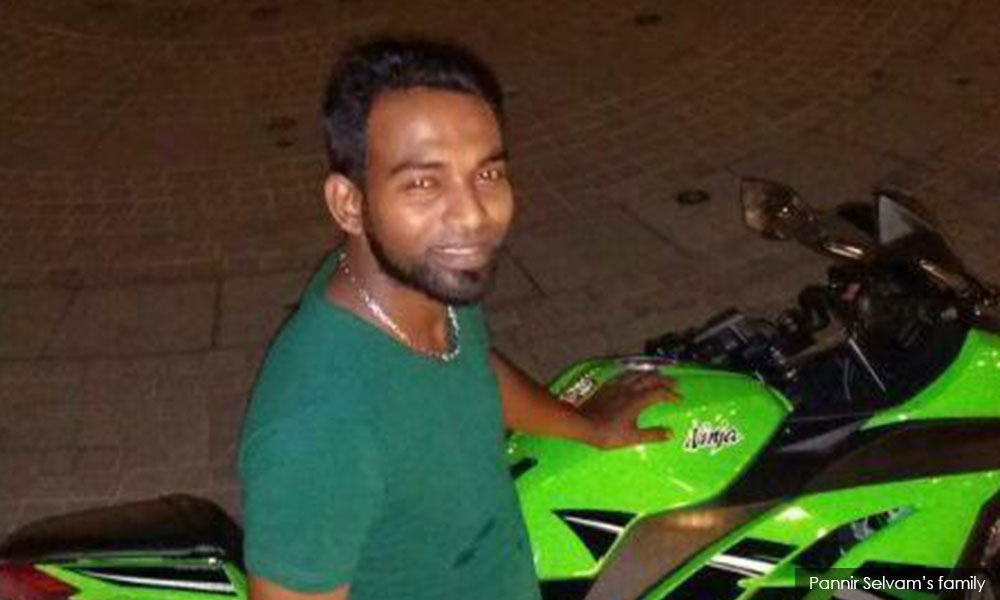
Malaysian death row inmate Pannir Selvam Pranthaman may have penned his last song from Singapore’s Changi prison as his fate now hangs in the balance of either life imprisonment or death by execution.
Turned lyricist behind bars, Pannir’s fate could go either way but his latest song, ‘Di Sebalik Pintu Besi’ was aimed to give hope to other death row inmates and for them to believe that there was light at the end of the dark, painful and lonely tunnel of solitary confinement.
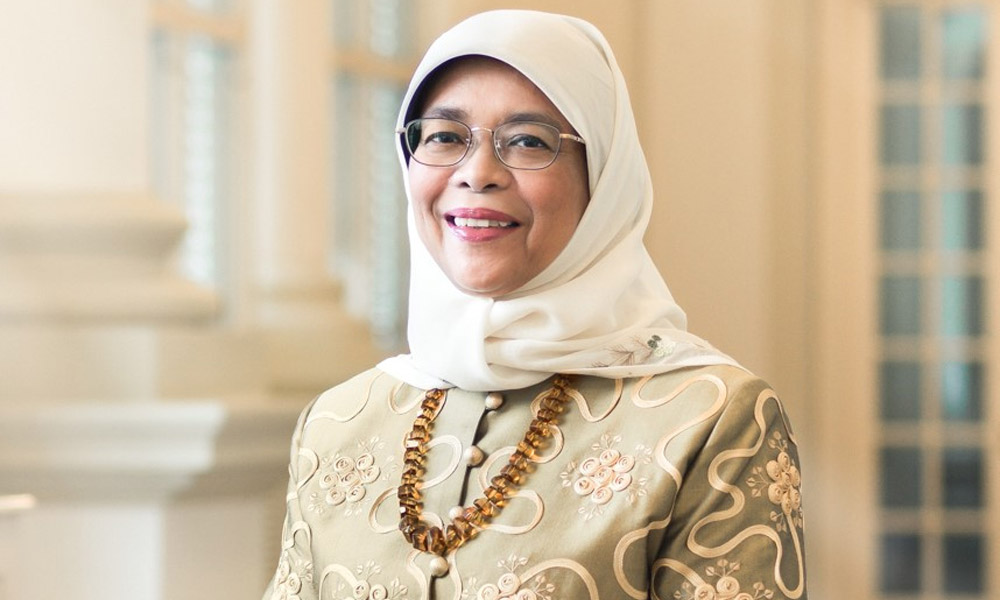
Having exhausted all legal avenues for appeals, the Malaysian awaits with trepidation to submit his clemency appeal to Singapore’s President Halimah Yacob.
Speaking at a press conference by Anti-Death Penalty Asia Network (ADPAN) yesterday...
Malaysian death row inmate Pannir Selvam Pranthaman may have penned his last song from Singapore’s Changi prison as his fate now hangs in the balance of either life imprisonment or death by execution.
Turned lyricist behind bars, Pannir’s (above) fate could go either way but his latest song, ‘Di Sebalik Pintu Besi’ was aimed to give hope to other death row inmates and for them to believe that there was light at the end of the dark, painful and lonely tunnel of solitary confinement.
Having exhausted all legal avenues for appeals, the Malaysian awaits with trepidation to submit his clemency appeal to Singapore’s President Halimah Yacob.
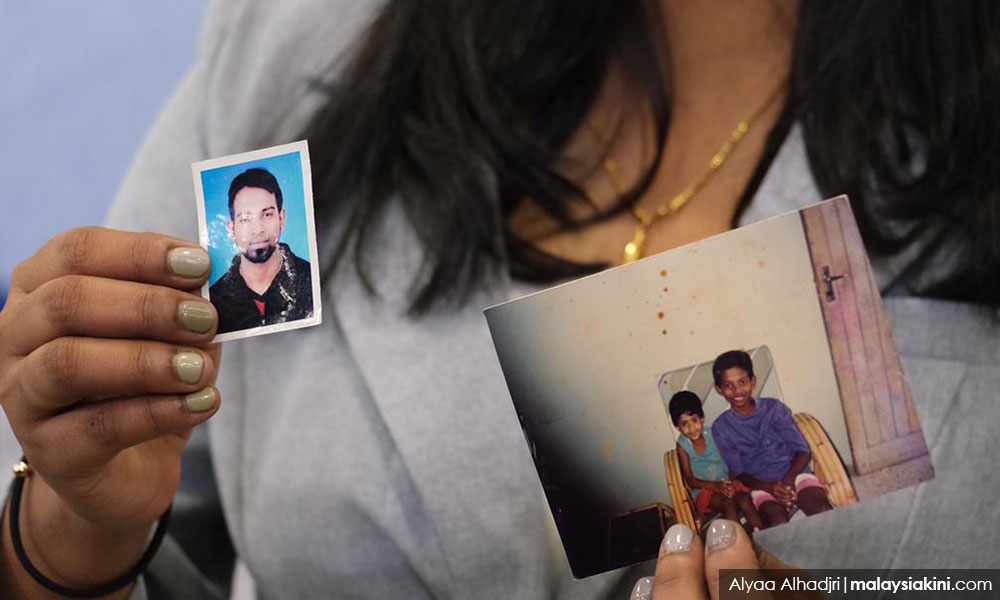
Speaking at a press conference by Anti-Death Penalty Asia Network (Adpan) yesterday, his sister Angelia Pranthanman, 27, said the clemency appeal was the most daunting stage as it marked the final avenue to plead for one’s life and, if rejected, his looming execution would be definite.
Pannir’s earlier lyrics to a song, titled ‘Arah Tuju’, brought to life by Malaysian artist Santesh Kumar was produced by NGO Sebaran Kasih and released in April 2021.
A change for good
Speaking to Malaysiakini about Pannir’s upcoming song, Angelia said while they are still looking for sponsors for the production of ‘Di Sebalik Pintu Besi’, they had already set a date for the song to hit Malaysian airwaves at the end of March.
“What’s unique about the song is that it will feature DJ Dave, Kidd Santhe and Pastor Prince Jon to bridge the intergenerational struggles of pain and loneliness on death row with room for hope,” she explained.

The youngest in her family of six siblings, Angelia, 27, said she was handling the song’s release for her brother, who calls her every Sunday.
“It has been two years since I last saw him because of the new travel restrictions.
“Families of Malaysian inmates had to submit many applications for phone call privileges and another round of applications for more frequent and longer call time.
“From listening to his voice, I can tell his spirits are sometimes up and sometimes down, but there is also a worry and profound sadness that he tries not to show us,” she shared.
Angelia said the song ‘Di Sebalik Pintu Besi’ was also written with the hope that it would lend to the campaign for abolishing solitary confinement and the death penalty in Singapore and Malaysia.
Apart from a sister’s wish for prolonging his life, she said if his sentence was commuted it would allow him to continue writing to create awareness on the dangers of drugs and trafficking.
“He hoped to carry out more projects and write more songs from the prison’s general population,” she said.
Call for clemency
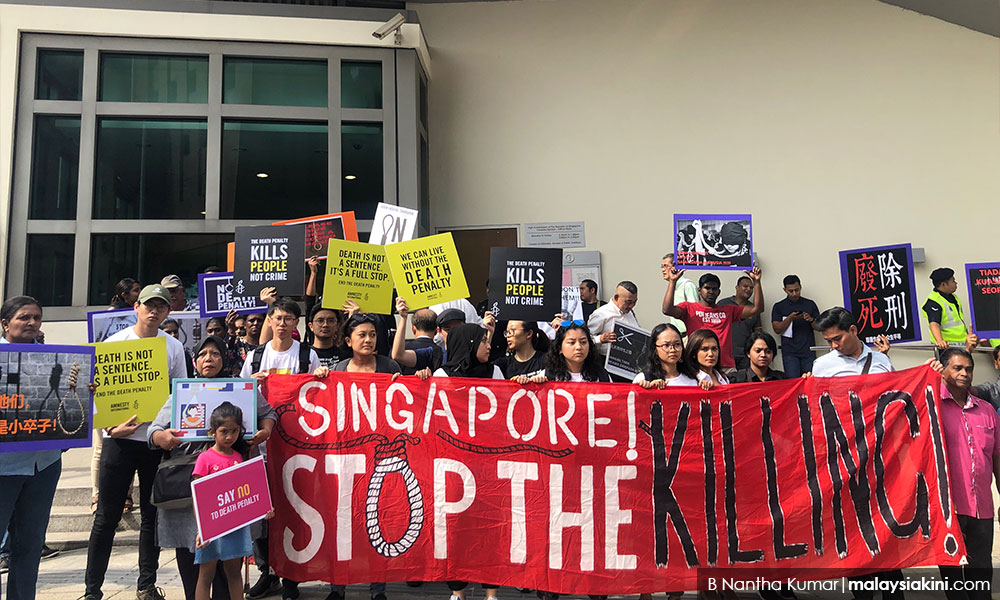
The press conference was held to call for the clemency of Malaysians Pausi Jefredin and Nagaenthran Dharmalingam, and Singaporeans Rosman Abdullah and Roslan Bakar, whose respective court hearings are expected to take place on Feb 28 and March 1.
Also, at the press conference was Transformative Justice Collective coordinator Kirsten Han, who explained that there were other inmates whose executions had also been stayed and they were Pannir and two Singaporeans, Syed Suhail Syed Zin and Moad Fadzir Mustaffa.
“Regardless of the court decisions, the Singapore cabinet could advise the president to grant clemency,” she confirmed.
Adpan executive director Dobby Chew said Nagaenthran, Pausi, and Roslan had been noted to either suffer from an intellectual disability or borderline intellectual functioning by psychiatrists.
However, Han confirmed that there had been other cases in the 90s, although not properly documented, where the arguments of low IQ and psychosocial disabilities had been exhausted, therefore Nagaenthran’s defence was not the first of its kind.
“Even if you fulfilled that criteria, you still had to be found by the court to have been a (drug) courier before you could be sentenced to life imprisonment,” she explained.
Citing a study carried out in India, Chew related that almost two-thirds of death row inmates in the country had some form of mental health issue that predated their offence.
Languishing at death’s doorstep
Han estimated that there were at present more than 50 death row inmates in the men’s prison based on feedback from prisoners, but it is unclear how many there were in the women’s prison.
“Singapore does not publish any statistics on death row inmates, so it is quite difficult to get verified information, but they are overwhelmingly drug trafficking cases,” she said, adding that there were no executions over the past two years.
She explained that the high number of death row inmates could be because there was a backlog in hearing cases based on court challenges, court processes and appeals on sentences.
“When Singapore introduced the Misuse of Drugs (Amendment) Act 2012, changing the criteria for sentencing someone to life imprisonment, many death row inmates became eligible for resentencing.
“The backlog could also be because the number of people that Singapore kept sentencing to death was higher than the number of executions that were carried out over the years,” she explained.




Are you sure you want to delete this comment?
This action cannot be undone.