


Singer faces death penalty over cannabis charge
No plea was recorded after the charges were read in front of Magistrate Zhafran Rahim Hamzah because the case was...
Singer and composer Yasin Sulaiman was today charged with trafficking cannabis at his condominium in Kota Damansara, Selangor.
No plea was recorded after the charges were read in front of Magistrate Zhafran Rahim Hamzah because the case was under the jurisdiction of a higher court.
According to the charge sheet, Yasin, whose full name is Muhammad Yasin Sulaiman, 46, was charged with trafficking 214 grams of cannabis.
The former nasyid singer is accused of doing so at the condominium at 5.30pm on March 24.
He was charged under Section 39B (1)(a) of the Dangerous Drugs Act 1952 and can be penalised under Section 39B(2) of the same Act.
Under the Act, those found with more than 200 grams of cannabis "shall be presumed, until the contrary is proved, to be trafficking in the said drug".
He faces the death penalty or life in prison and no less than 15 lashes of the rotan.

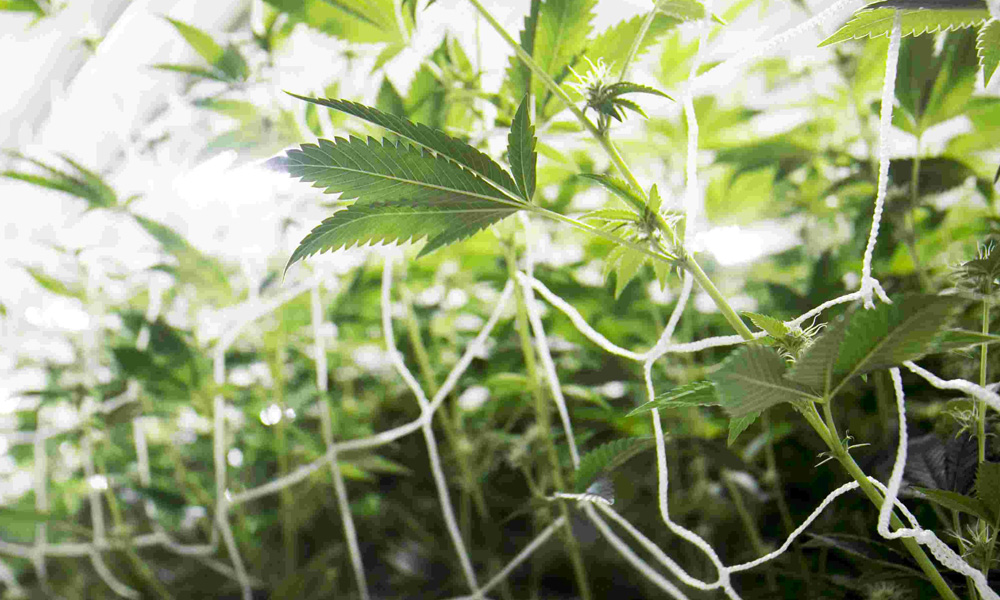
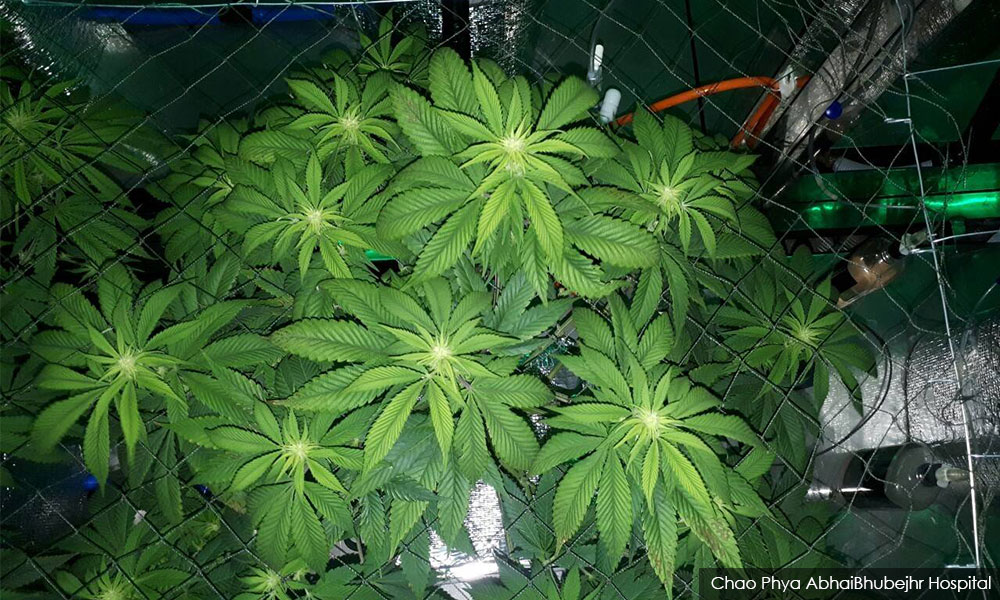
Earlier, Yasin, who rose to fame as part of the popular nasyid group Brothers, pleaded not guilty to another charge of cultivating 17 cannabis plants in pots, at the same condominium.
The plea was recorded in front of Sessions Court judge Norshila Kamaruddin.
He faces life imprisonment and no less than six lashes of the rotan, under Section 6B of the Dangerous Drugs Act.
Bail was refused for both cases, with mention set for May 18.
The deputy public prosecutor for the case is Mohammad Al Saifi and Asnawi Abu Hanipah while Yasin was represented by Mohd Yusmadi Mohamad Yusoff.
'I fear losing my mind'
Pleading to be released on bail, Yasin told the court he feared detention could exacerbate his chronic bipolar disorder.
"I have been prescribed medication but I fear my wellbeing will be affected at any time.
"I fear losing my mind, like what happened three years ago," he said.
Speaking to reporters later, Yusmadi said Yasin has been receiving treatment for bipolar disorder since 2009 and was once admitted to Chancellor Tuanku Muhriz UKM Hospital in Kuala Lumpur for the illness.

However, Yasin has not been able to access treatment since being held in remand, the lawyer said.
"The treatment is ongoing, including at another hospital. So his right to access this treatment must be ensured.
"He has to receive treatment at once. What he has experienced (during remand) is unreasonable," he said.
"We have informed the police (about the need for treatment) and the police said the matter should be raised in court."
Medical benefits of cannabis
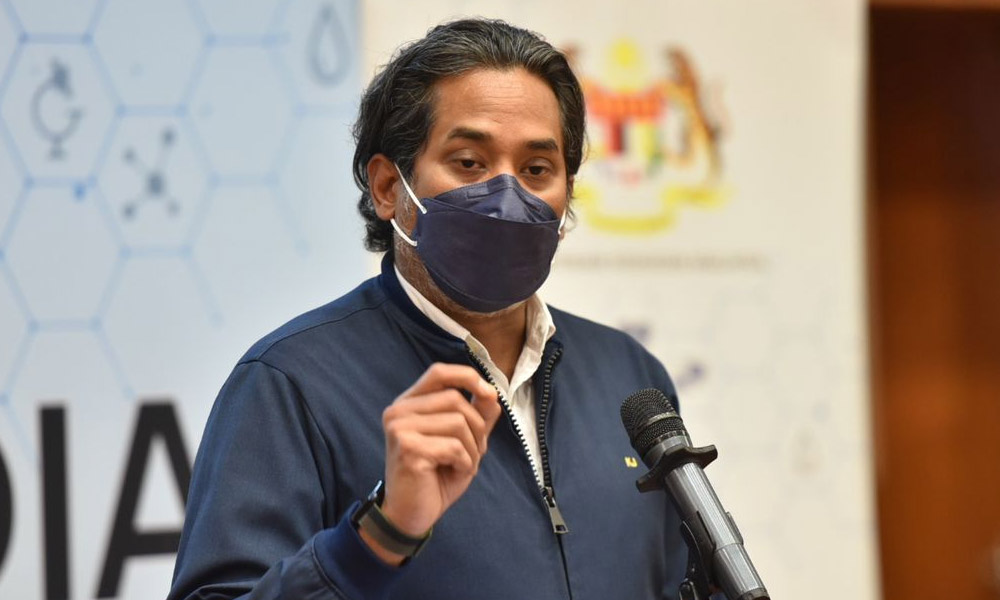
The high profile case comes after Health Minister Khairy Jamaluddin said any product containing cannabis is allowed as long as they are registered with the Drug Control Authority (DCA) and prescribed by the Control of Drugs and Cosmetics Regulations 1984.
Responding to Muar MP Syed Saddiq Syed Abdul Rahman in Parliament last November, Khairy said those with sufficient evidence of the use of cannabis for medicinal purposes can apply with the DCA for evaluation.

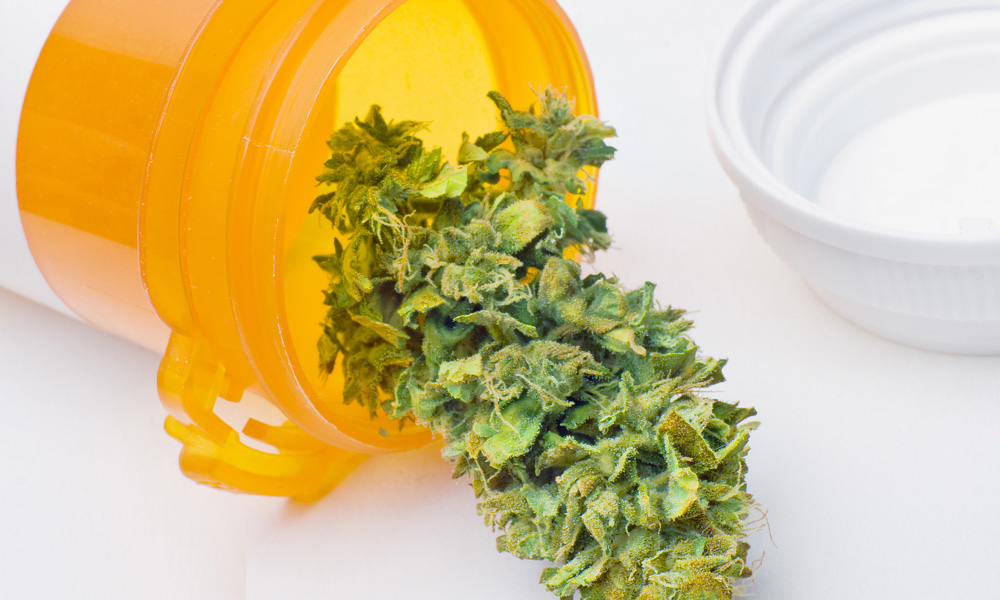
Following this, medical and law experts supported the legalisation of medical cannabis, which they said has been proven to have therapeutic qualities. However, empirical data to support such claims have been less unequivocal.
READ MORE: Medical marijuana: How does the evidence stack up?
Last year, a review by the British Medical Journal made a “weak” recommendation in favour of offering non-inhaled marijuana and its derivatives on a trial basis on patients with chronic pain, if standard medical care is not sufficient in managing the pain.
“The weak recommendation reflects a high value placed on small-to-very small improvements in self-reported pain intensity, physical functioning, and sleep quality; and willingness to accept a small-to-modest risk of mostly self-limited and transient harms,” it said.
Experts also argued Malaysia can reap economic benefits from legalising medical cannabis and the cultivation of cannabis for such purposes, including through export to parts of the United States and Europe where medical and recreational use is legal.
Law experts urged regulating cannabis under the Poisons Act instead of the Dangerous Drugs Act, and to drop charges or commute sentences of those facing or given the death penalty for using cannabis for medicinal purposes.
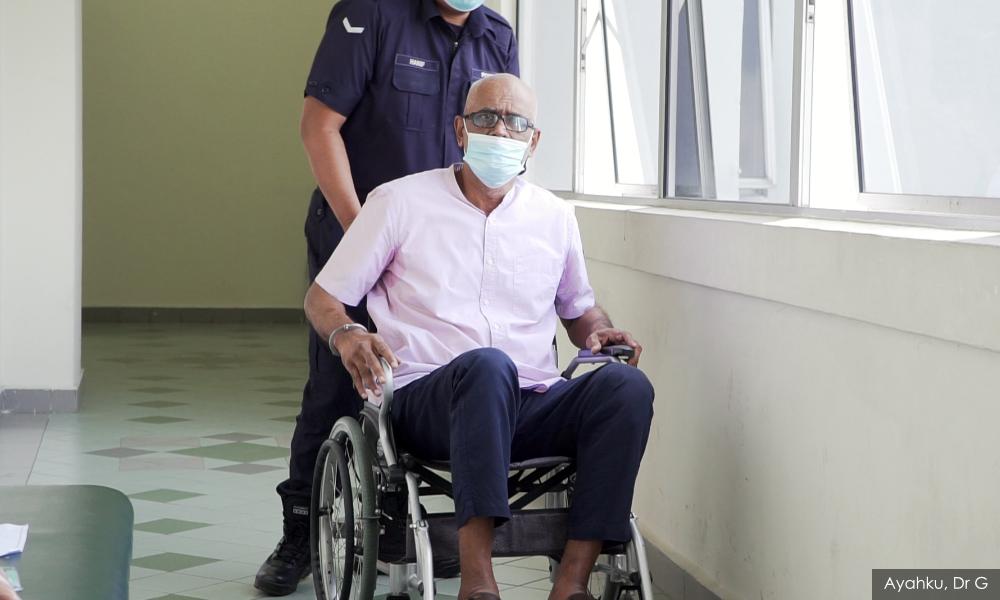
This includes the case of 'Dr Ganja', army veteran Amiruddin @ Nadarajan Abdullah, 63, who in January was told to enter his defence for charges of using cannabis to treat his cancer.
In 2020, the UN dropped cannabis and its derivatives from a list of dangerous drugs, following recommendations from the World Health Organization, but still considers it harmful and urges the criminalisation of non-medical and non-scientific uses of the drug.


Report this comment
Are you sure you want to delete this comment?
This action cannot be undone.