


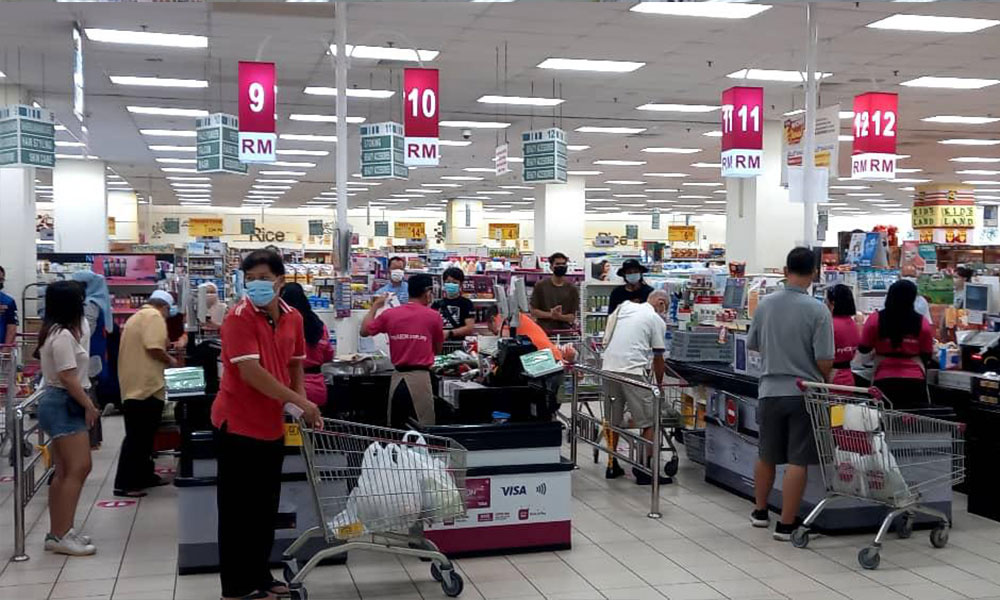

Economists disagree with reintroduction of GST
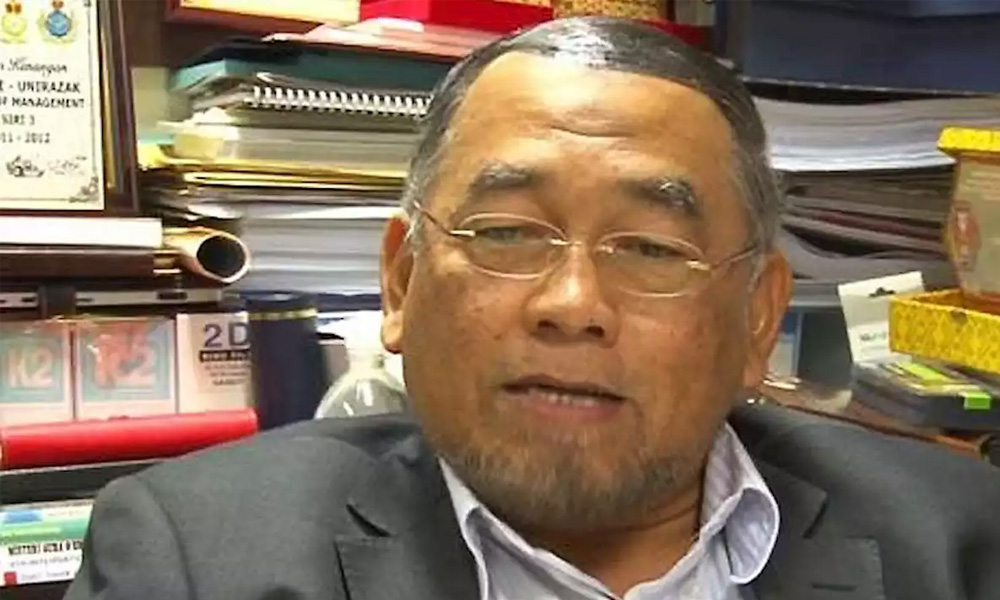
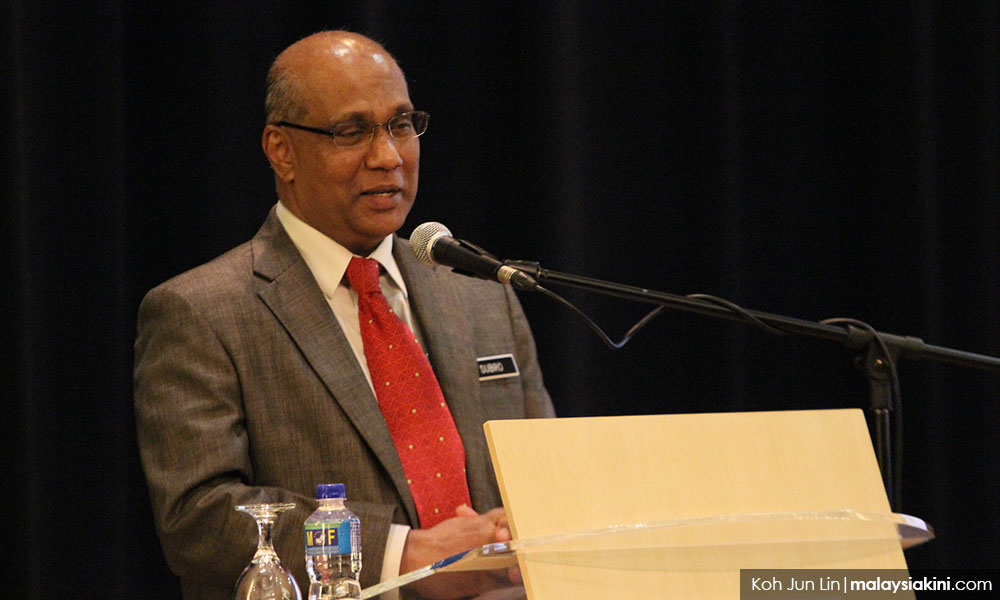
Universiti Tun Abdul Razak lecturer Barjoyai Bardai said although the tax had been implemented before, more study needs to be done on the productivity potential of the tax.
“When we want to reintroduce a tax, we have to...
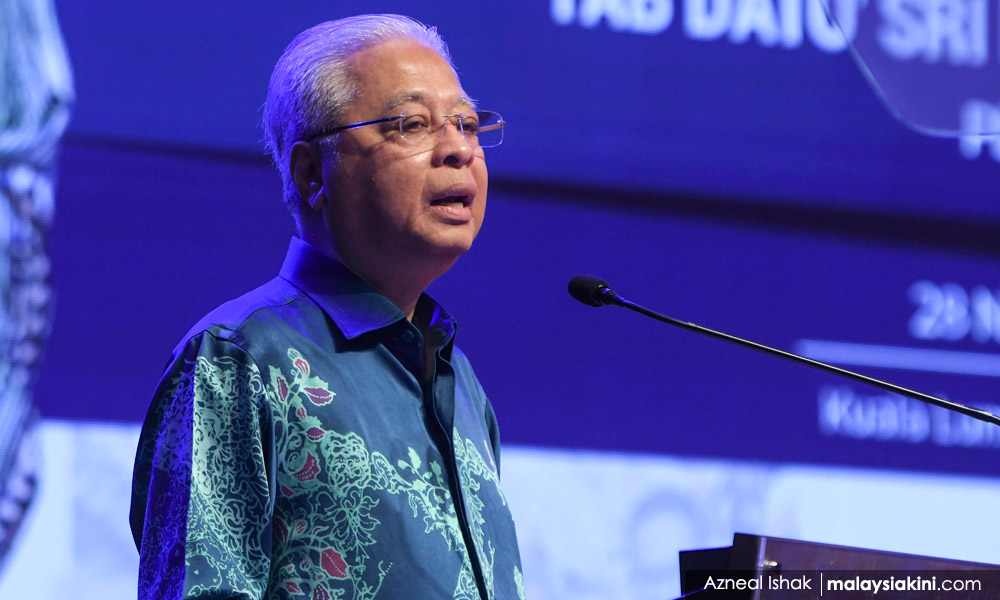
Economists disagree with Prime Minister Ismail Sabri Yaakob’s suggestion to bring back the Goods and Services Tax (GST).
Universiti Tun Abdul Razak lecturer Barjoyai Bardai said although the tax had been implemented before, more study needs to be done on the productivity potential of the tax.
“When we want to reintroduce a tax, we have to do a study or gather feedback. What are the views of the traders, the consumers and the tax administrators? All of that must be studied.
“Then, we must also do a financial study in terms of the productivity potential of this tax. Even though the GST is acknowledged as very efficient and able to achieve many things, it still depends on the situation or the environment when it was introduced.
“For example in the Philippines… it led to the resignation of its president. But in Malaysia, we have implemented it before, and admittedly it was able to generate almost RM40 billion in tax revenue.
“But, at that time, we heard a lot of complaints from consumers and taxpayers,” Barjoyai said to Malaysiakini.
He said the reintroduction of the GST will cause a regressive effect, because the tax will apply to everyone, regardless of their income.
“So, those with an income of RM10,000 to RM20,000 a month also pay six percent, while those with an income of RM500 also pay tax at the same rate.
“This is seen as so-called regressive. It is unfair because those with lower income should pay taxes at a lower rate and that is why many consumers were uneasy and felt this tax was very burdensome and oppressive,” Barjoyai said.
GST under Ismail Sabri?
The Pakatan Harapan federal government abolished the GST when it came to power after the 14th general election and returned the sales and service tax (SST).
“So there is a reason why it was abolished and replaced with the SST and we need to handle this issue, even if the tax has been proven to be successful.
“That is why I feel the government will not rush to reimplement this tax,” Barjoyai said.
Recently, Ismail Sabri said the government was interested in reintroducing the GST even though they acknowledged that this tax is not popular.
However, he said, if the GST returns, it will not be at a rate that is burdensome or too low.
The prime minister said the government lost an annual revenue of RM20 billion due to the repeal of the GST.
Elaborating further, Barjoyai said the government does not actually need to announce they intend to reintroduce the GST.
Instead, the government could have maintained the SST, but with some elements of the GST.
Weakness of the SST
“The reason why the GST system is considered efficient is due to one important thing: the GST system has solved the problem of snowboarding, which exists because the sales tax is collected at the factory level.
“So when a factory makes a sale, its customers – whether wholesalers or retailers – will have to pay sales tax and then will include that tax as part of their cost and then charge it to their customers.
“So customers are forced to pay tax but actually the tax that is paid is by the seller for products from the manufacturer.
“That is fine if it is only one stage, but the problem usually happens when the manufacturer buys from another manufacturer, then produces another item and then sells to the wholesalers and retailers.

“That means there are four levels there and when there are four levels, the tax that is paid at the first factory will become a cost to the second factory, and the tax paid by the second factory will become a cost to the wholesaler, which will then become a cost to the retailer,” he explained.
This will end up hitting consumers the hardest as they are actually paying a far higher tax than what is being collected by the Customs Department, which is the weakness of the sales tax, he said.
But if the credit system from the GST can be adapted to the SST or the current sales tax, it can prevent the snowboarding issue and it will actually cause prices to go down, Barjoyai said.
This improvement to the SST’s efficiency can be done immediately, without being announced to the public, he added.
With this, Barjoyai said, the SST tax rate can also be maintained at 10 percent for sales and six percent for services.
“We can keep the current rate but we just change it to the credit system. The credit system will avoid tax-on-tax and it will reduce prices, but this depends on the sellers’ honesty.
“And when prices go down, the government can think of raising the tax rate a little to get additional revenue,” he said.
Tax the rich
Asked if there is a need to implement methods such as taxing goods that are bad for the health or the environment, Barjoyai said it could be possible.
However, he stressed that it would be better for the government not to allow the sale of such goods in the first place.
“If we allow it to be sold and taxed, it’s as if we’re encouraging the sale of such items,” he said.
Barjoyai also suggested that the government taxes the rich or those with higher income who are not being taxed currently, instead of reintroducing the GST.
“Because, right now, the dividends received by investors from their investments are not taxed.
“Why are the dividends not being taxed while normal salary is being taxed? Isn’t this discrimination (benefiting) investors? This may be causing the investors to get richer because every year they can get dividends without being taxed,” Barjoyai added.
GST on certain items only
An economist from University College i-Cats in Kuching, Shazali Abu Mansor, said it is not a problem for the government to reintroduce the GST.
However, Shazali said, the government should only implement the tax on non-essential goods.
“We’re looking at it from two aspects, the first is that the government does need money because there are many things the government needs it for, such as subsidies here and there.
“So the government needs money in order to supplement the country’s financial shortfall and to avoid going into more debt.
“Secondly, the rakyat is not ready (for the GST) because of the dire economic situation right now.
“So if we look at the middle ground here, it is possible for the government to reintroduce GST but only for certain items. Not for essential items but only luxury goods such as golf equipment and luxury handbags,” he said.
Shazali stressed that essential goods needed by the rakyat should never be taxed, but the tax can be expanded to include other things once the economy has recovered.
According to Shazali, if the government wants to reintroduce the GST, they have to think of a mechanism that will not allow the tax to be withdrawn once again.
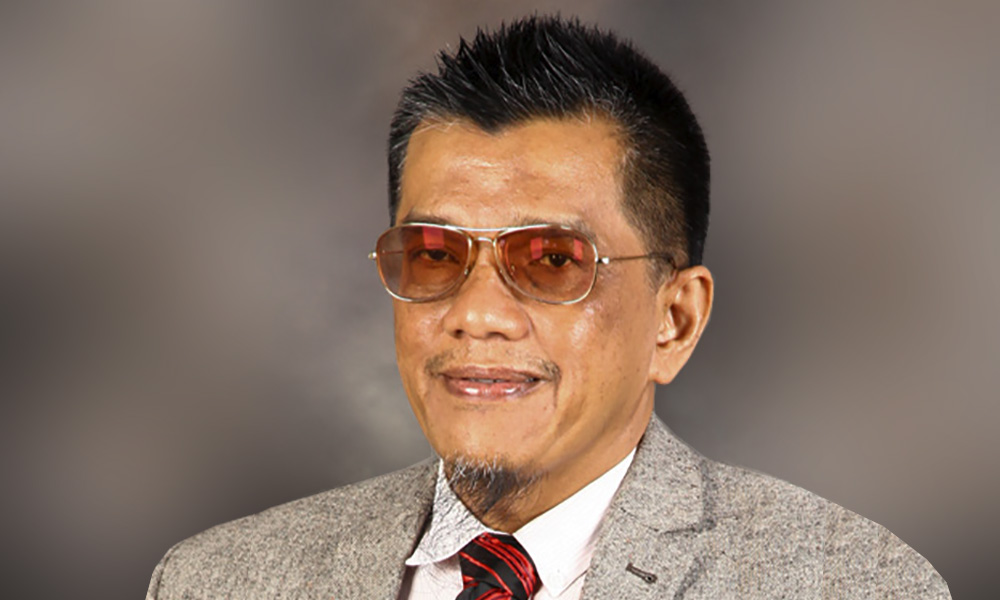
“If we want to reintroduce this, if another political party wins the next general election, they may abolish the GST again and it will become a problem.
“So if they want to do that, there must be a mechanism that will prevent it from being changed,” he said.
Shazali said though the country sorely needs more tax revenue, the government must be careful in the way it goes about it.
Unfortunately, he said, the rakyat is not prepared for the reimplementation of the GST, what with the current economic situation and rising prices of goods.
“This will incite the rakyat’s anger if it is reimplemented,” he added.
The GST was introduced in 2015 by former prime minister Najib Abdul Razak’s administration. It was extremely unpopular among the general public and was later abolished by the Harapan government when it came to power in 2018.


Report this comment
Are you sure you want to delete this comment?
This action cannot be undone.