



Mandatory death penalty: Govt expects to table abolition bill in October
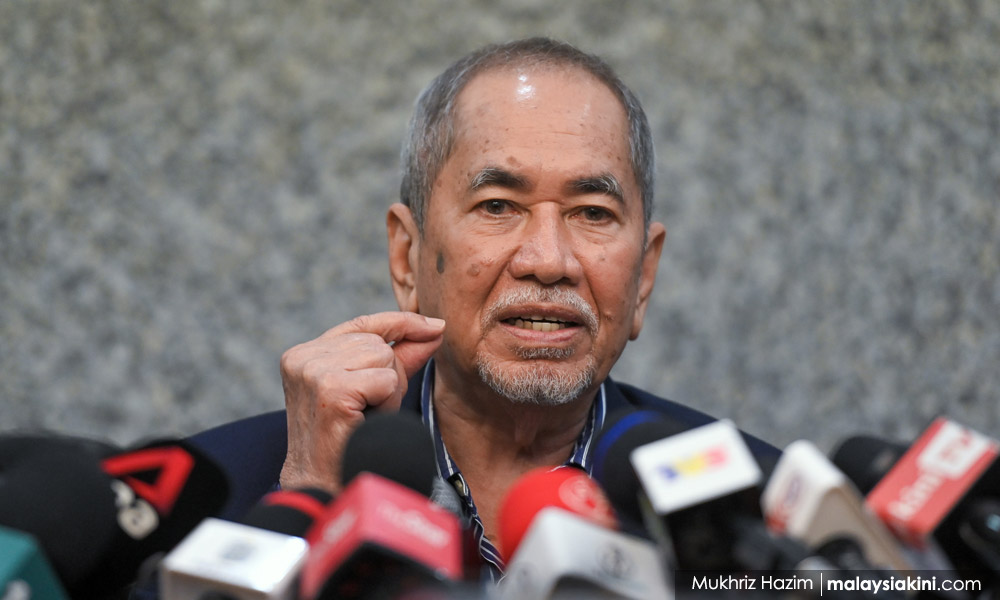
Speaking at a press conference this morning, Minister in the Prime Minister's Department (Parliament and Law) Wan Junaidi Tuanku Jaafar said that if all goes according to plan, the country will no longer have the mandatory death penalty as soon as January next year.
Wan Junaidi said the government will also conduct a...
The government expects to table the necessary amendments to abolish mandatory death sentences in 11 law provisions during a Parliament session in October.
Speaking at a press conference this morning, Minister in the Prime Minister's Department (Parliament and Law) Wan Junaidi Tuanku Jaafar said that if all goes according to plan, the country will no longer have the mandatory death penalty as soon as January next year.
Wan Junaidi said the government will also conduct a public survey to gather feedback from the rakyat on the abolition plan before taking the bill to the Dewan Rakyat for its first reading.
"If we can settle all the issues regarding amendments, we can table (in the Dewan Rakyat) what the cabinet decides on mandatory death sentence this October.
"Then by December, it can go into the Dewan Negara. And by January, the (mandatory death penalty) will be abolished in reality," he added.
Wan Junaidi called for the press conference to explain his earlier statement on Friday, where he announced that the cabinet agreed in principle to the abolition of mandatory death sentences from Malaysia's criminal law.
This comes after certain quarters mistook the decision as the government abolishing the death sentence in total, whereas it is only to take out the “mandatory” part which does not allow the court any other choice in sentencing an offender.
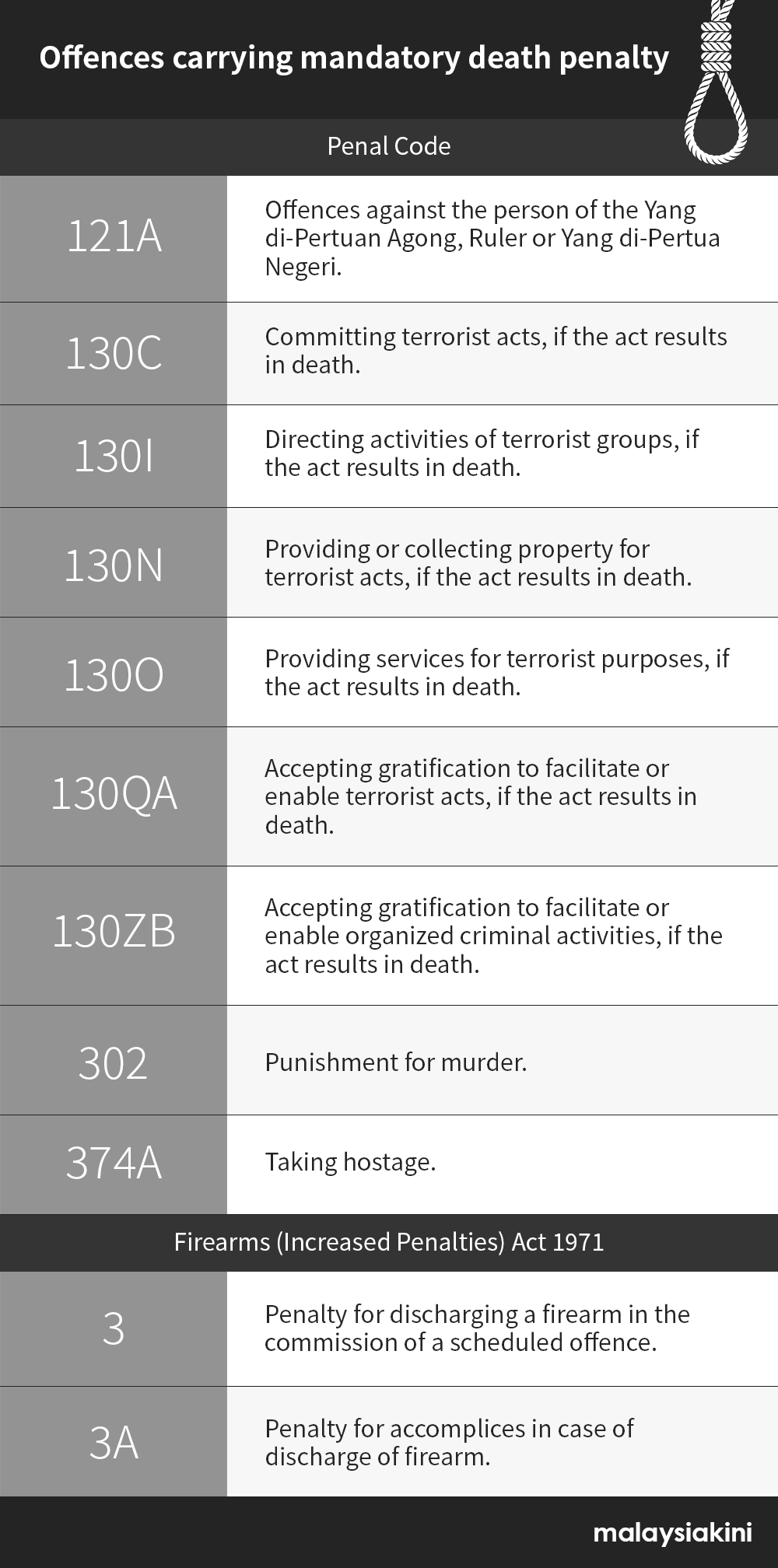
There are 11 offences that carry the mandatory death sentence. They include crimes such as murder with intent to kill, and possession of firearms.
For the remaining crimes, the punishment is at the judge's discretion.
Death sentence still exists
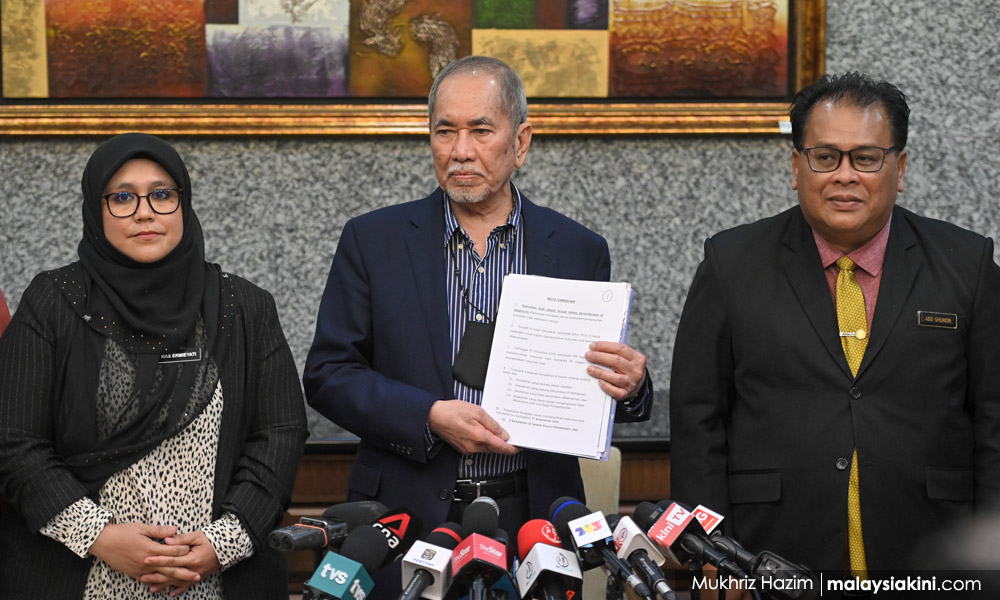
According to Wan Junaidi, the country would still have the death penalty even with the abolition of the mandatory sentence.
The difference after abolition is that judges would have the discretionary power to sentence a criminal to either death or a substitute punishment that they deem befitting the crime committed.
"There are only two acts which still have mandatory death sentences, nine of them in the Penal Code and two under the Firearms (Increased Penalty) Act.
"Meaning, when a person is charged in court under any of the provision that carries a mandatory death penalty, and the judge finds that the prosecution has proven the case beyond a reasonable doubt, the judge has no power to sentence the offender to any other punishment than death.
"The judge's hands are tied by the law (because of the mandatory provision), and he must sentence the offender to death.
"What the government decided was to abolish the mandatory death penalty and provide substitute punishments," he added.
Concerning the public survey, the minister said they would invite the public to participate and tell the government what they think about the abolition of the mandatory death penalty.
Since the announcement on Friday, Wan Junaidi said they have seen one side supporting the move while the other, including victims of crimes, opposing it.
"We want to hear input from the rakyat. From both sides, we want to hear their responses," he added.
Asked what he would do if the number of people opposing the abolition was greater than those who supported it, Wan Junaidi said he would bring the outcome of the survey to the cabinet for a decision.
However, he is optimistic that many are not in favour of tying the hands of judges from having discretion in making their decisions.
'Total disconnect' - LFL hits back at Bukit Aman statement on drug laws
Gerakan backs mandatory death penalty abolition, but not for all crimes
Govt studying retroactive effect of mandatory death penalty abolition





Are you sure you want to delete this comment?
This action cannot be undone.