




Close one eye syndrome in Ipoh?
Ipoh City Council (MBI) has been accused of applying double standards in shutting down an unlicensed operation allegedly belonging to one of its councillors.
Ipoh City Council (MBI) has been accused of applying double standards in shutting down an unlicensed operation allegedly belonging to one of its councillors.
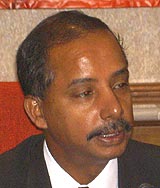 In a statement today, DAP MP for Ipoh Barat M Kula Segaran outlined the sequence of events involving the business said to be operated by Lim Huey Shan, 31, since Nov 11, 2003:
Lim, the Ipoh Barat MCA Public Services and Complaints Bureau head, was appointed councillor on Jan 8 and is serving his second year in the post.
He is also the major shareholder of Marvellous Sdn.Bhd, which is involved in the plastics business.
On July 19 last year, MBI issued a notice to the registered owner of the business located in Bercham to cease operations as it was doing so without a licence.
The owner of the premises wrote to MBI on Sept 12, explaining that he was merely the landlord and that the business was operated by Lim. Rental receipts were enclosed with the letter.
On Sept 21, MBI issued a fresh notice to Marvellous Sdn. Bhd demanding that it stops business. During a spot check last Friday, the operations were found to be continuing, but without a signboard at the premises.
"For the last three years, the business was being operated by this local councillor with total disregard of the law," Kula Segaran said.
"How and why was he allowed to get away with this, and without a licence from the MBI for so many years?"
'Documentary evidence'
Asked the status of the operations when contacted, he said the premises were closed down after he made the matter public today.
"We have very revealing facts from the landlord with documents showing that Lim has never applied for a licence since he started the business," he claimed.
 He said Lim could be charged in court and if found guilty, could be fined a maximum of RM2,000 and or be jailed for up to a year.
Kula Segaran also criticised the MBI for having dragged its feet in acting, despite having been aware of the situation all this while.
"If this was done by any ordinary individual, the MBI would have enforced the bylaws and imposed stiff penalties," he said.
"Enforcement of the law should not be based on who (the person) is. The MBI must act without fear or favour."


