


/file/publisher-c1a3f893382d2b2f8a9aa22a654d9c97/2021/01/6afa61be5e8ffa335c1a71346ec5c73e.jpg)

KINIGUIDE | What is a climate emergency and why does it matter?
KINIGUIDE | This week, Selangor Menteri Besar Amirudin Shari said the Selangor government is considering declaring a climate emergency for the state, given the impact of climate change there.
He said Selangor had, in 2019, commissioned a study on the impact of climate change in the state.
The study will be completed next year, and the data will be factored by the state on whether a climate emergency will be declared, he said.
KINIGUIDE | This week, Selangor Menteri Besar Amirudin Shari said the Selangor government is considering declaring a climate emergency for the state, given the impact of climate change there.
He said Selangor had, in 2019, commissioned a study on the impact of climate change in the state.
The study will be completed next year, and the data will be factored by the state on whether a climate emergency will be declared, he said.
If it does proceed with the declaration, Selangor will be the first government in Malaysia to make such a declaration.
In this KiniGuide, we look at what is a climate emergency, what it means for a government to declare a climate emergency and why it matters.

What is a climate emergency?
In 2019, Oxford Dictionary declared “climate emergency” as its Word Of The Year due to its spike in usage by 10,000 percent compared to the year before.
The dictionary defines it as “a situation in which urgent action is required to reduce or halt climate change and avoid potentially irreversible environmental damage resulting from it”.
This accepts scientific research that the rapid warming of the planet is real, is caused by human activities and has a severe impact on human life and biodiversity.
What is a climate emergency declaration and why does it matter?
Taken at the local or national government level, such a declaration is accompanied by setting priorities to mitigate and adapt to climate change, thus forming and implementing policy and allocating funds towards this.
As such, those pushing for climate emergency declarations believe that such declarations could focus government action against climate change.
Who has declared a climate emergency?
In 2016, the Darebin Council in Melbourne, Australia became the first ever government to declare a climate emergency, following sustained efforts by grassroots climate action movements.
In April 2019, the Welsh government became the first national government to make such a declaration, with its Parliament being the first to pass such a declaration the next month.
Since then, more than 2,100 local governments in 39 countries have made such declarations, affecting more than a billion residents.
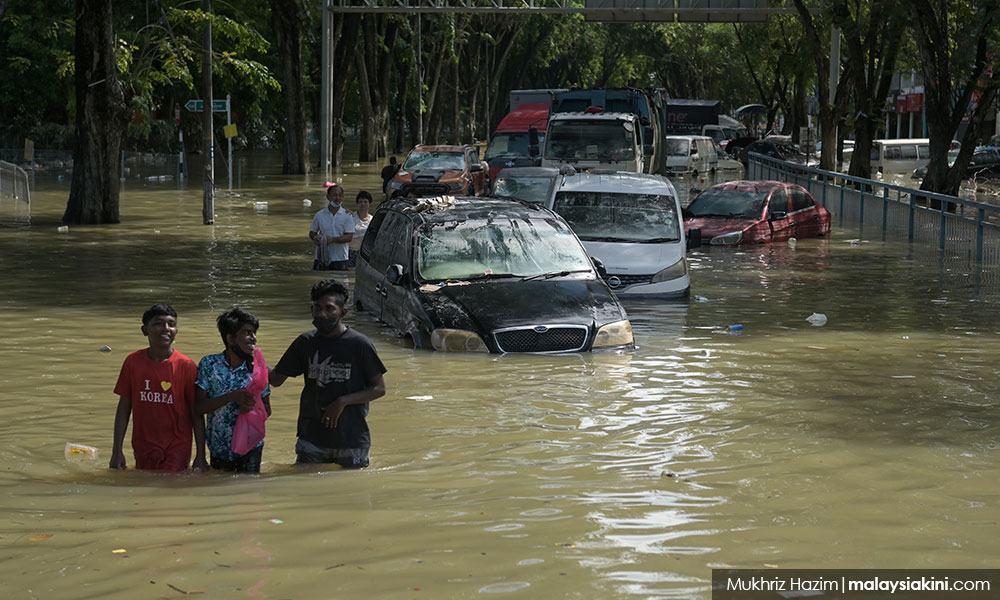
Most of the governments that have declared climate emergency are in the Global North.
In Asia, governments who have made such declarations are the governments of Bangladesh, Japan, South Korea and Singapore.
The declarations need not use the same terminology. In Bangladesh, for example, the term used in the declaration by Parliament in 2019 was “Planetary Emergency”.
In February last year, Singapore’s Parliament passed the declaration: "That this House acknowledges that climate change is a global emergency and a threat to mankind."
READ MORE: When the water rises: A Malaysian climate change story
What has happened in places where a climate emergency was declared?
Various countries which have declared a climate emergency have followed up with specific policies to combat climate change or adapt to its impact.
For example, in New Zealand this year, the government allocated NZ$2.9 billion (RM7.8 billion) to the Climate Emergency Response Fund.
The funds are allocated to measures including reducing industrial emissions, funding for a vehicle scrap and replace scheme for low-income citizens and subsidies to encourage the uptake of greener agricultural technologies.
It also translates to policy shifts within various sections of the public sector, like in Wales, where the National Health Service has launched a decarbonisation plan, which includes how to reduce plastic waste in healthcare.
What will this look like in Malaysia?
In March, the advocacy group Gabungan Darurat Iklim Malaysia sent a letter to the federal government, demanding that a climate emergency be declared by tomorrow (Sept 16) and outlining what it should look like in Malaysia.
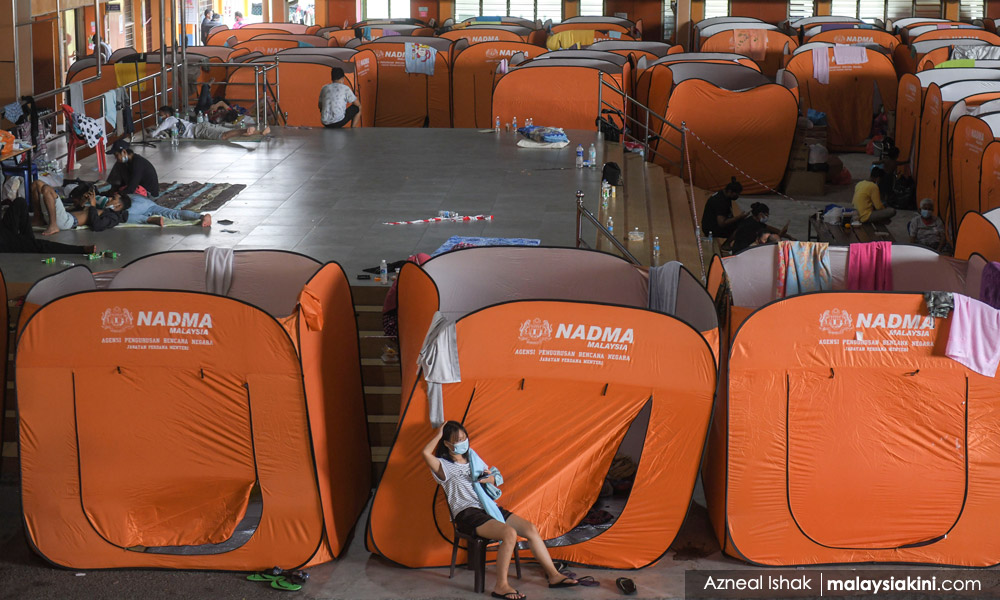
Among others, it said the declaration should be accompanied by clear plans on how to monitor and reduce carbon emissions, build community resilience and prioritise environmental protection at all levels of the government.
It should also include safeguards against greenwashing, and key measurables for mitigation and adaptation measures for each ministry, outlined within the federal budget.
"A Climate Emergency Declaration must demand an absolute commitment to climate action by the Prime Minister’s Office, making mitigation and adaptation/resilience targets mandatory, with biennial reviews and updated plans made every three to five years, led/executed by the ministry in charge of climate action.
"This will necessitate the institution of laws and protocols with strict enforcement regulations, as well as compliance with relevant international agreements that support the principle of the planet and people first," it said in the letter.
Is the federal government going to declare a climate emergency?
No. Environment and Water Minister Tuan Ibrahim Tuan Man said the government believes it is already taking measures to mitigate and adapt to climate change, without the need for a declaration of climate emergency.
For example, he said, the government has already allocated billions of ringgit for flood mitigation projects nationwide and is committed to measures to reduce greenhouse gases, to achieve net zero by 2050.

Net-zero means cutting greenhouse gas emissions to as close as zero as possible, with the remaining re-absorbed from the atmosphere by forests or oceans.
He said the government already has a high-level committee on climate change chaired by the prime minister and is drafting a Climate Change Bill and the National Climate Change Adaptation Plans.
Can Selangor declare a climate emergency if the federal government does not?
Yes, in many countries, local councils and state governments have declared climate emergencies in their local jurisdictions, without the need to wait for federal action.
In the US, 24 towns and one state have declared climate emergencies, but last July, US President Joe Biden stopped short of making the same declaration for the country, despite saying climate change is a threat to human existence.
Selangor may also want to declare a climate emergency on its own given the impact already felt in many parts of the state, including its coastal settlements which are hit hard by climate change-driven sea level rise.
Klang MP Charles Santiago, whose constituency is among the worst hit in the state, believes such a declaration could allow the state to allocate more funding to make more systemic changes to adapt to climate change.
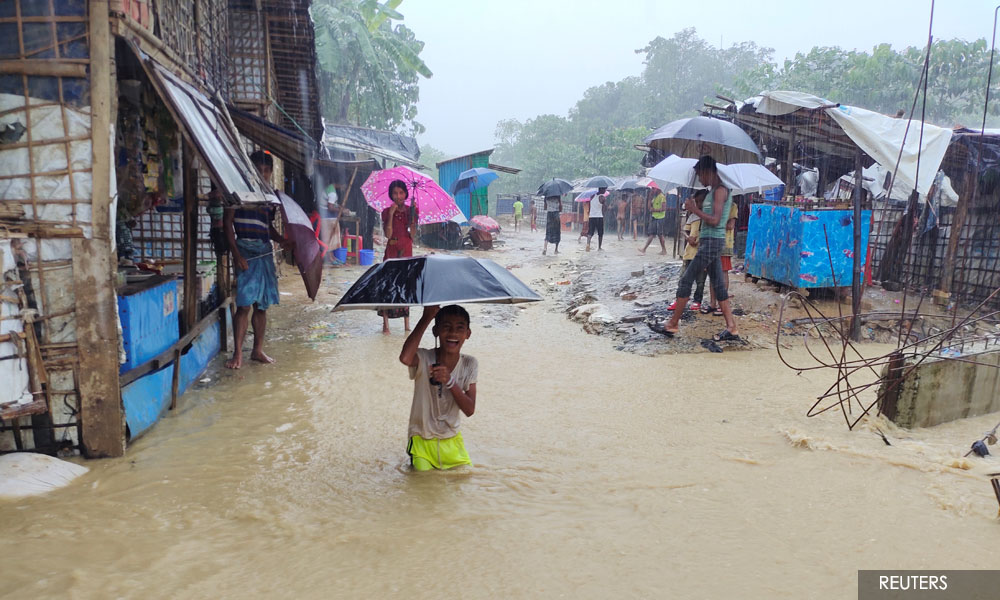
Where will the money come from?
The size of funds allocated to climate emergency response in countries which have declared a climate emergency shows a lot of money is needed - something some policymakers believe Malaysia cannot afford.
However, advocates have questioned why Malaysia is not fully accessing climate finance allocated by developed nations for developing countries as part of the various international treaties on climate change.
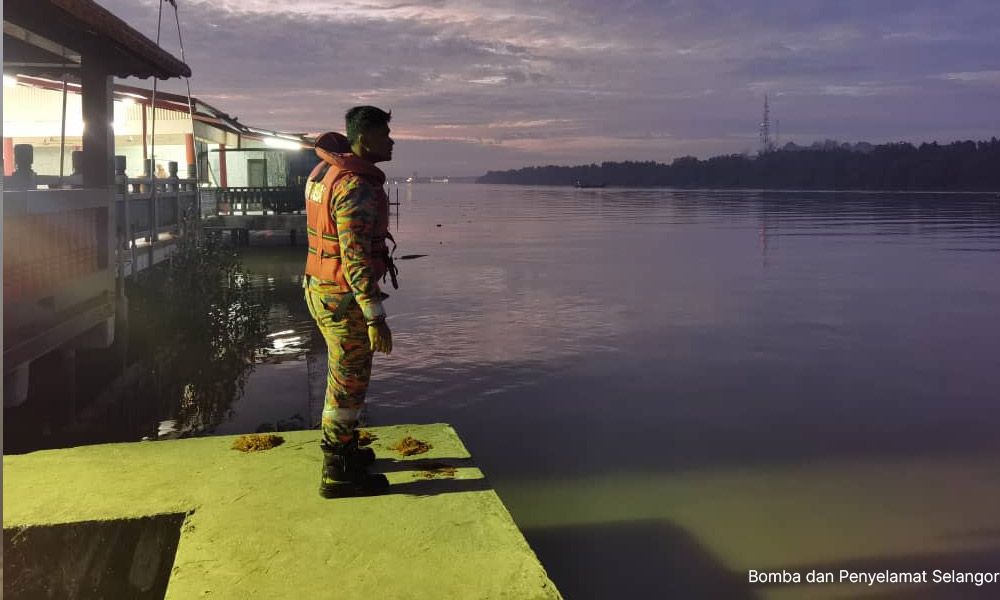
For example, US$10.8 billion (RM48.8 billion) has been committed to the Green Climate Fund, a result of the Paris Agreement. It is the world’s largest climate fund and is mandated to help developing countries deal with climate change.
Among others, the Global Environment Facility (GEF) has provided US$33.9 million (RM180 million) to Thailand to improve water management in agriculture in the Chao Phraya basin, while Indonesia received US$103.8 million (RM469.8 million) for forest management.
Malaysia, too, has received some funding from GEF, in a multi-country project, to support low-emissions investments.
Funding also is not only for federal governments.
In 2020, the Penang Island City Council (MBPP) and Khazanah Nasional’s urban development unit Think City received US$10 million (RM45.2 million) from another fund - the World Bank Adaptation Fund - for a project on managing heat and flooding on the island.
/file/publisher-c1a3f893382d2b2f8a9aa22a654d9c97/2021/12/cc7bcd7e6df2458b00fc98fd6a5ff425.jpg)
/file/publisher-c1a3f893382d2b2f8a9aa22a654d9c97/2022/07/fc038aa2dd9f2e41a963014d559bc0b9.jpg)
/file/publisher-c1a3f893382d2b2f8a9aa22a654d9c97/2022/09/7e163beac304de11799e34ea369e6824.jpg)
/file/publisher-c1a3f893382d2b2f8a9aa22a654d9c97/2021/12/b49bd63fb762322098e9d1b42f44a225.jpg)


Are you sure you want to delete this comment?
This action cannot be undone.