


/file/publisher-c1a3f893382d2b2f8a9aa22a654d9c97/2023/09/6a45d58932736871d96a4161e7d21829.jpg)

Diversity-driven 'keretapi sarong' ploughs through conservatism: Don
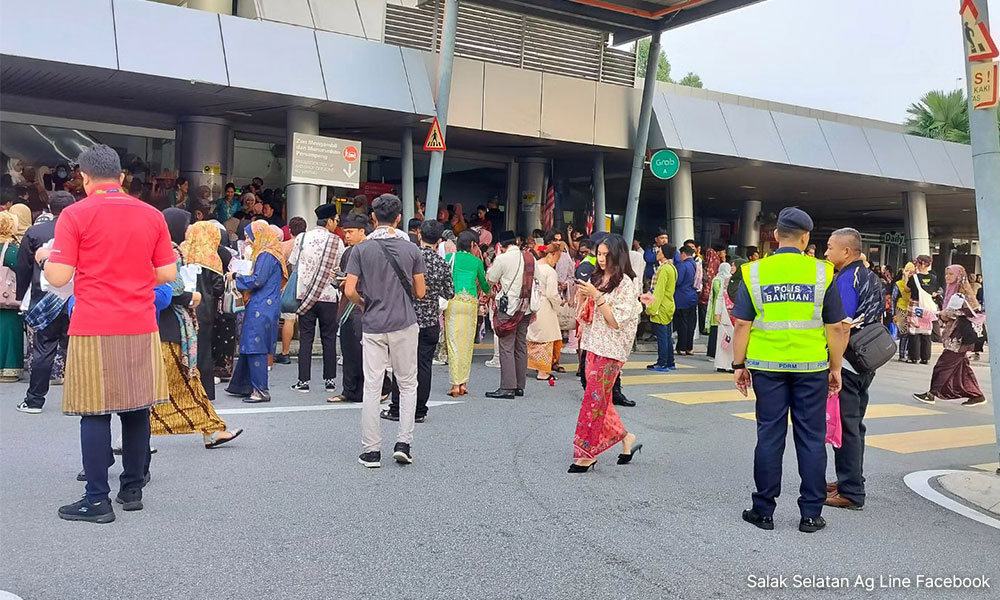
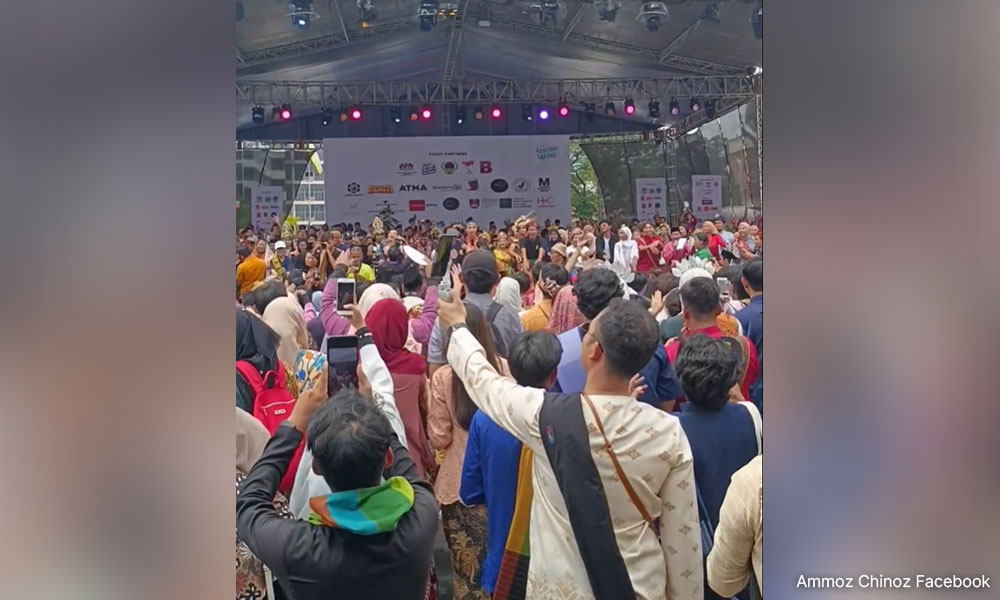
An academic cited the “Keretapi Sarong” event at Dataran Merdeka on Sept 16 to show that not all Malaysians supported the rise of conservatism.
The event drew more than 10,000 people of various races and faiths.
Therefore, Hew Wai Weng believes while right-wing forces are on the rise, it does not mean that all Malays, especially the younger generation, who are said to favour PN, are on...
An academic cited the “Keretapi Sarong” event at Dataran Merdeka on Sept 16 to show that not all Malaysians supported the rise of conservatism.
The event drew more than 10,000 people of various races and faiths.
Therefore, Hew Wai Weng believes while right-wing forces are on the rise, it does not mean that all Malays, especially the younger generation, who are said to favour Perikatan Nasional, are on the same page.
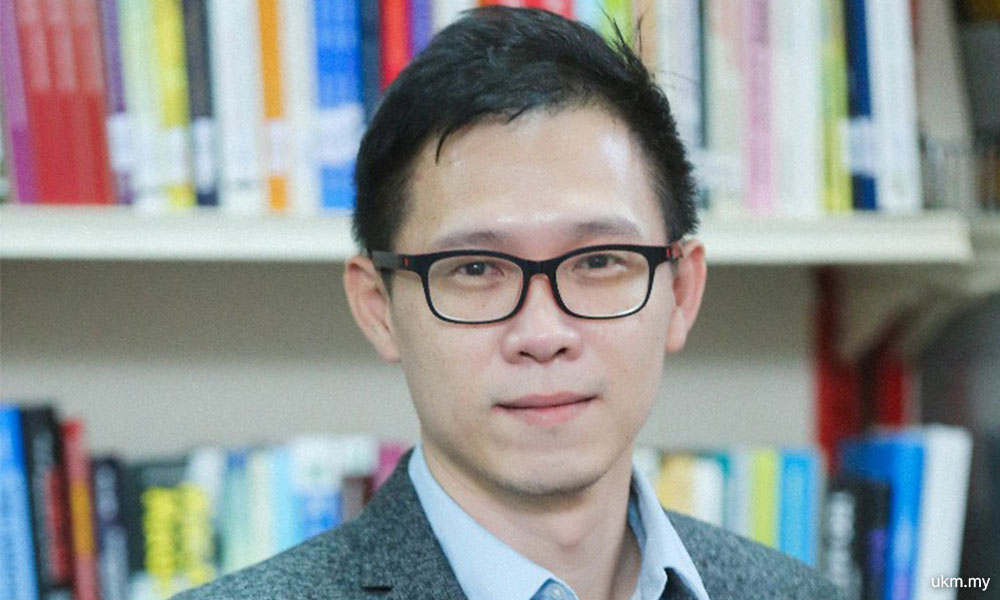
"Not all young Malays are voting, supporting or accepting this overly conservative religious doctrine and exclusive racialism," said the research fellow at the Institute of Malaysian and International Studies, Universiti Kebangsaan Malaysia.
Hew also noted how Malay youths in ethnic costumes at the “Keretapi Sarong” event did not segregate themselves according to sex.
"The participants of 'Keretapi Sarong' do not need to issue media statements or hold press conferences; they expressed their views through dance.
"They expressed different views regarding the measures implemented by PAS and the conservatives," he told a forum at the Kuala Lumpur and Selangor Chinese Assembly Hall (KLSCAH) 100th anniversary.
Praising the “Keretapi Sarong” participants, Hew said they showed how Malay culture could be inclusive and celebrated.
"When the conservative wave is rising, these young people provide us with hope. Many Malaysians continue to pursue diversity,” he added.
Deconstructing the rise of conservatism, Hew said there are various factors that involve race, religion, class and politics.
"We need to be aware that right-wing figures are not just politicians but also NGOs, evangelists, scholars, opinion leaders and internet celebrities," he added.
According to him, these right-wing figures “exploited the crisis feelings of the Malays” in their call for them to unite against external foes and this emotionally charged stratagem favoured PN.
To stem the rise of conservatism, Hew called on the Chinese community to engage in dialogues with moderate and centrist Islamic organisations to find common ground and to emphasise the need for progressive voices to come together.
Governments change, Malaysia stagnant
Phoon Wing Keong, who was also a panellist at the forum, said while Malaysia witnessed different politicians and coalitions at the helm, economic and social transformations continue to remain elusive.
"We are still stuck as an ‘old country’... We are still entangled in issues related to race and religion, which means our society has not transformed,” he added.

Phoon, who is the deputy chairperson of the Development Committee Centre for Malaysian Chinese Studies, said Malaysia requires a new “national character or spirit”.
"We need a different social consensus from the past and a social spirit," he added, pointing out that new administration tends to replicate and adhere to the logic of the “old nation”.
Phoon also corrected the misconception that a “new nation” meant upending the current framework.
He explained that the “new character” should be reflected in institutional reforms, economic performance as well as in a new consensus within the political community.
Phoon stressed that institutional reforms must take precedence in a democratic transition but pointed out that the changes should be substantial and not superficial.
In other words, he said it “should declare the arrival of a new era and spirit, leading to the fading of old power alliances and outdated models”.
Sharing his views on the Pakatan Harapan-BN coalition government, the academic said the will to build a new nation is absent.
Phoon said without implementing institutional reforms and shaping a “new cultural value”, the efforts undertaken at present with regard to the democratic transition of Malaysia would be in vain.
/file/publisher-c1a3f893382d2b2f8a9aa22a654d9c97/2020/07/ab252e041671fc142719cb89b33d094f.jpg)
/file/publisher-c1a3f893382d2b2f8a9aa22a654d9c97/2023/01/4b9e76310fe3d7d985ddb0d8bfaef065.jpg)
/file/publisher-c1a3f893382d2b2f8a9aa22a654d9c97/2023/09/19cc62754d834eff2986f156c567625e.jpg)
/file/publisher-c1a3f893382d2b2f8a9aa22a654d9c97/2023/09/15f05e07fec8bd42dbe9c0d064459e0f.jpg)
/file/publisher-c1a3f893382d2b2f8a9aa22a654d9c97/2023/09/b00c29c53cfd549be4dc05d7fb351259.jpg)


Are you sure you want to delete this comment?
This action cannot be undone.